Cable Locators Cable Locators

Cable Locators

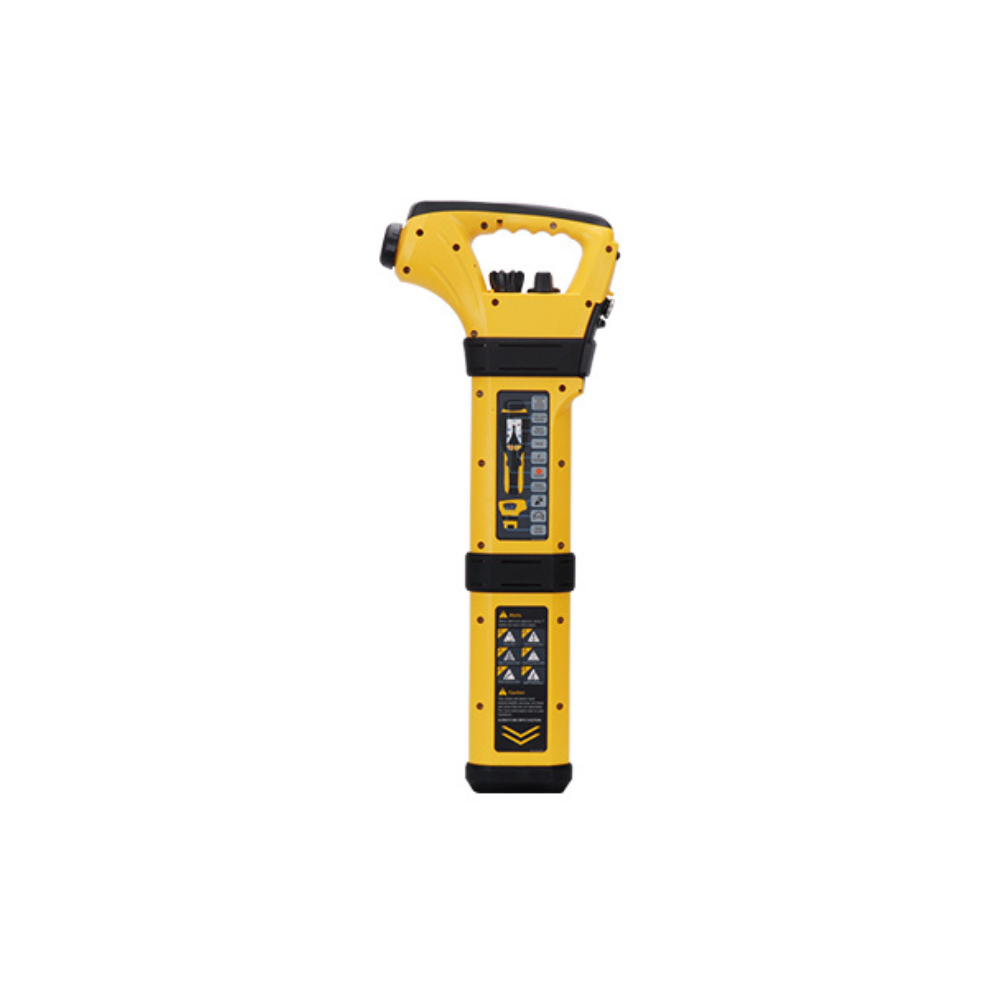
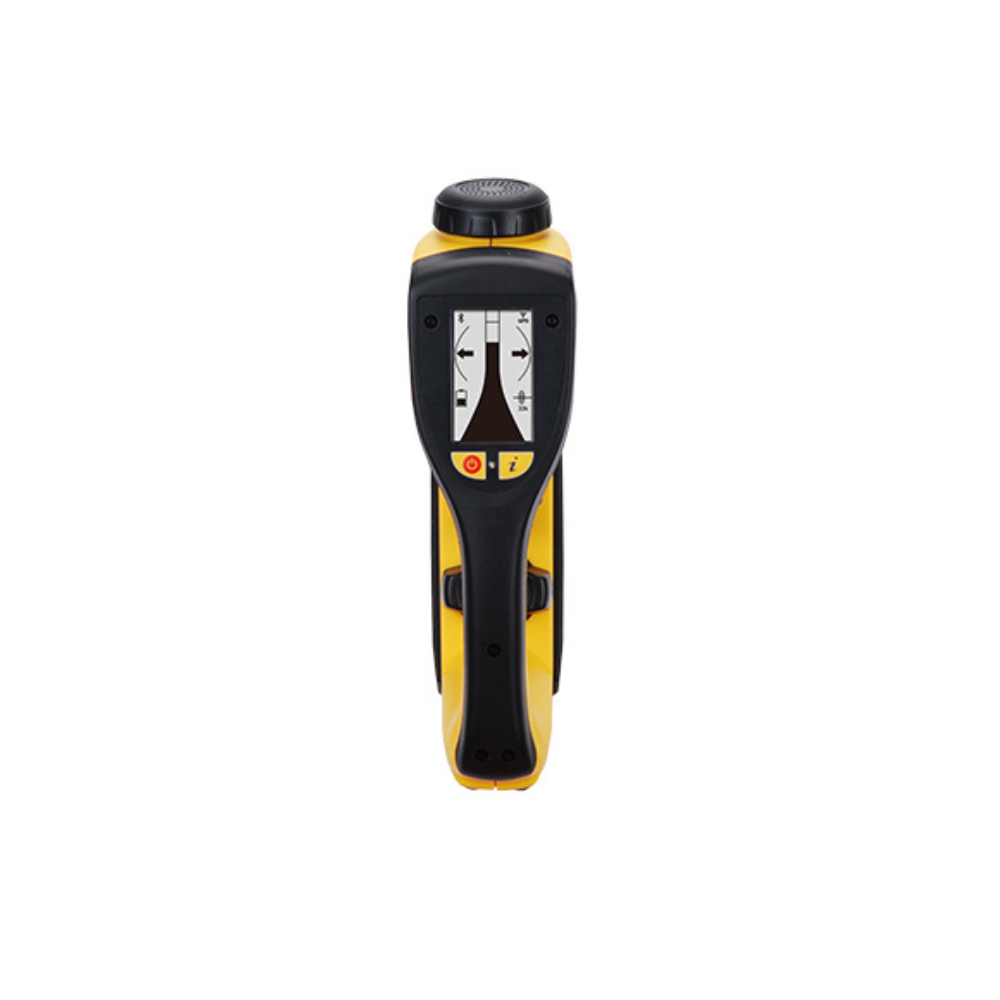
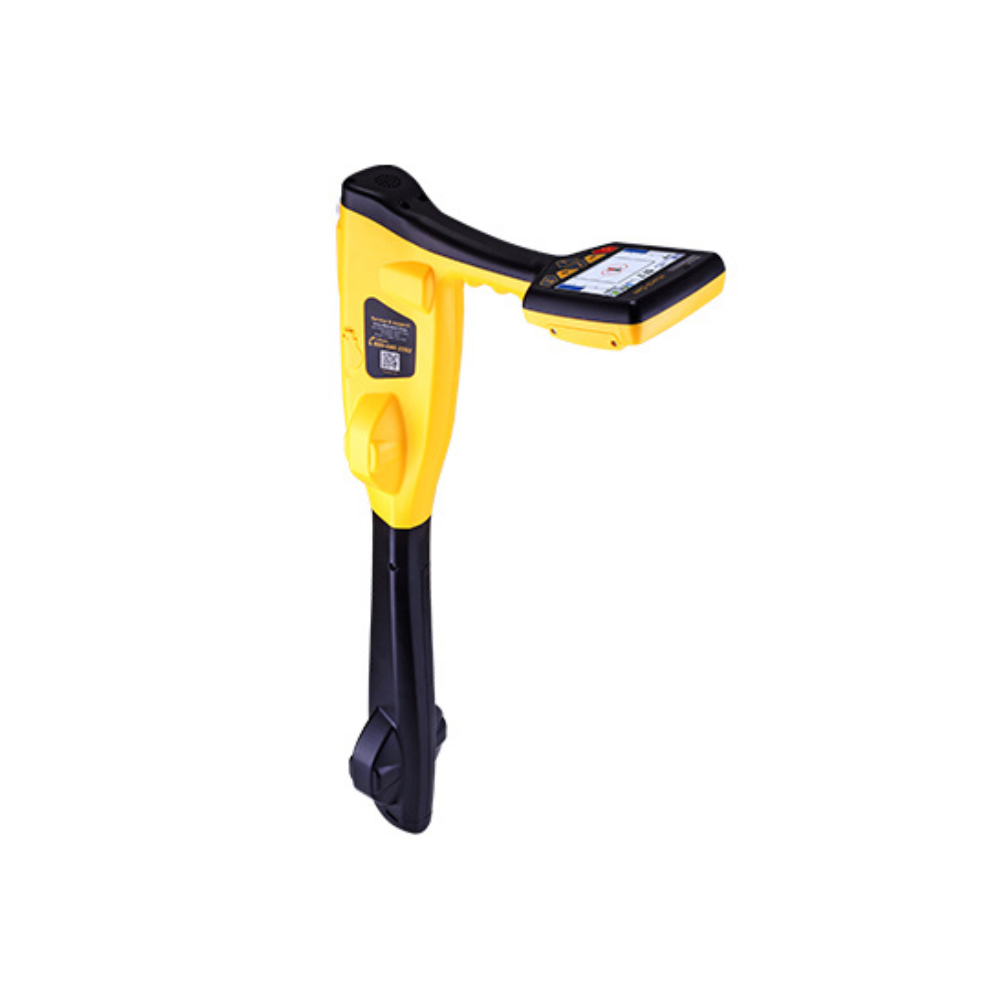
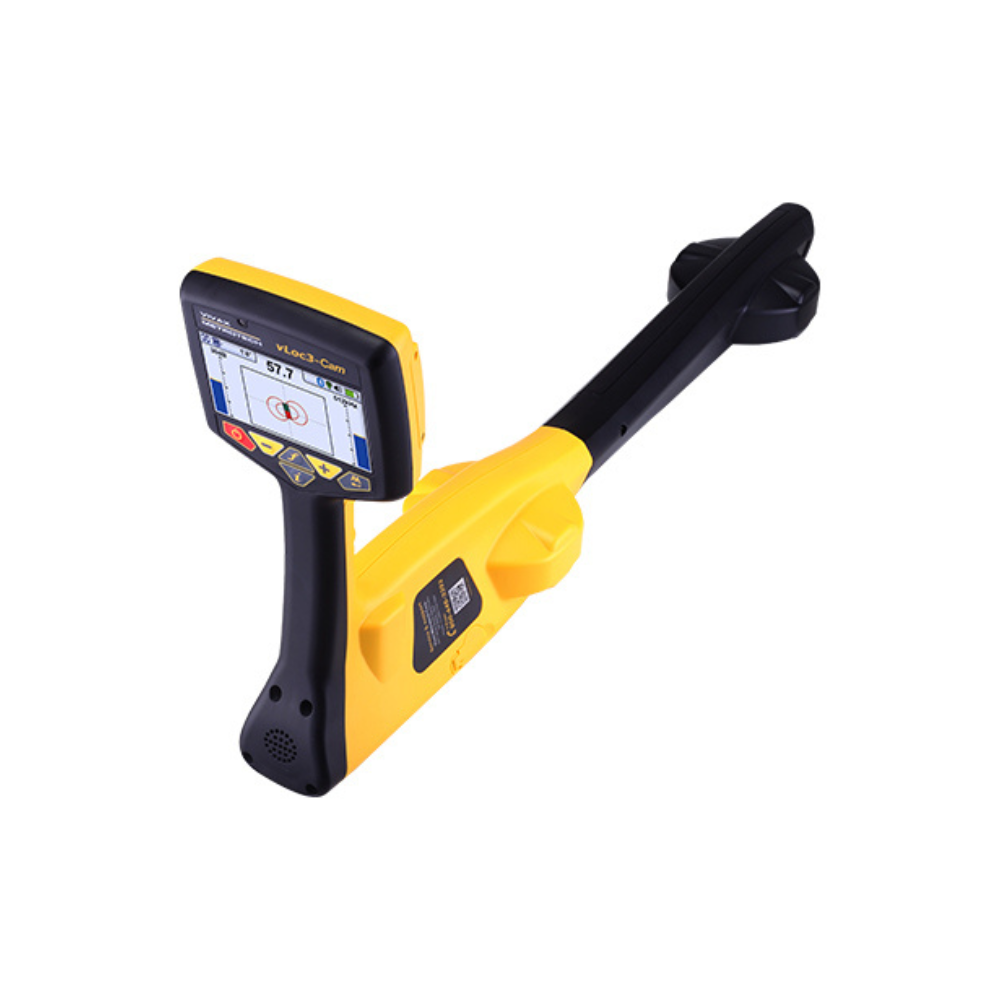
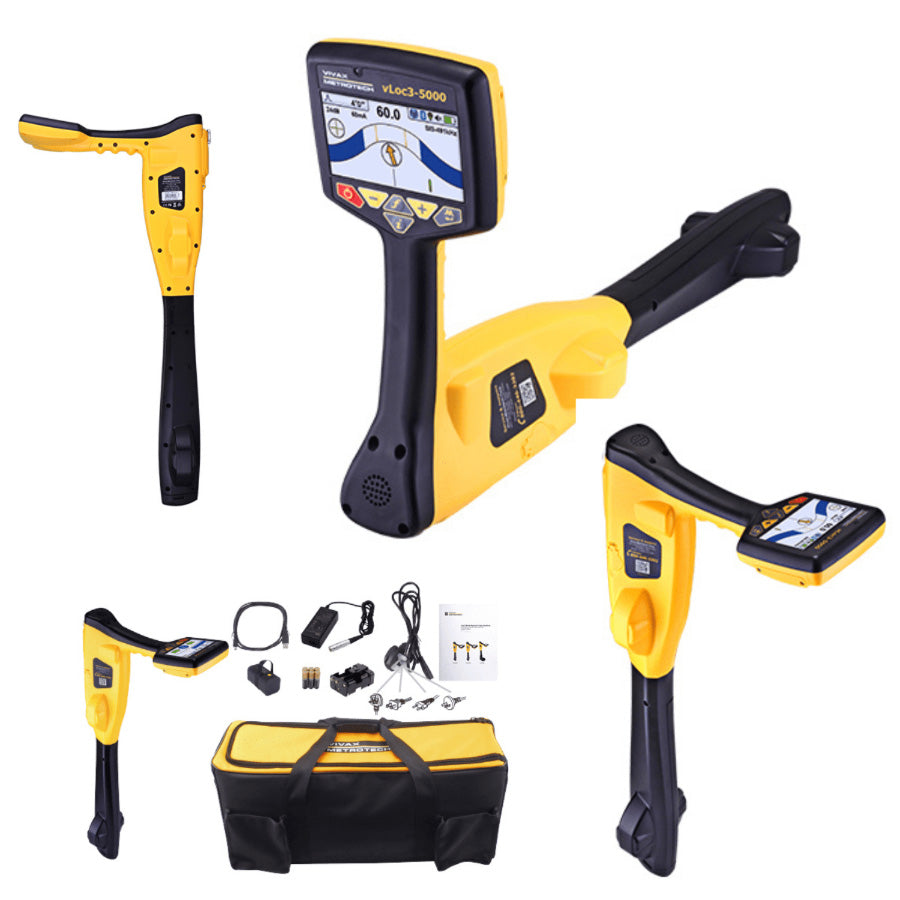
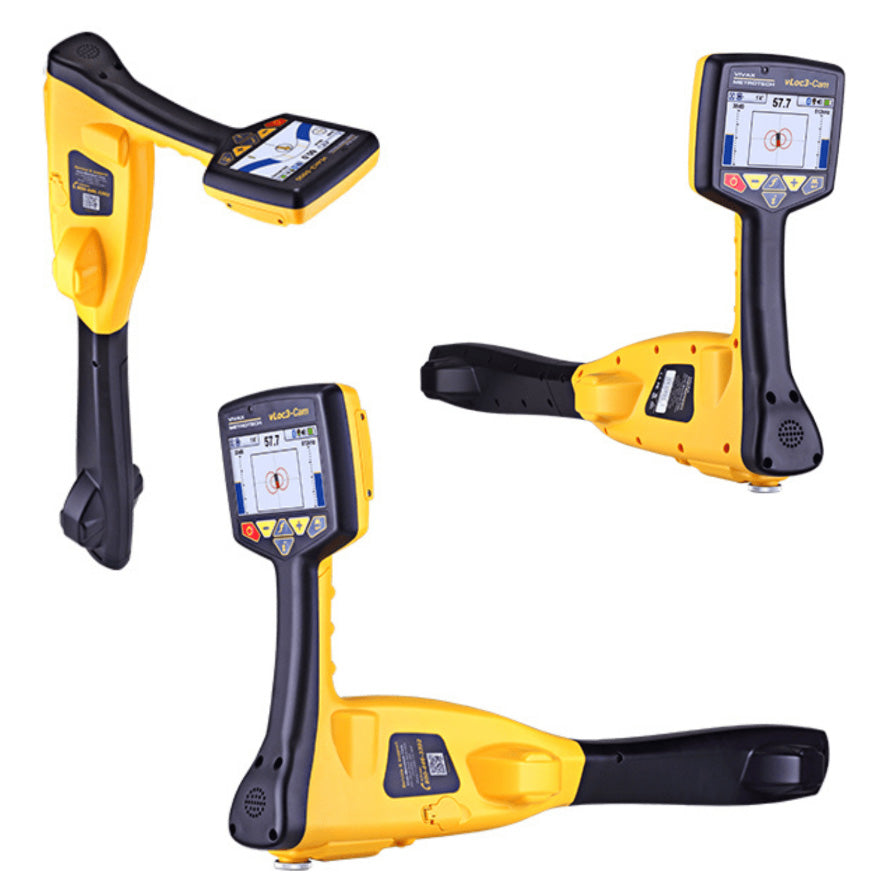
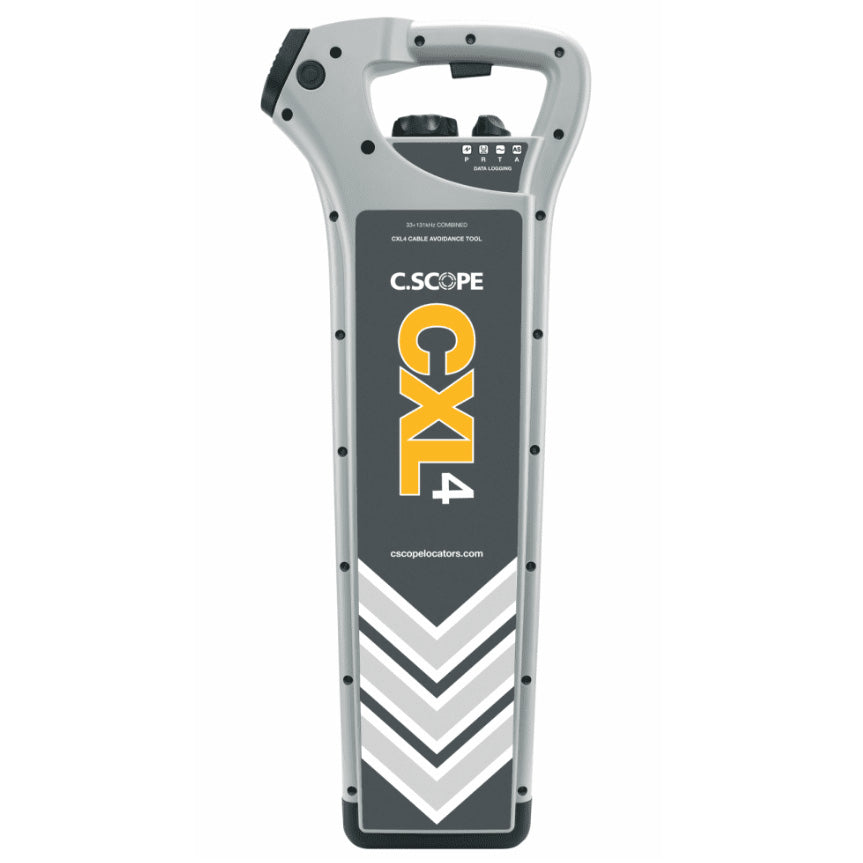
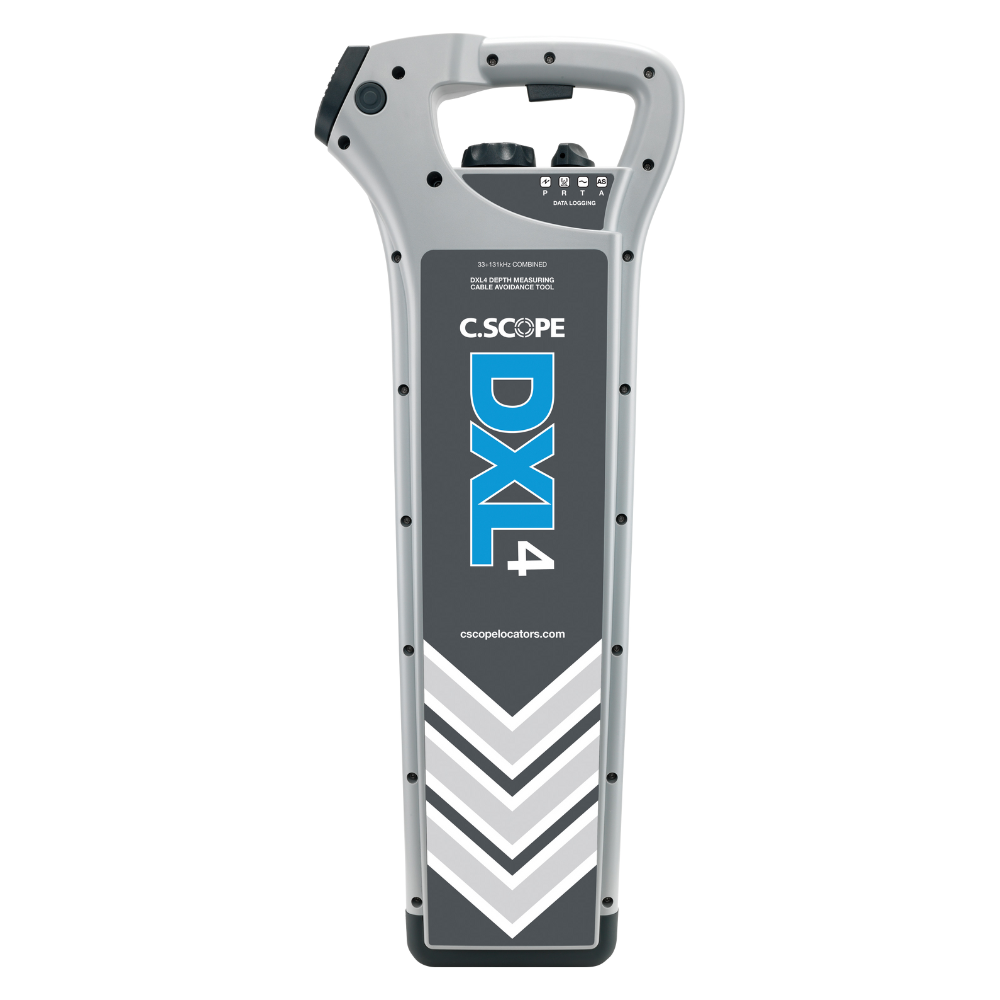
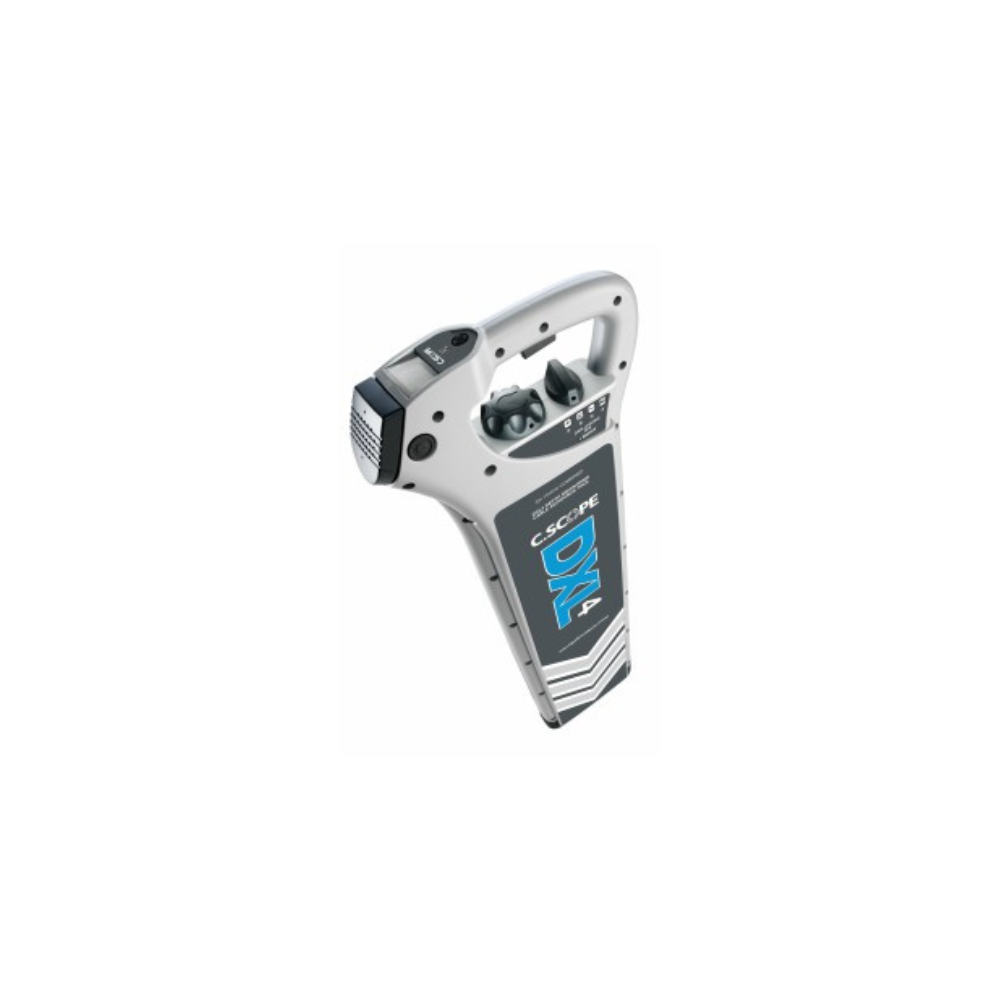
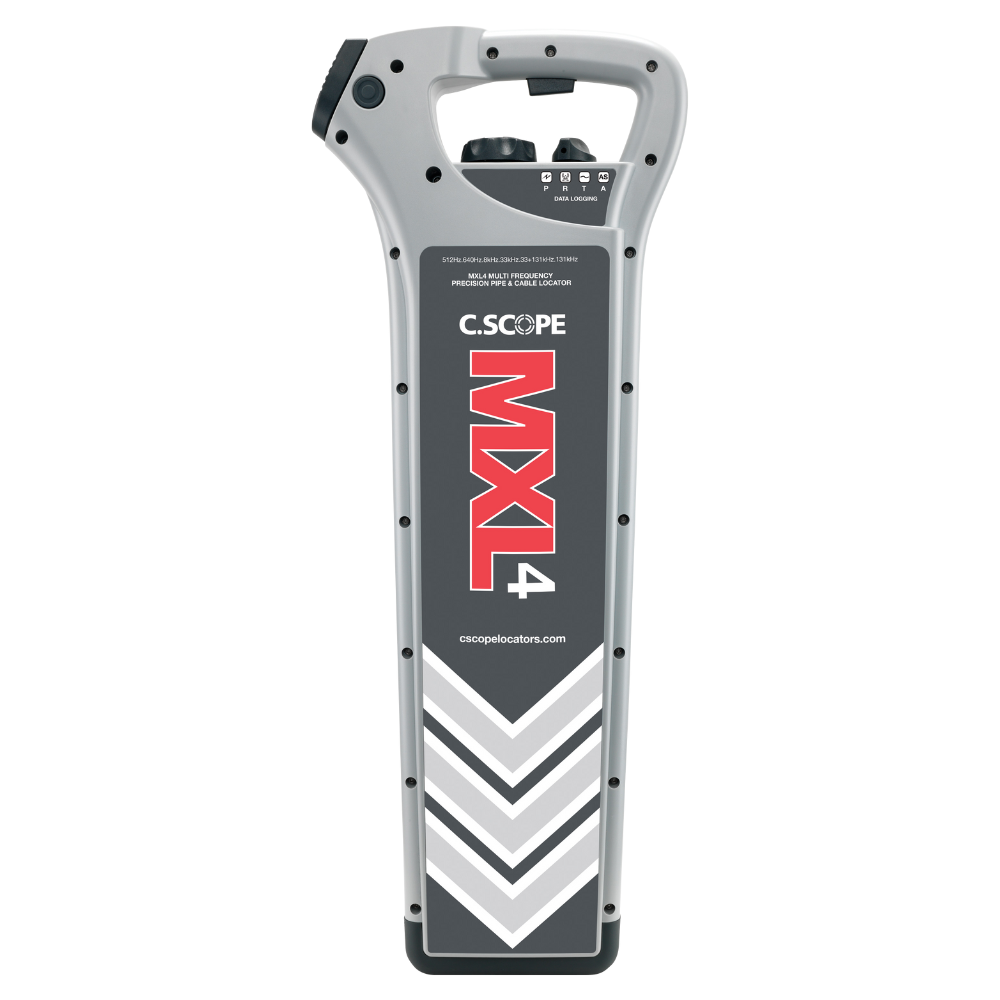
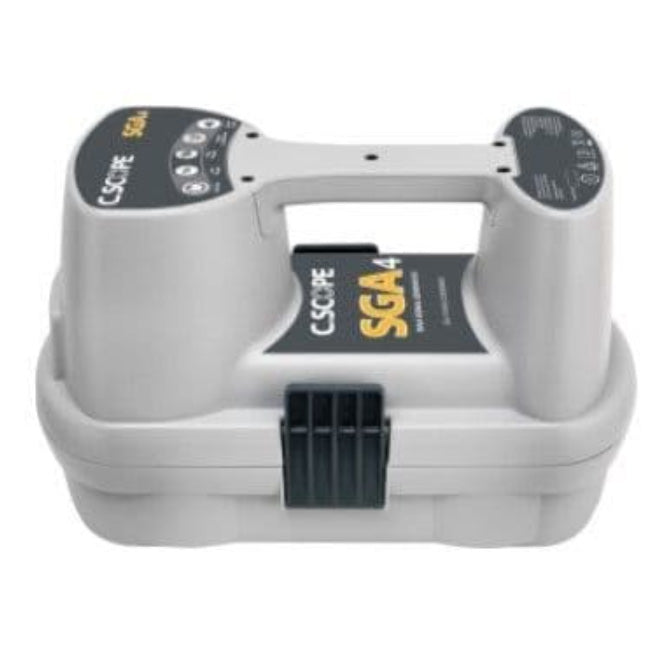
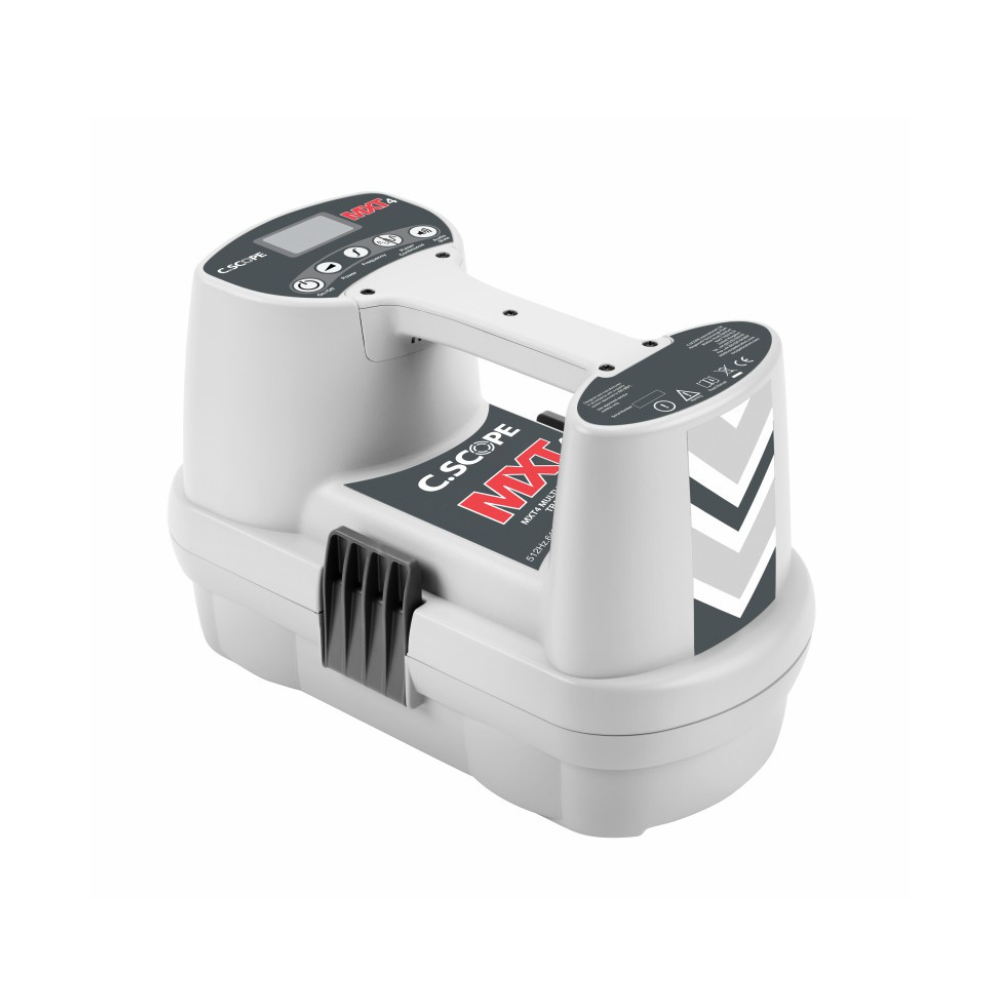
At Independent Surveying Supplies Ltd, our cable locator range includes cable avoidance tools, signal generators, transmitters, sondes and tracing accessories from C.Scope, Radiodetection and Vivax Metrotech.

These systems are used to locate and trace underground cables, conductive pipes and other buried services before excavation, drilling and groundworks begin.


31 products
31 products
Sort by:
  • Featured
  • Most relevant
  • Best selling
  • Alphabetically, A-Z
  • Alphabetically, Z-A
  • Price, low to high
  • Price, high to low
  • Date, old to new
  • Date, new to old

Choosing the Right Cable Locator

The right cable locator depends on the type of services you need to find and how detailed the tracing work needs to be.

For routine avoidance checks before excavation, a standard cable avoidance tool may be enough. For more involved utility tracing, it can be worth looking at receivers with multiple frequency options, depth measurement and compatibility with signal generators or sondes.

No locator will detect every buried service in every situation. Plastic pipes, disconnected cables and utilities without a detectable signal may need a different approach, such as using a sonde or traceable rod.

We always recommend using locating equipment alongside site plans, visual checks and the correct safe-digging procedure rather than relying on a single scan alone.

Passive and Active Cable Detection

Cable locators can detect signals that are already present on underground services or signals that are deliberately applied by the operator.

In passive modes, the receiver searches for naturally occurring signals. Power mode is used to identify signals associated with live electrical cables, while radio mode can detect radio signals carried by conductive services.

This is useful for an initial scan, but passive detection does not always give a clear route for a particular service.

For more controlled tracing, a signal generator or transmitter can apply a known frequency to a cable or conductive pipe. The locator then follows that signal across the site, making it easier to trace one utility through a more congested area.

Signal Generators, Transmitters and Clamps

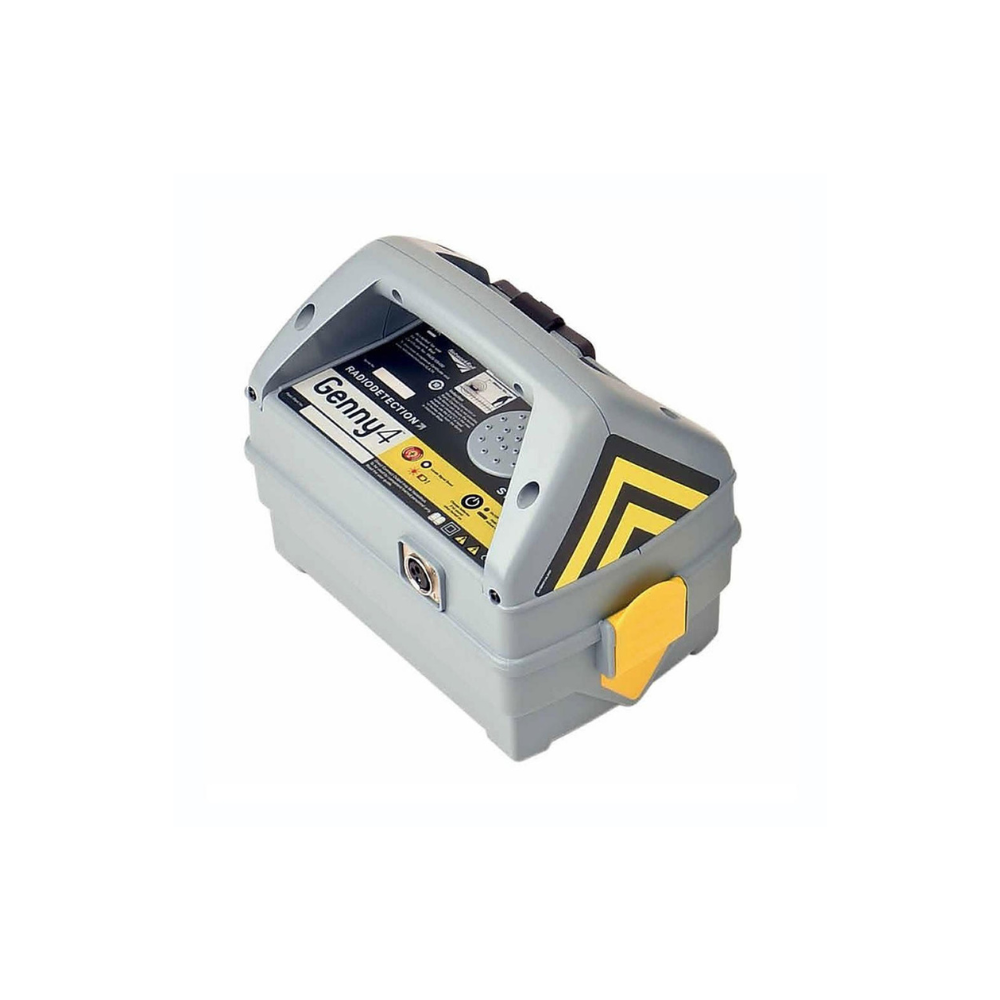
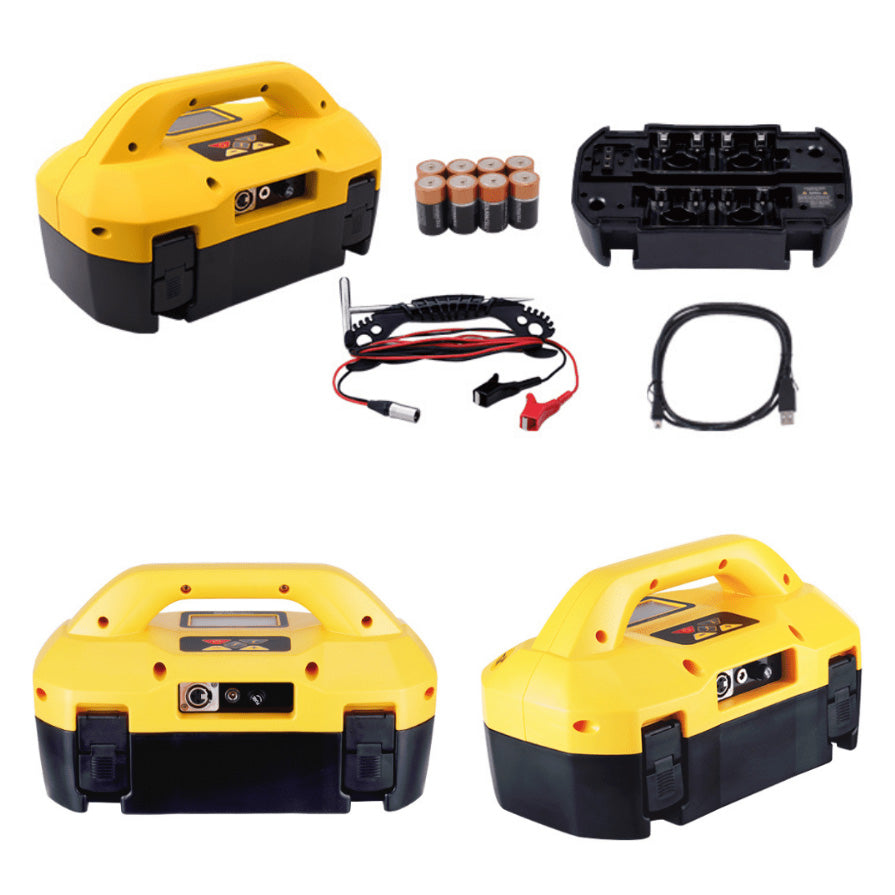
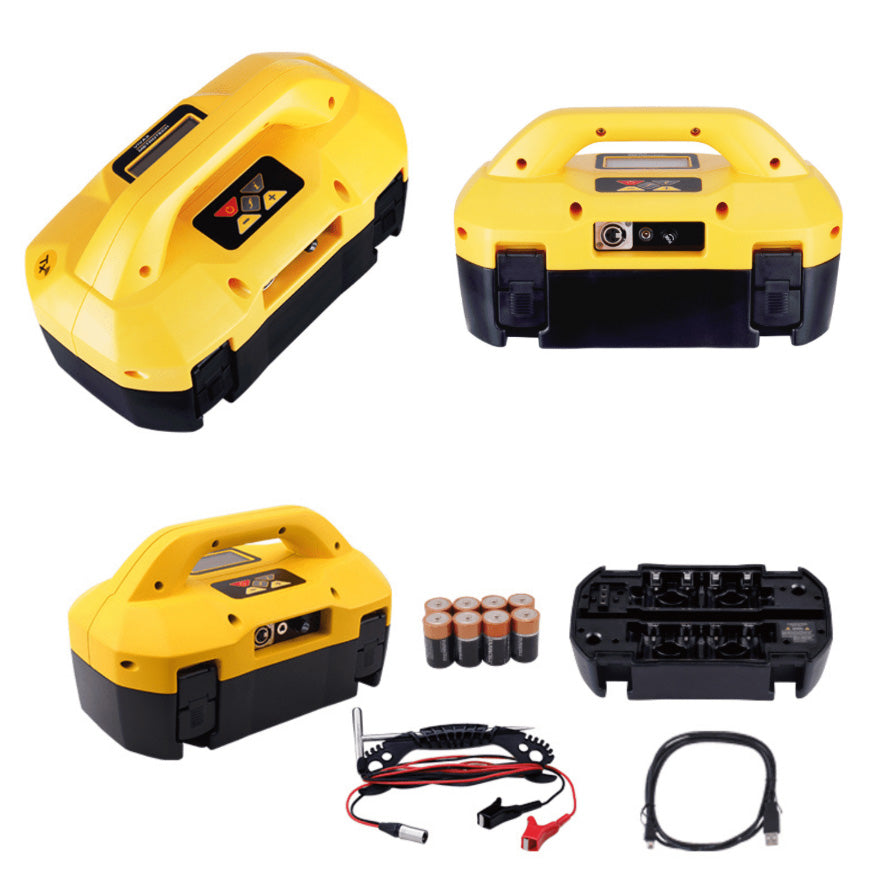
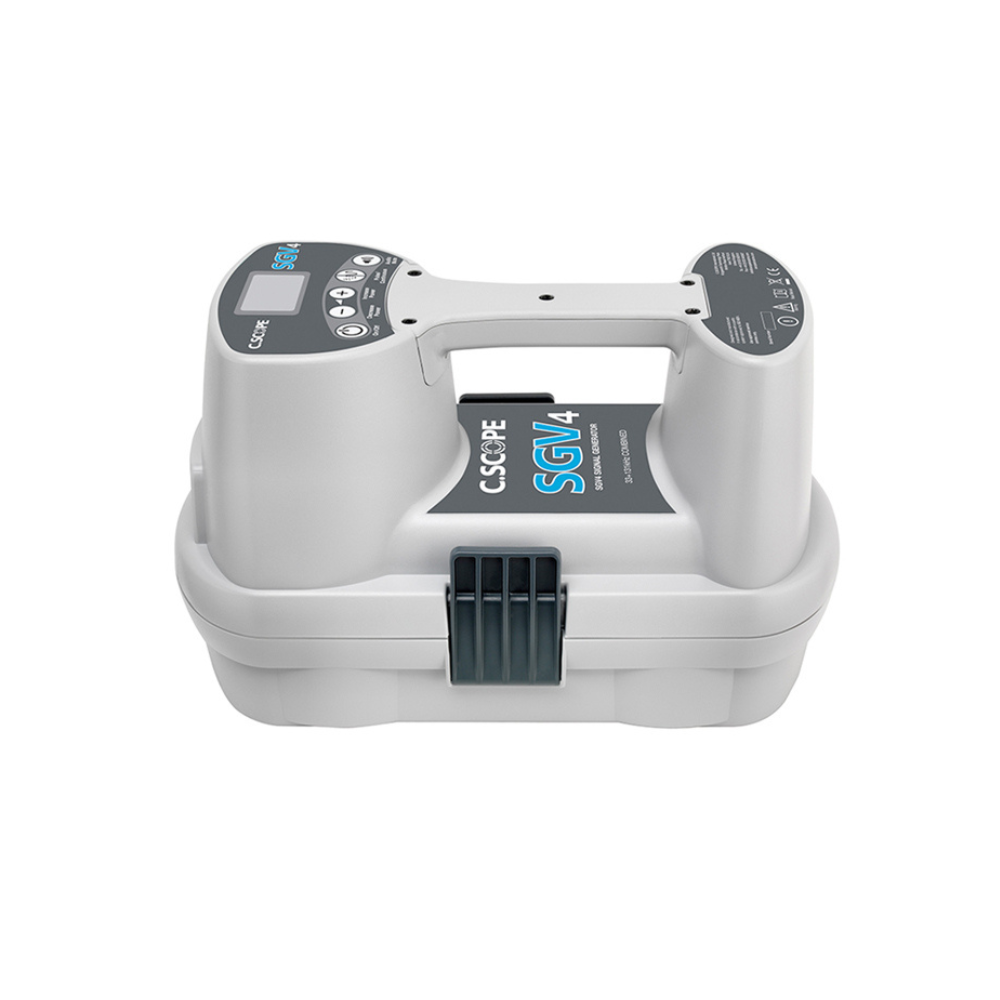
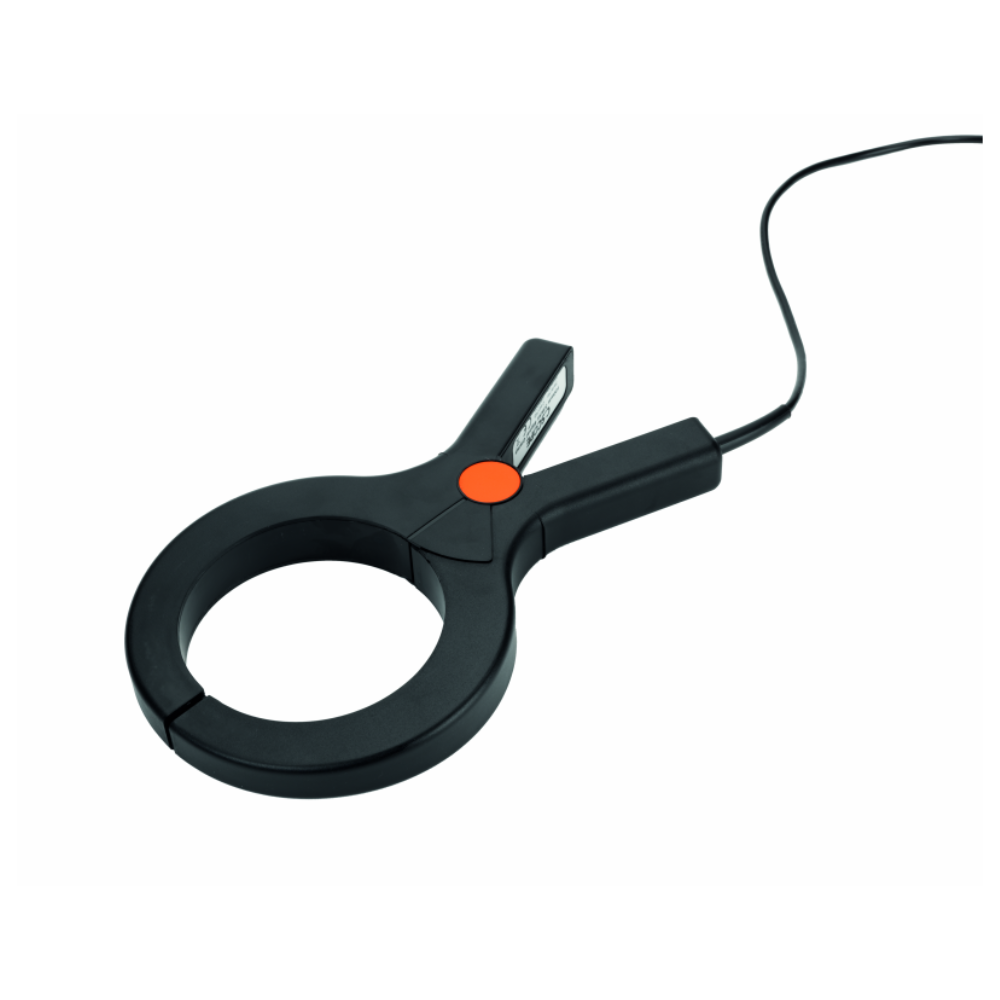
Signal generators can apply a tracing signal in several ways, including direct connection, induction and through accessories such as signal clamps.

Direct connection is often the preferred option when a suitable connection point is available because it places the signal directly onto the service being traced.

Induction allows the transmitter to apply a signal without making a physical connection, which can be useful where access is limited. Signal clamps offer another option when the cable is accessible but a direct electrical connection is not appropriate.

When comparing transmitters, look at the available frequencies, power output and compatibility with your locator. Higher output can help on longer traces, but correct frequency selection and setup still make a big difference.

Sondes and Cable Locator Accessories

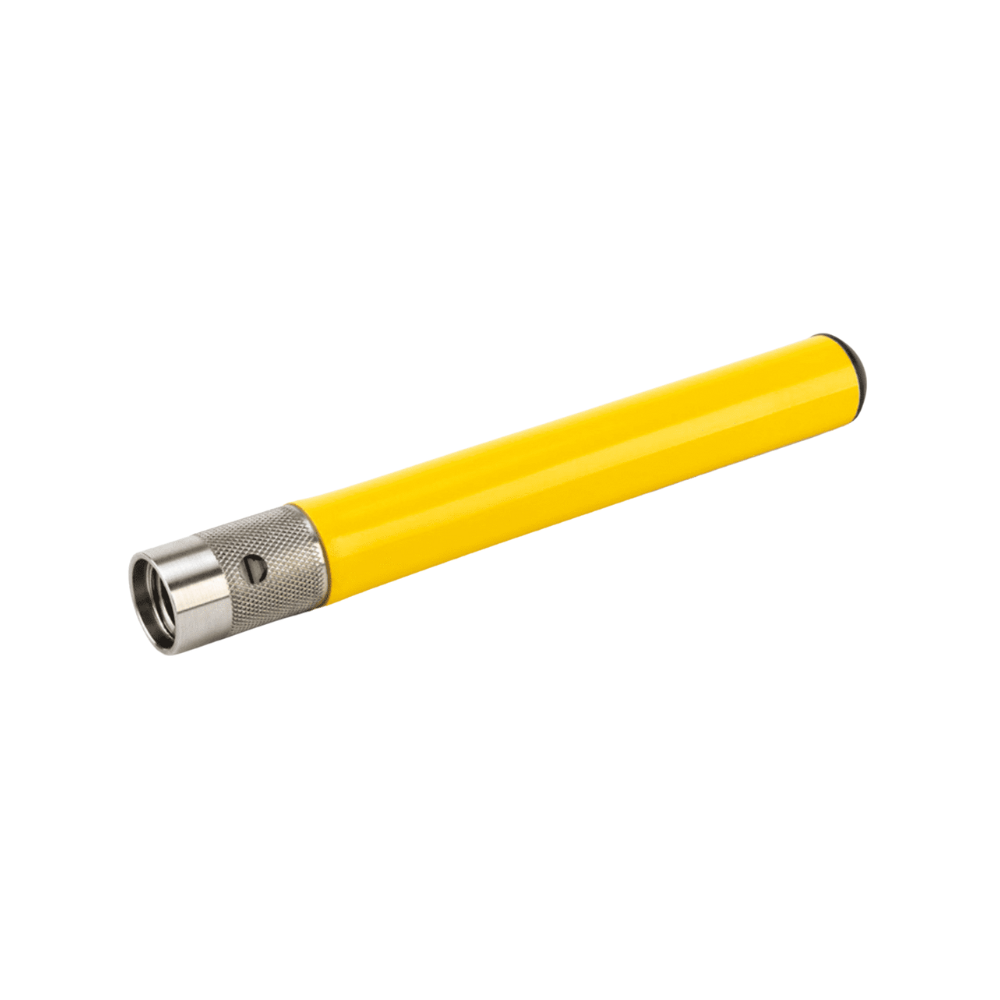
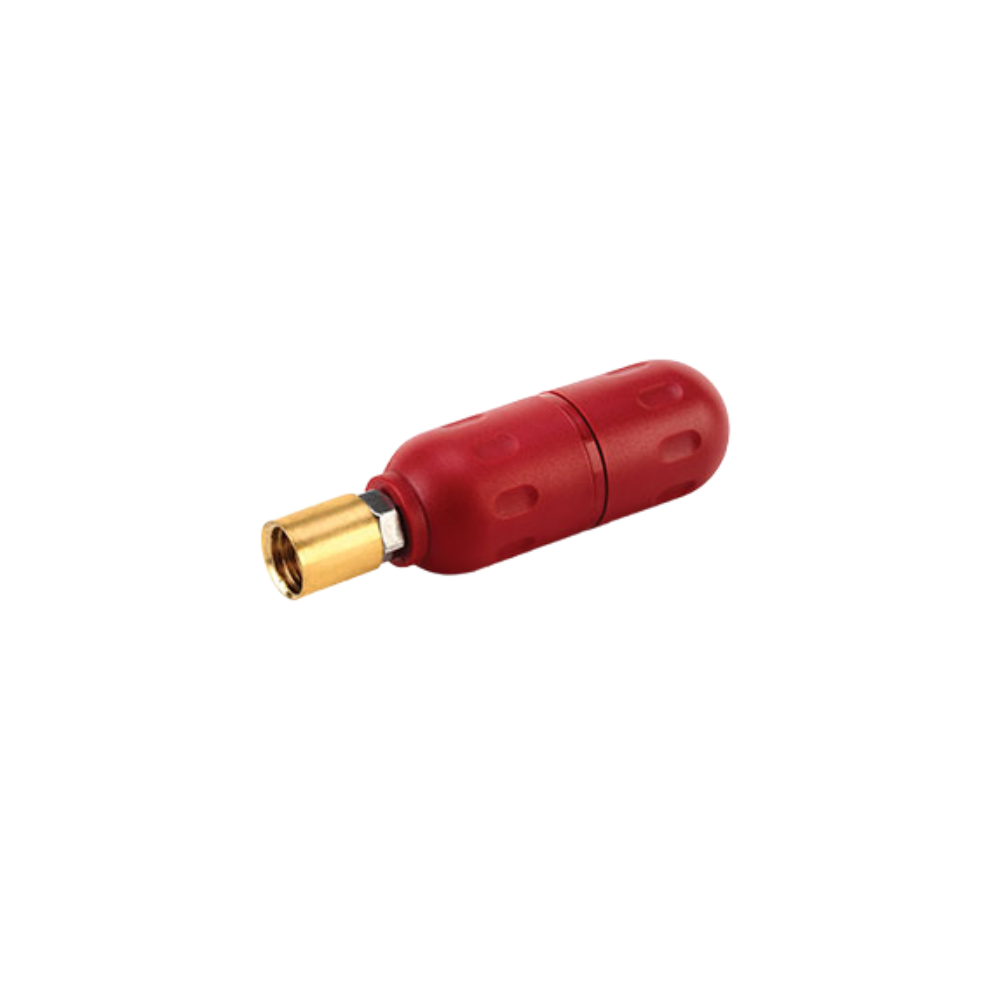
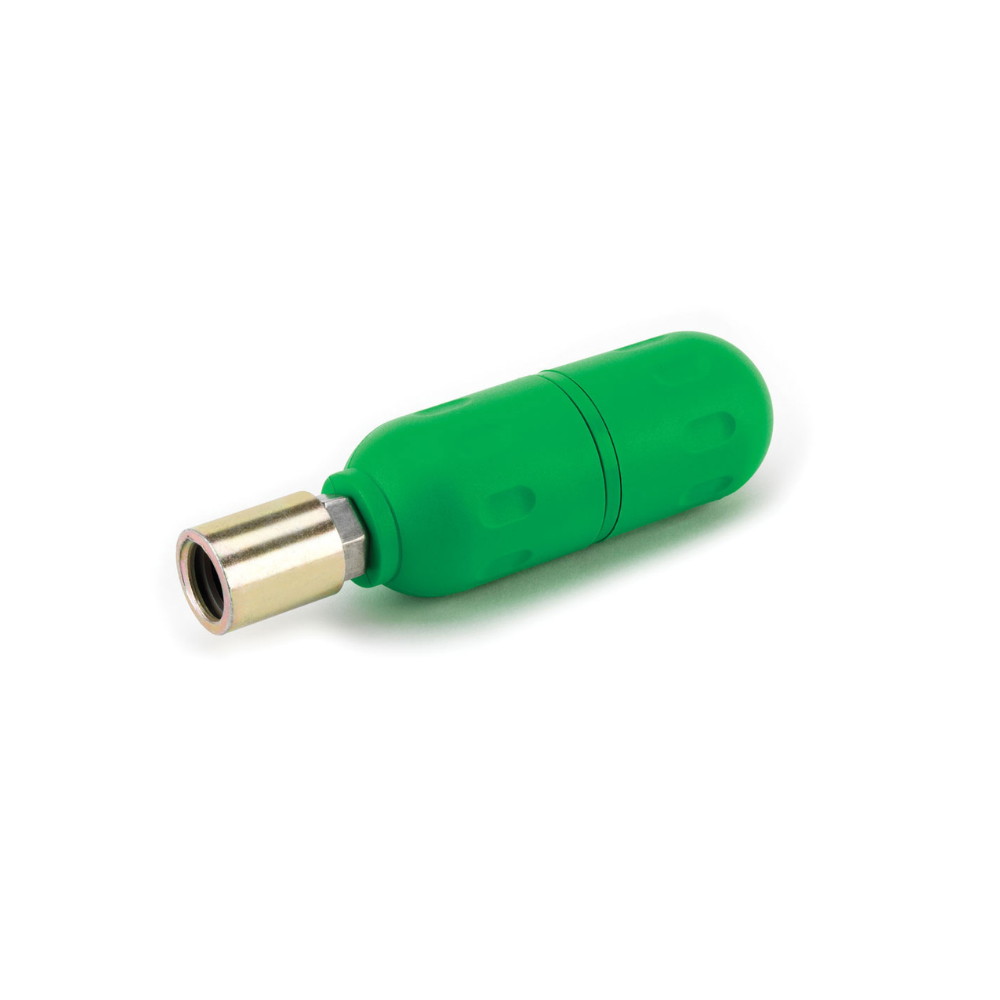
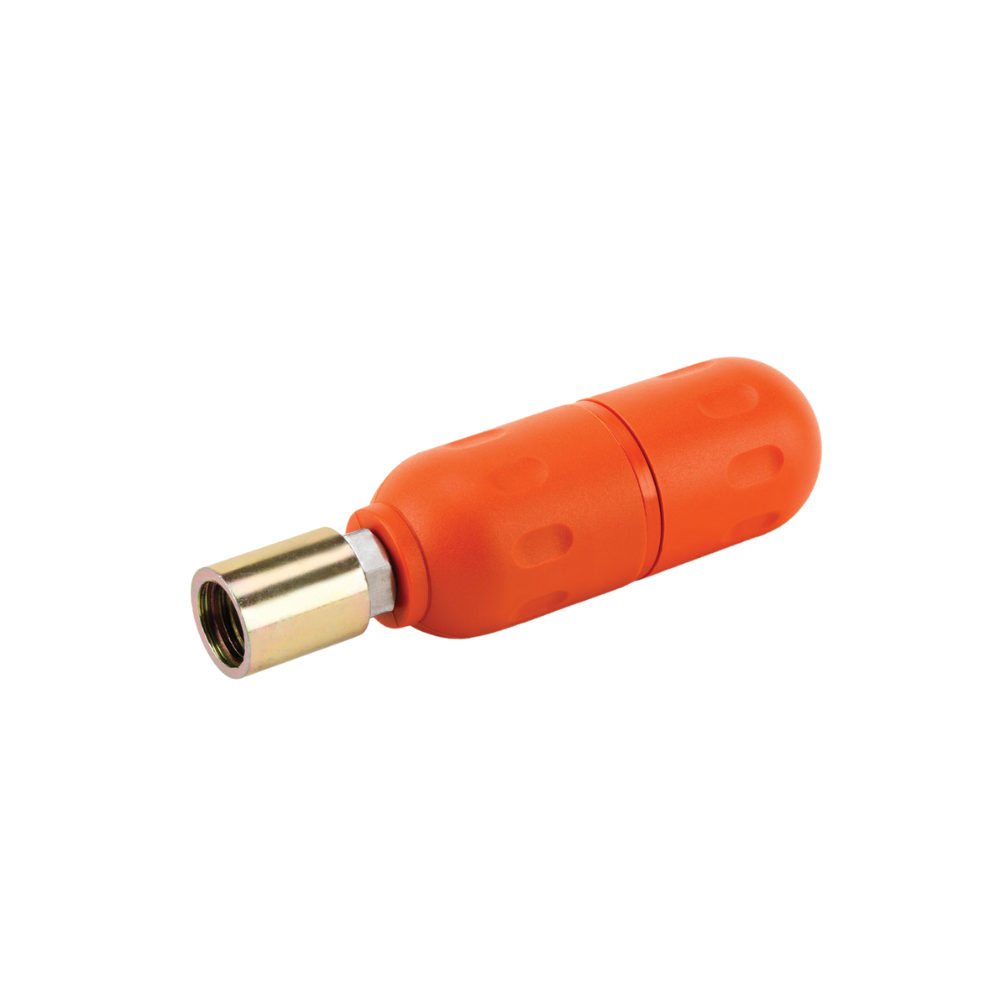
Sondes are small transmitters used to locate drains, ducts and non-metallic pipes that cannot be traced using standard electromagnetic detection alone.

They are inserted into the service and tracked from above ground using a compatible locator. Different sondes operate at different frequencies and are rated for different depths, so it is important to check compatibility before ordering.

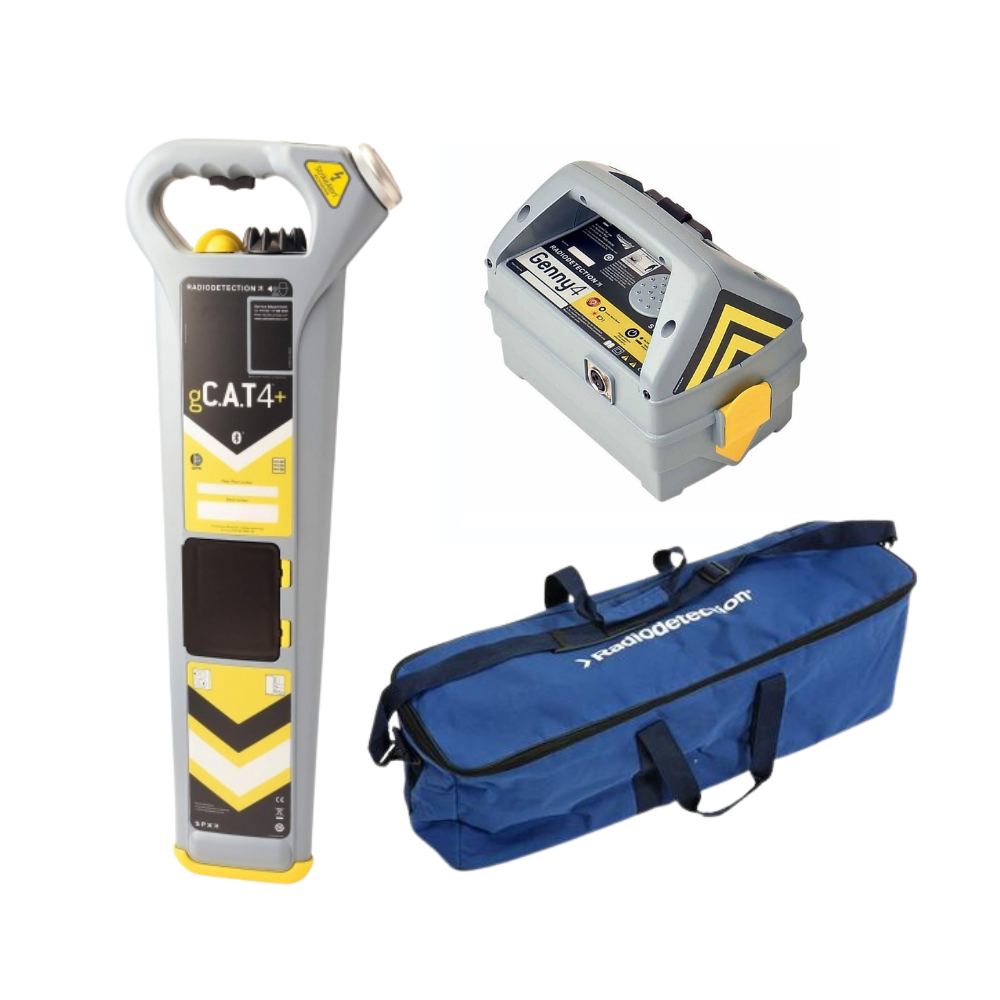
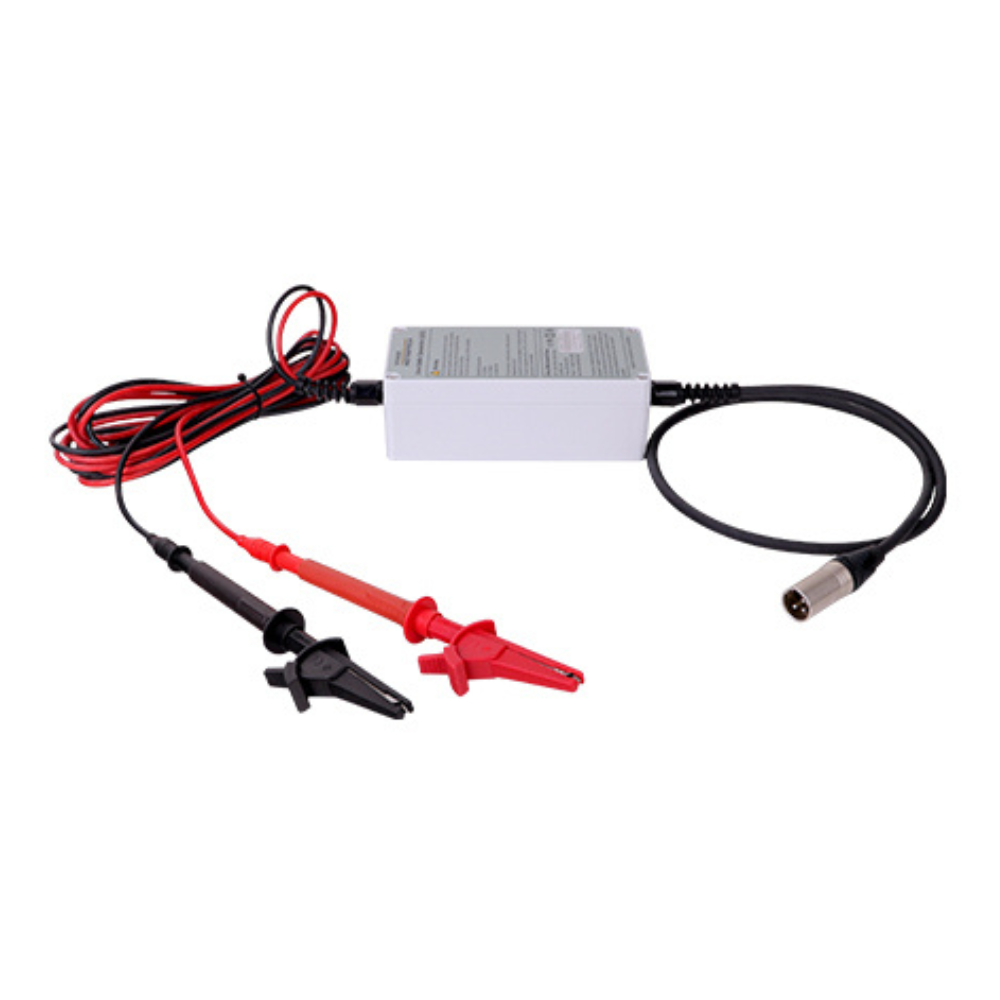
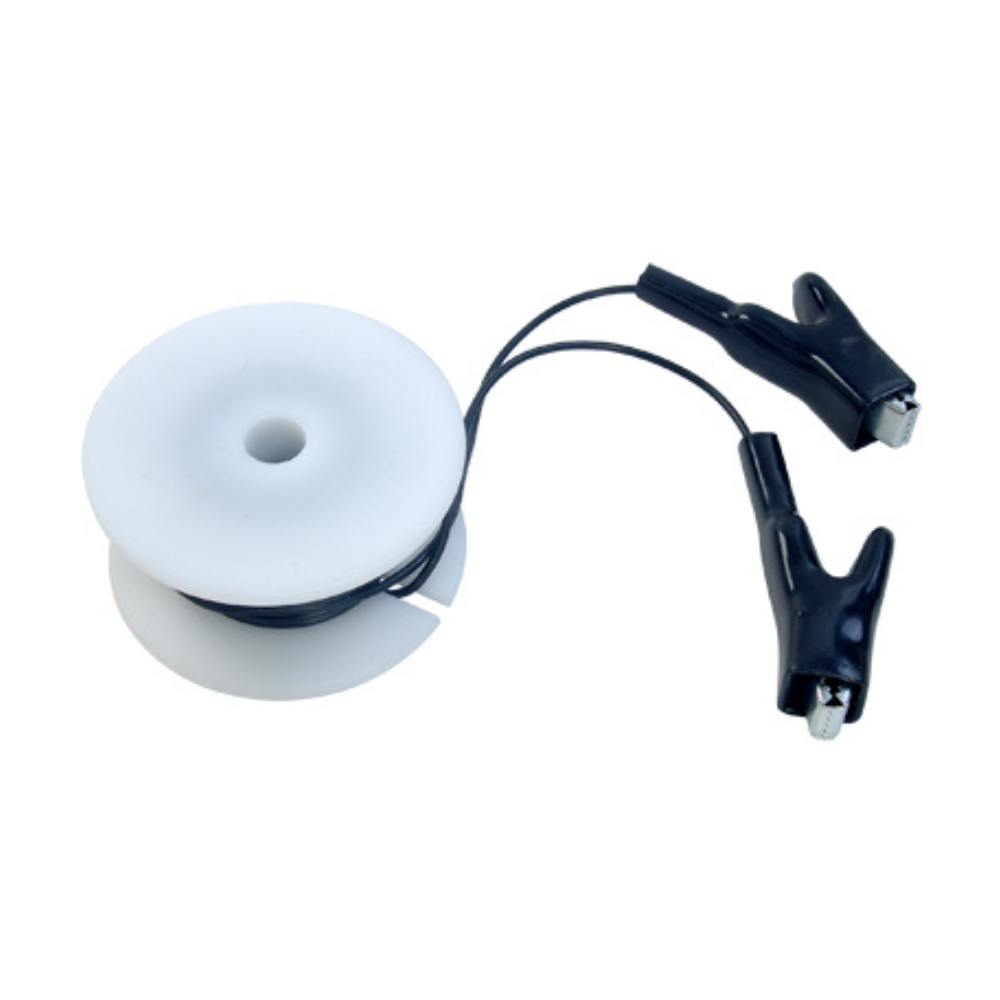
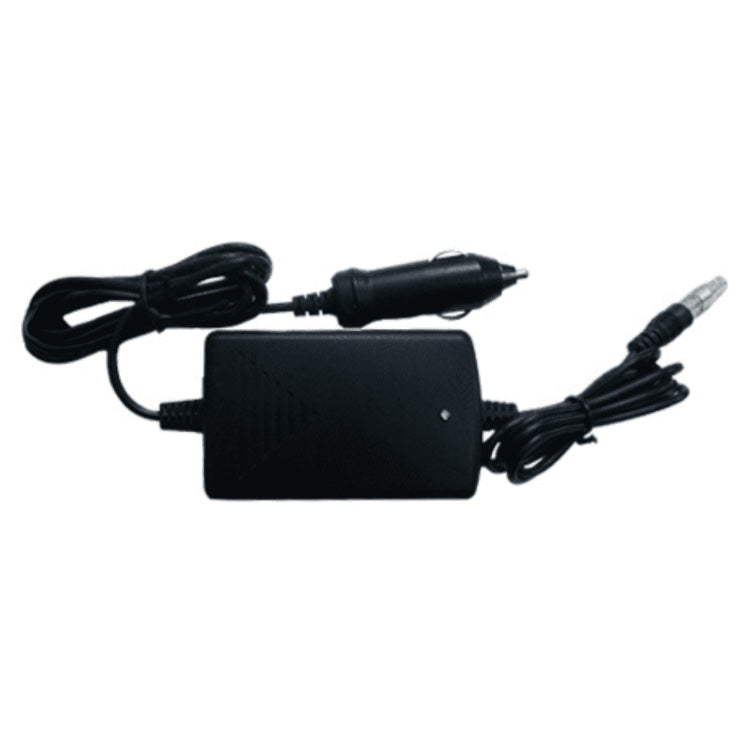
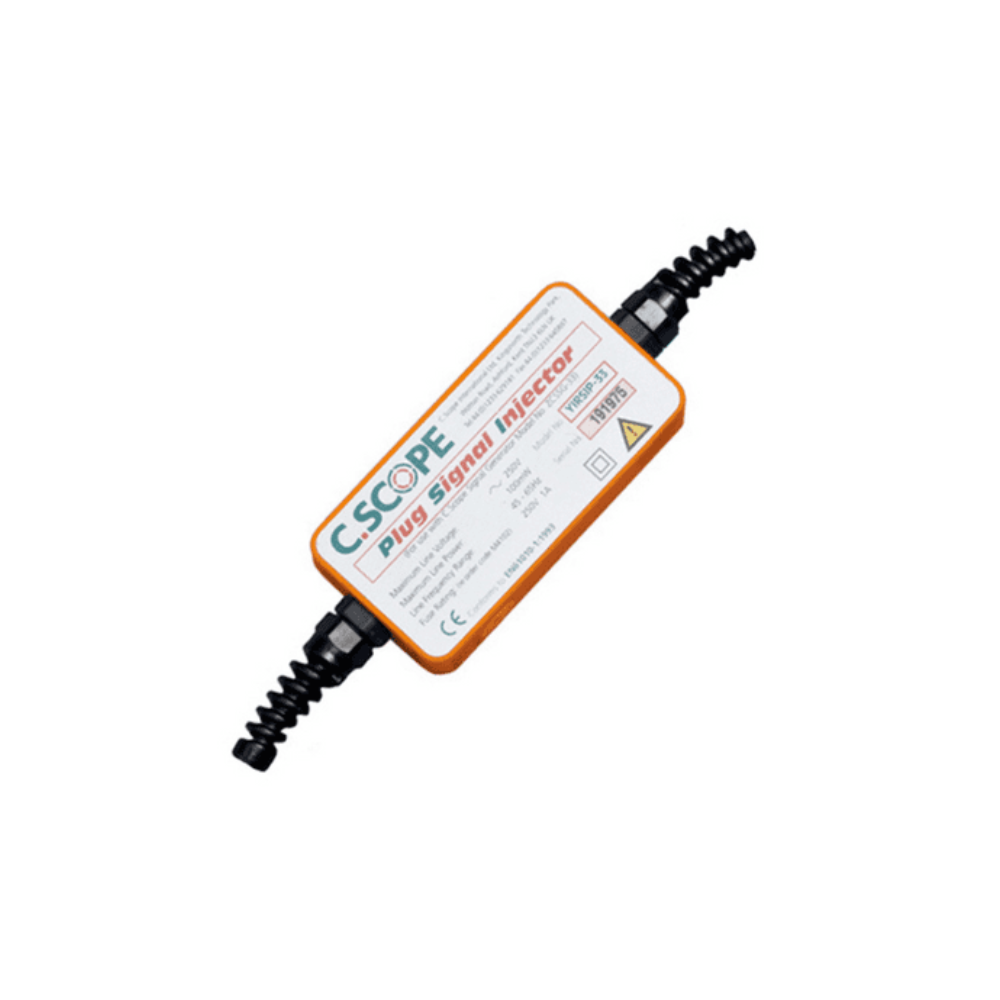
Our range also includes signal clamps, injectors, connectors, ground leads and protective carry bags for supporting day-to-day utility locating work.

Browse the collection above to compare cable locators, signal generators and related accessories. If you are unsure which setup suits your work, the Independent Surveying Supplies Ltd team can help you compare detection modes, frequencies and accessory compatibility.