Drain Inspection Cameras
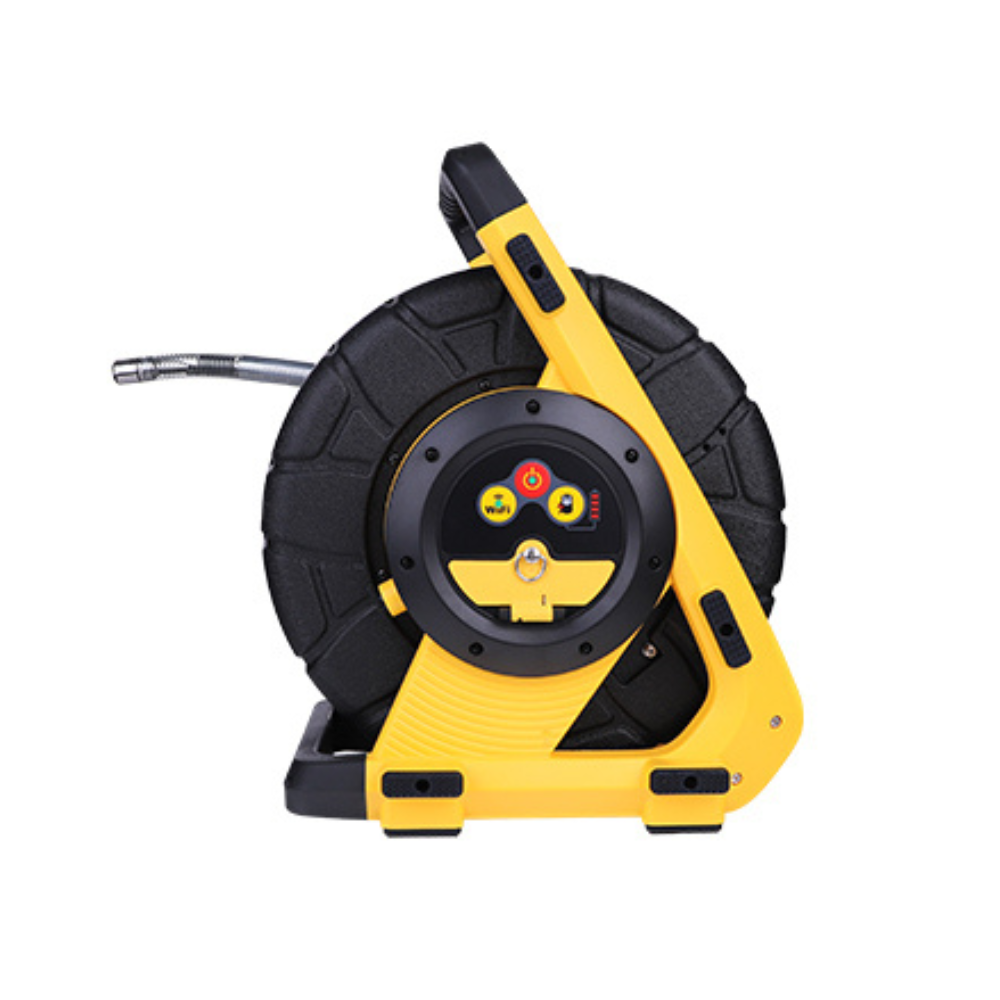
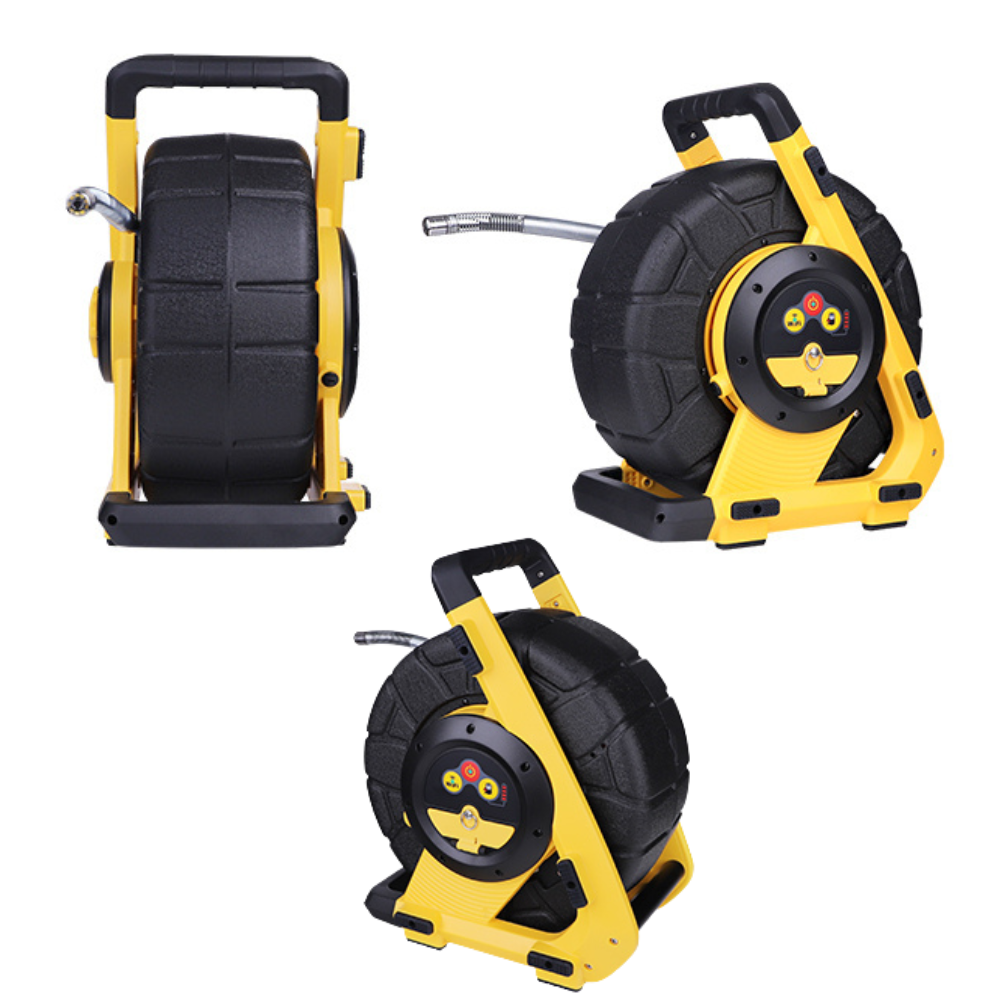
At Independent Surveying Supplies Ltd, our drain inspection camera range includes Vivax Metrotech systems for checking pipework, drains, ducts and sewer lines without excavation.
The collection covers compact inspection cameras for smaller internal pipework through to longer pushrod systems for lateral lines and small mains. Features include HD recording, built-in sondes, traceable pushrods, daylight-viewable screens and more.

- Featured
- Most relevant
- Best selling
- Alphabetically, A-Z
- Alphabetically, Z-A
- Price, low to high
- Price, high to low
- Date, old to new
- Date, new to old
Choosing the Right Drain Inspection Camera
The right drain inspection camera will depend on the type of pipework you inspect most often.
For domestic drainage and smaller internal pipes, a compact camera head and flexible pushrod can make it easier to work through bends, traps and tighter access points. Contractors inspecting longer lateral runs or larger pipework may need a system with a longer reel and greater pushing strength.
It is also worth considering how you need to record the inspection. Some jobs only require a clear live view, while condition surveys or client reports may benefit from video recording, still images, audio commentary and on-screen distance information.
If you regularly work across different pipe sizes, it can make sense to choose a system with interchangeable camera heads or reel options.
Drain Inspection Camera Pipe Sizes & Pushrod Lengths
Pipe diameter is one of the first specifications we would check when comparing drain cameras.
Each system is designed to work within a particular pipe size range. A camera head that is too large may struggle through smaller lines, while a head intended for narrow pipework may give a limited view inside larger drains.
Pushrod length determines how far the camera can potentially travel, but reel length is only part of the picture. Flexibility, rod diameter and pushing strength all affect how well the camera moves through the pipe.
Bends, junctions, rough internal surfaces and the access angle can all reduce the practical inspection distance, so we recommend choosing around the type of drainage work you actually carry out.
Drain Camera Image Quality & Recording Features
Good image quality makes faults easier to identify and document.
When comparing drain inspection cameras, look at camera resolution, integrated lighting and how clearly the display can be viewed in normal site conditions. Self-levelling camera heads can also keep the image upright as the head travels through the pipe.
Recording features may include video, still images, audio notes, text overlays and distance counters. Depending on the system, files can be stored internally, saved to removable media or transferred to a smartphone or tablet.
For contractors producing reports or showing customers what has been found, these features can make the inspection much easier to document.
Drain Camera Sondes & Traceable Pushrods
A built-in sonde allows the camera head to be located from above ground using a compatible locator. This can help pinpoint the position and estimated depth of a blockage, damaged joint or other defect before excavation starts.
Traceable pushrods can also help follow the route of the pipe rather than locating only the camera head. If you already use cable locating equipment, check the available frequencies and compatibility with your existing receiver.
Battery life, charging options and construction should also be considered for regular site use. Drain cameras work in wet, dirty and confined environments, so robust reels, protected camera heads and serviceable components can make a real difference over time.
Browse the collection above to compare drain inspection cameras for different pipe sizes and inspection requirements. If you are unsure which system suits your work, the Independent Surveying Supplies Ltd team can help with camera size, pushrod length, locating features and recording options.