Grade Laser Levels
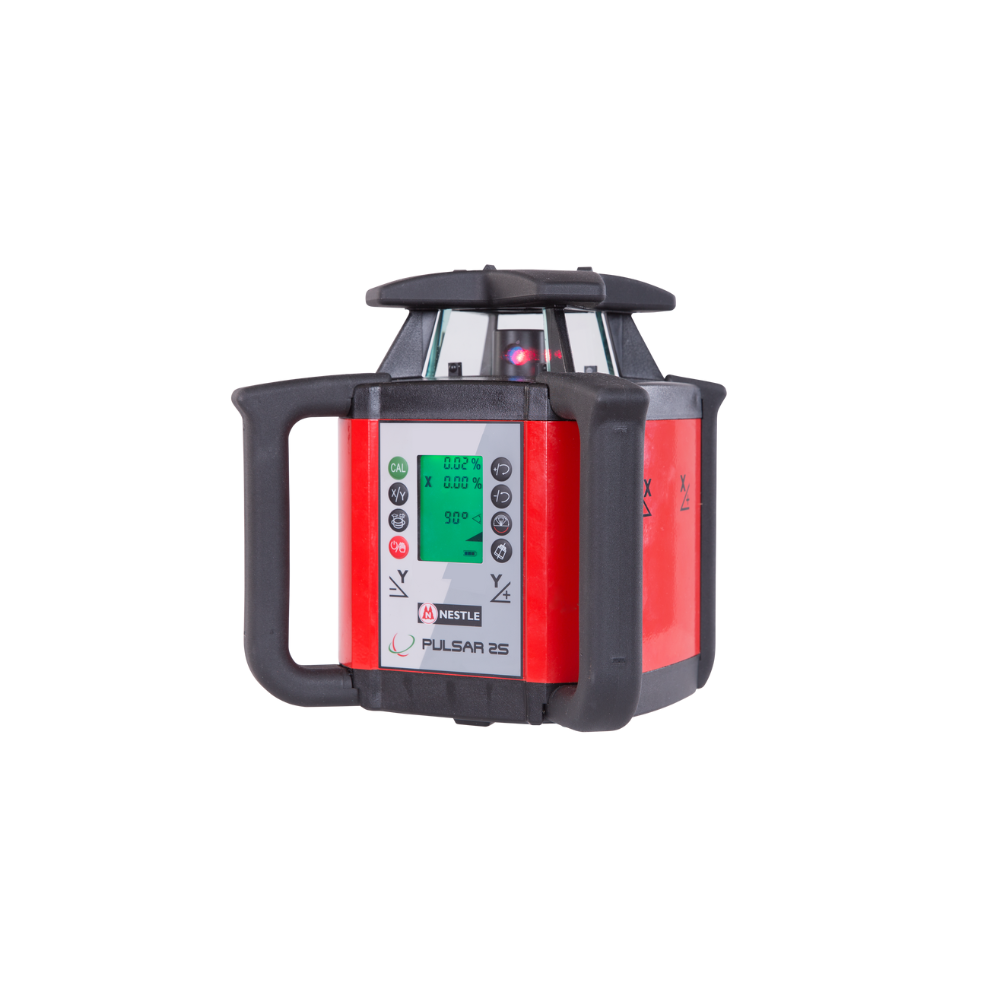
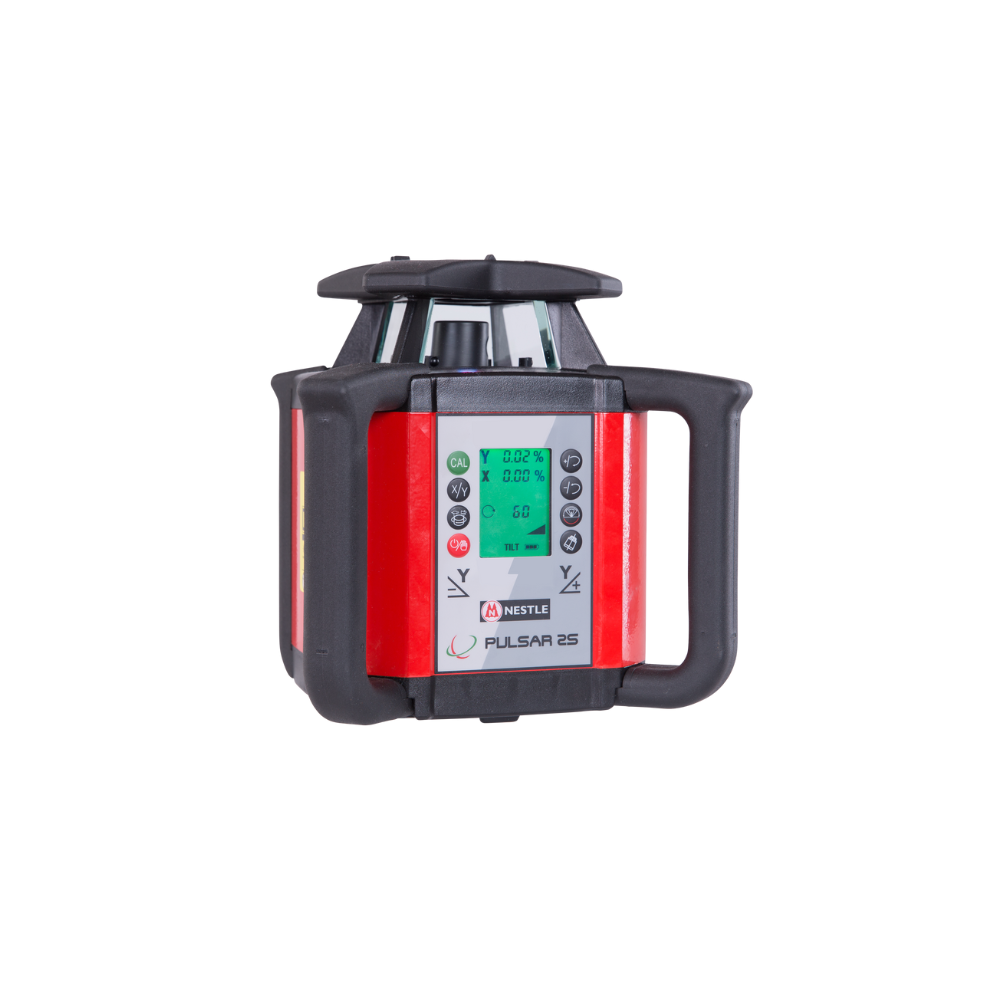
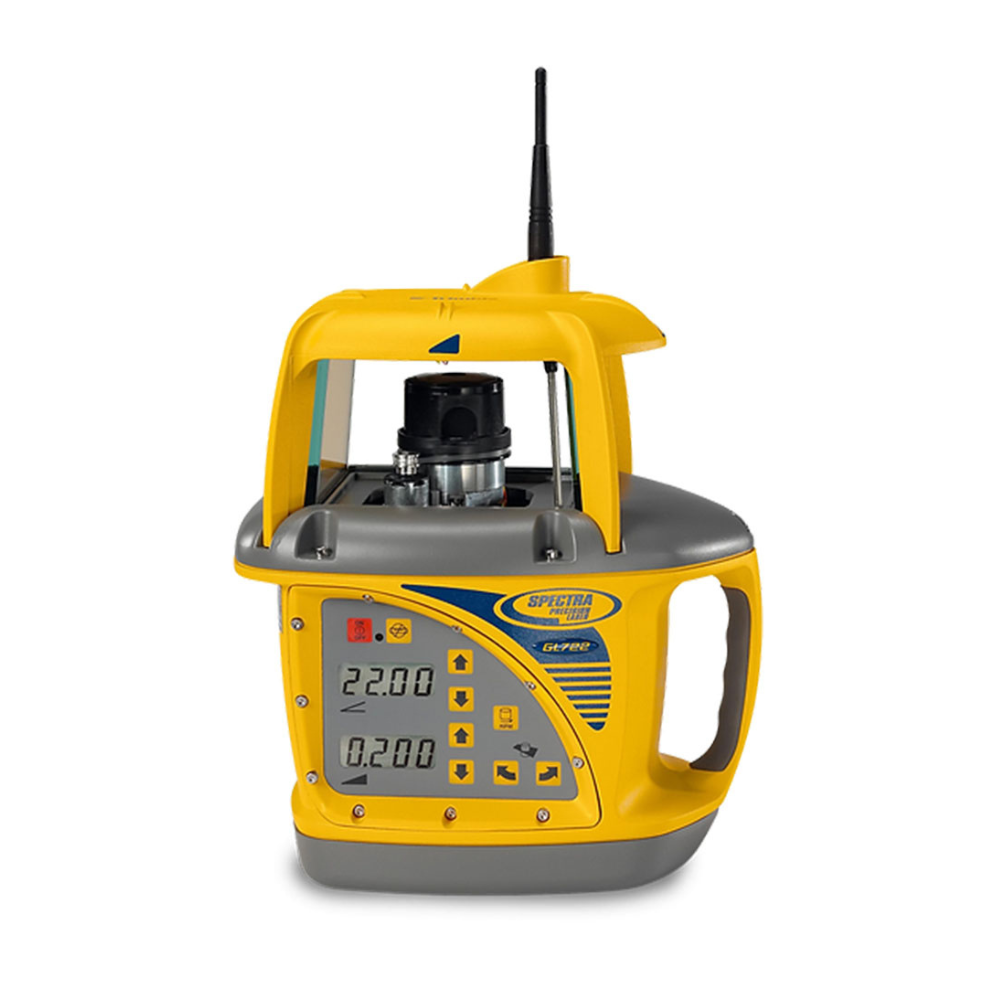
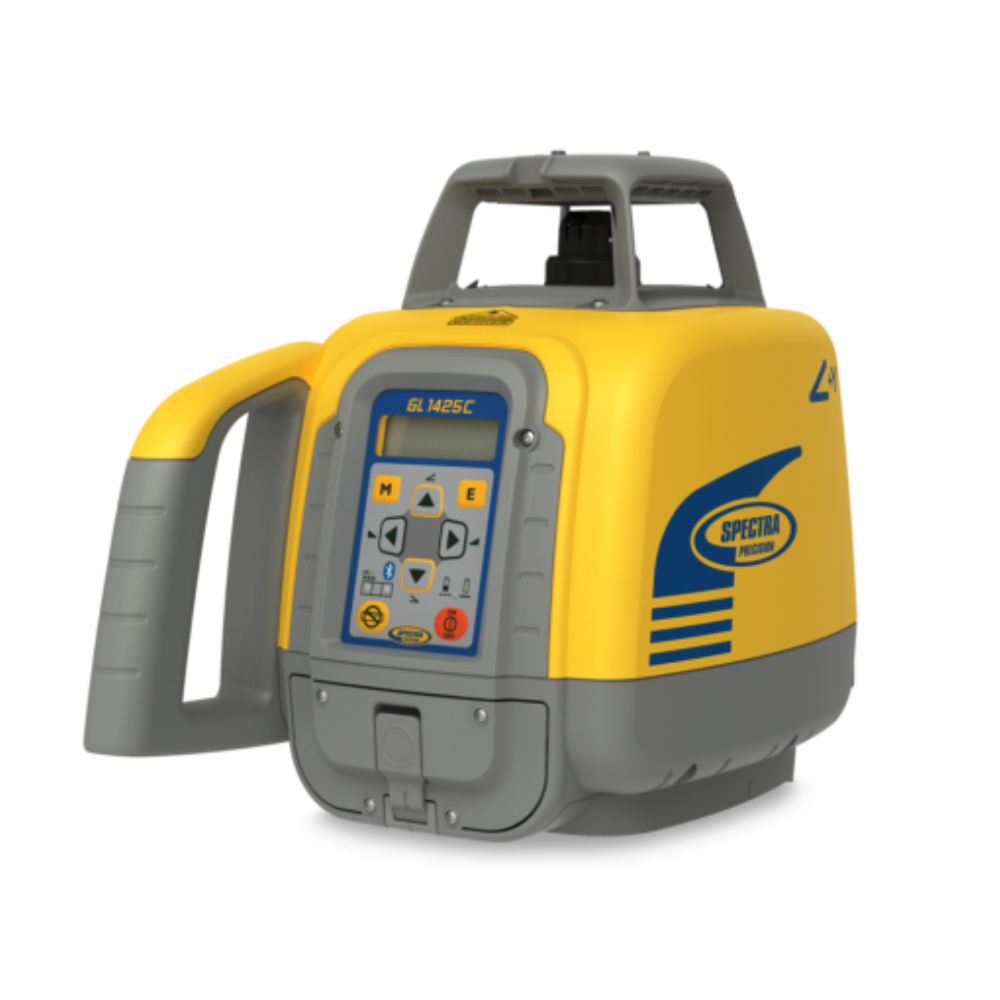
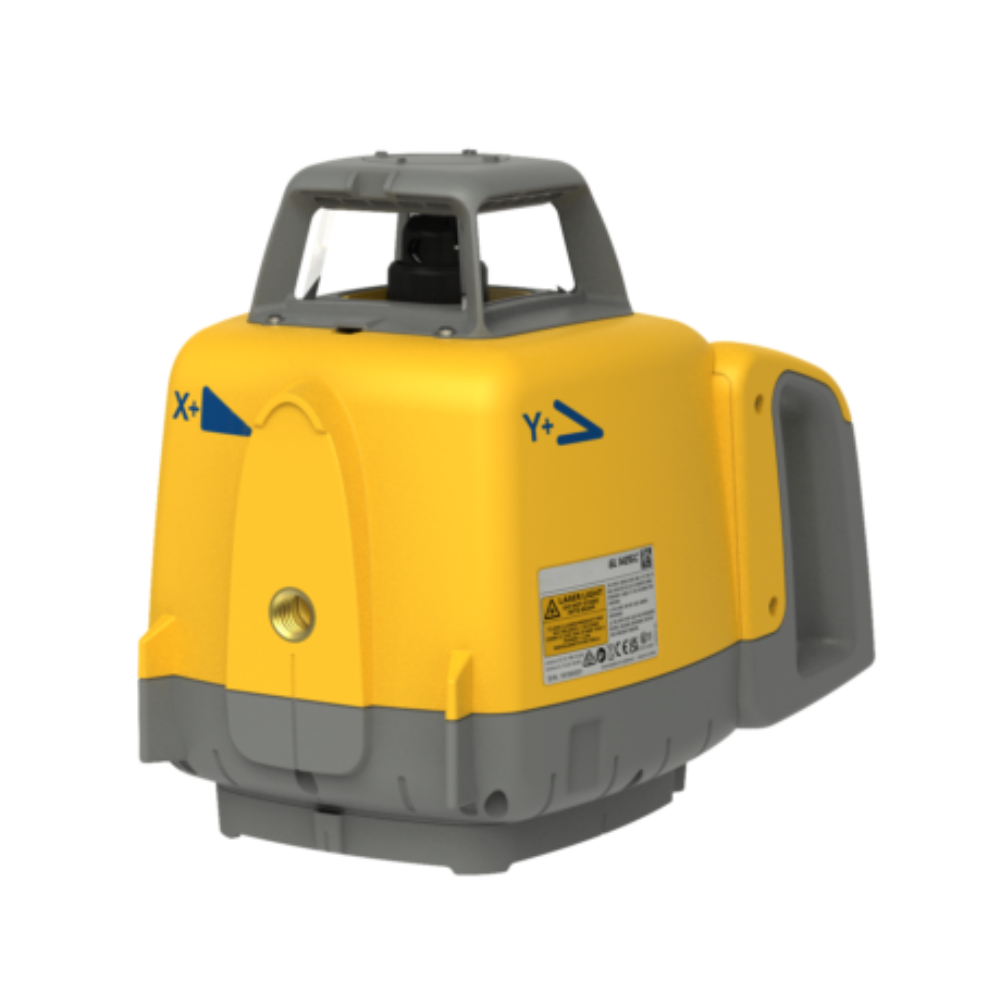
At Independent Surveying Supplies Ltd, our range includes single and dual grade laser levels, receivers and related accessories from manufacturers including Spectra Precision and Nestle.
These systems are used for slope, fall and elevation control across drainage, groundworks, landscaping, road construction, sports pitches and other applications where working to a controlled gradient matters.

- Featured
- Most relevant
- Best selling
- Alphabetically, A-Z
- Alphabetically, Z-A
- Price, low to high
- Price, high to low
- Date, old to new
- Date, new to old
Choosing the Right Grade Laser Level
When comparing grade laser levels, we would start with the type of work you carry out and the slopes you need to create.
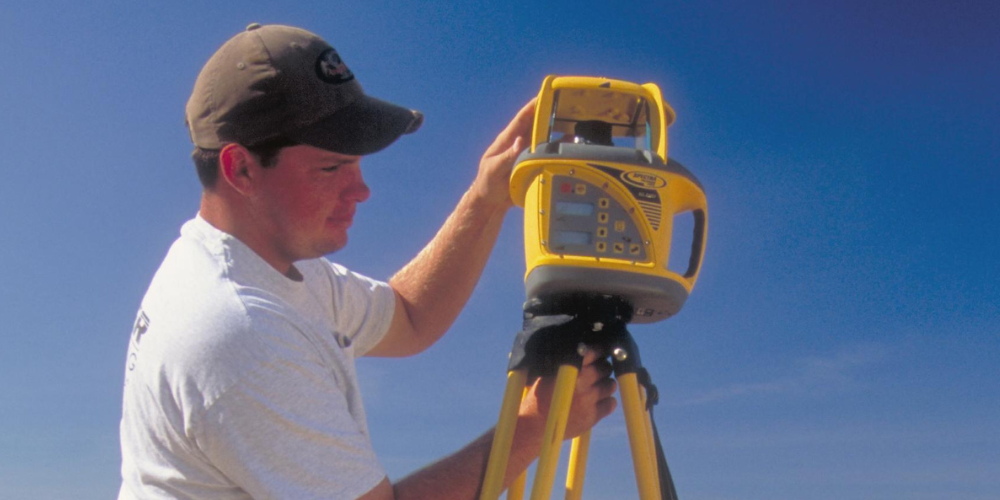
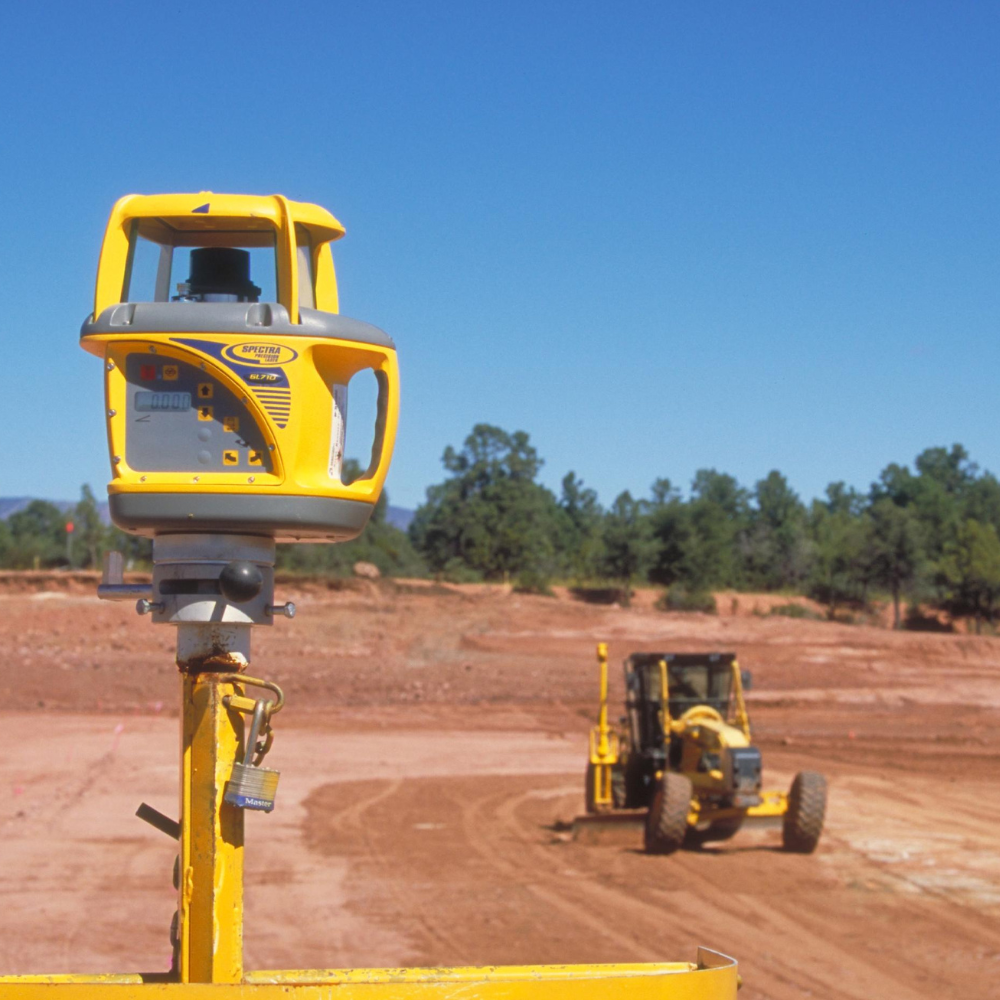
A grade laser projects a rotating reference plane that can be tilted to match a specified gradient. That makes it useful for applications where a standard level reference is not enough, such as drainage runs, ramps, embankments and larger earthworks.
For straightforward falls, a more basic setup may be enough. If you regularly work across larger sites or need to manage steeper gradients, it is worth looking at grade range, operating distance and whether the laser also supports vertical alignment.
Multifunction models can be useful for contractors who want one instrument to cover levelling, grading and general setting out work.
Single Grade vs Dual Grade Laser Levels
Single grade lasers control slope on one axis. They are a good fit for work where the surface falls in one direction, such as a drainage run, driveway or ramp.
Dual grade laser levels allow independent slopes to be set across two axes. This makes them better suited to roads, car parks, sports pitches and other surfaces where both longitudinal fall and crossfall need to be controlled.
Grade range is usually shown as a positive and negative percentage. We would always check that the model can achieve the steepest fall required for your work rather than choosing on operating range alone.
Features such as grade matching, grade reverse and automatic axis alignment can also make setup quicker and reduce the chance of working from an incorrect reference.
Grade Laser Accuracy, Range and Receivers
Accuracy is one of the main specifications to compare on any grade laser.
It is normally stated as a tolerance over a set distance, and even a small deviation can become significant across a larger site. The required accuracy should therefore reflect the tolerances of the finished work.
Operating range is usually quoted as a diameter when the laser is used with a receiver. A longer range can reduce the need to reposition the instrument throughout the day.
Laser receivers are especially important outdoors, where the rotating beam may be difficult to see in bright conditions. Some mount to a levelling staff for manual checks, while machine receivers can display grade information directly to plant operators.
We would also check what is included with the system, as receivers, remote controls, tripods and staffs may be supplied separately.
Grade Lasers for Machine Control and Site Use
Grade lasers are often used in exposed site conditions, so build quality matters.
IP rating, housing construction, operating temperature and battery life are all worth checking if the equipment will be used regularly outdoors.
Automatic self-levelling can speed up setup, while height-of-instrument alerts help prevent work continuing if the laser is knocked or moved. Remote controls and mobile apps can also allow operators to adjust settings without returning to the instrument.
For excavation and machine grading, compatibility with machine-mounted receivers and existing laser machine control equipment should be confirmed before ordering.
Browse the collection above to compare grade laser levels for different applications. If you are unsure which model suits your work, the Independent Surveying Supplies Ltd team can help with grade range, working distance, receiver compatibility and the accessories required for your setup.