Laser Levels
At Independent Surveying Supplies Ltd, we supply laser levels for construction, surveying, groundworks and internal layout tasks.
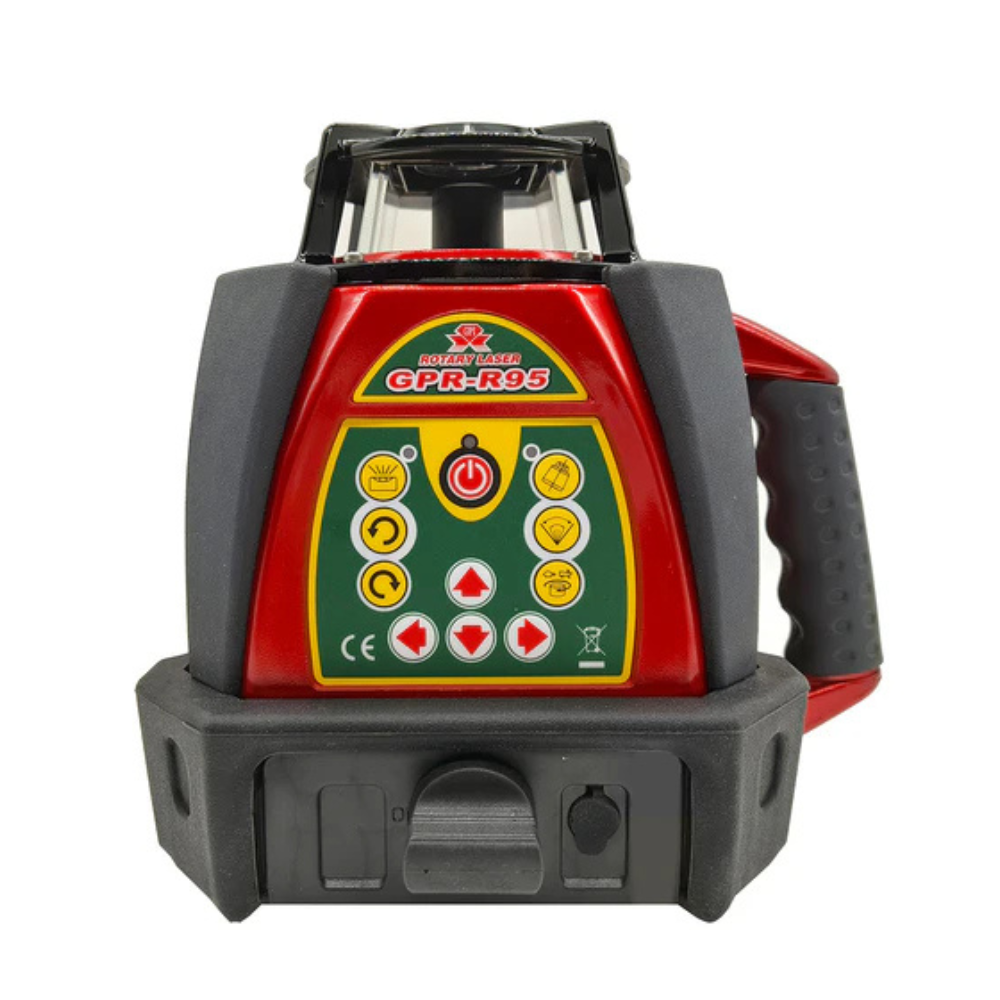
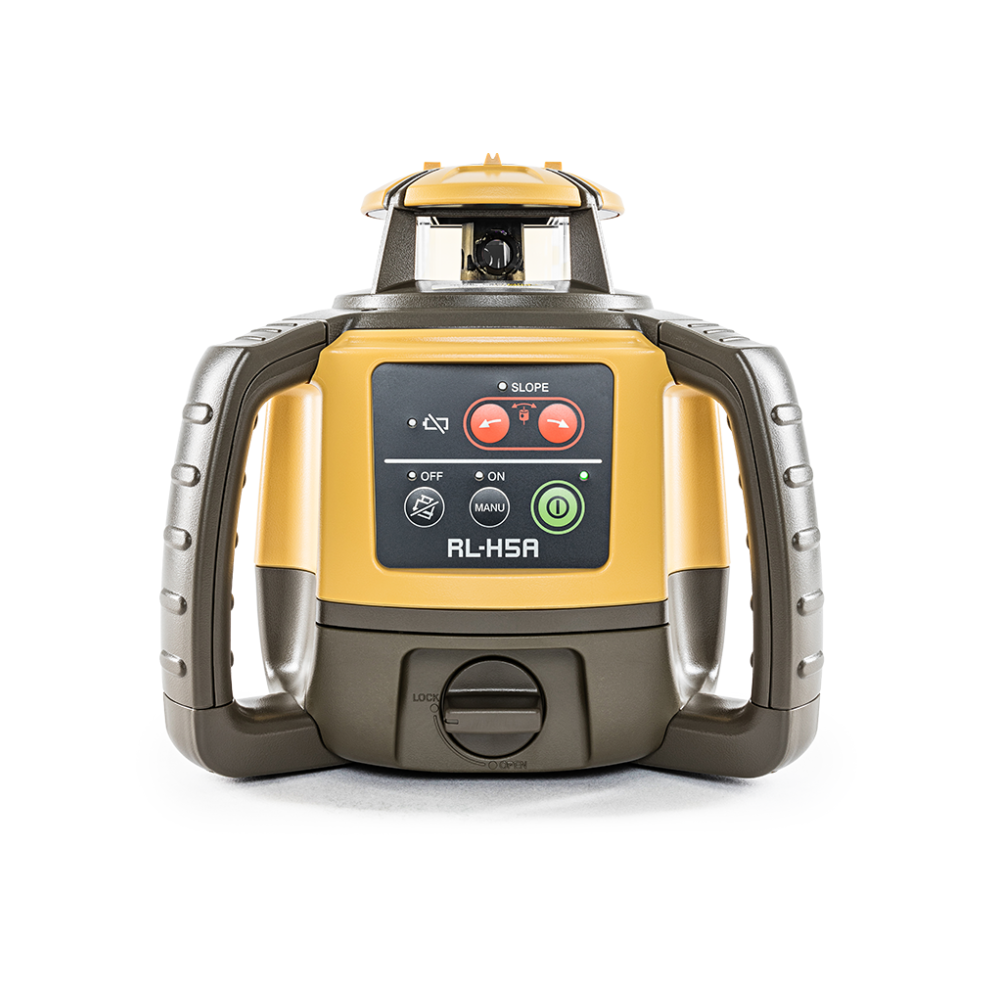
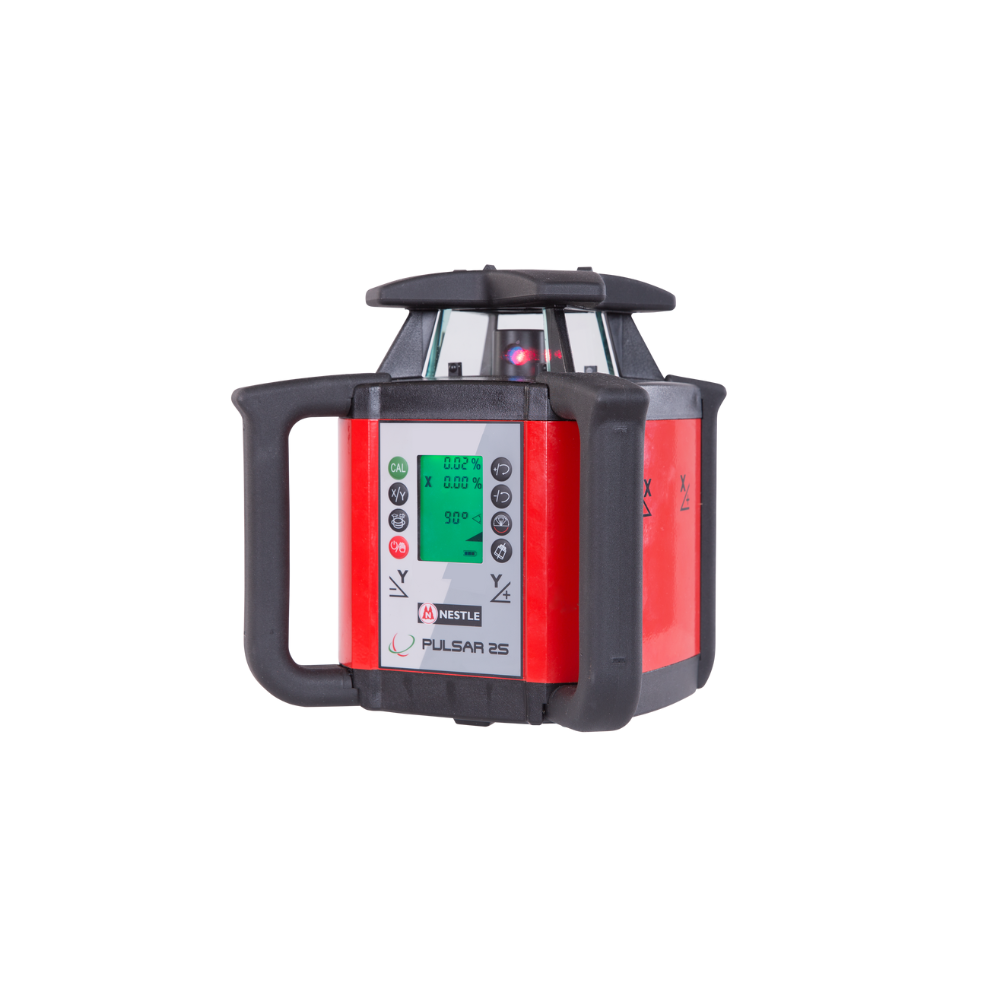
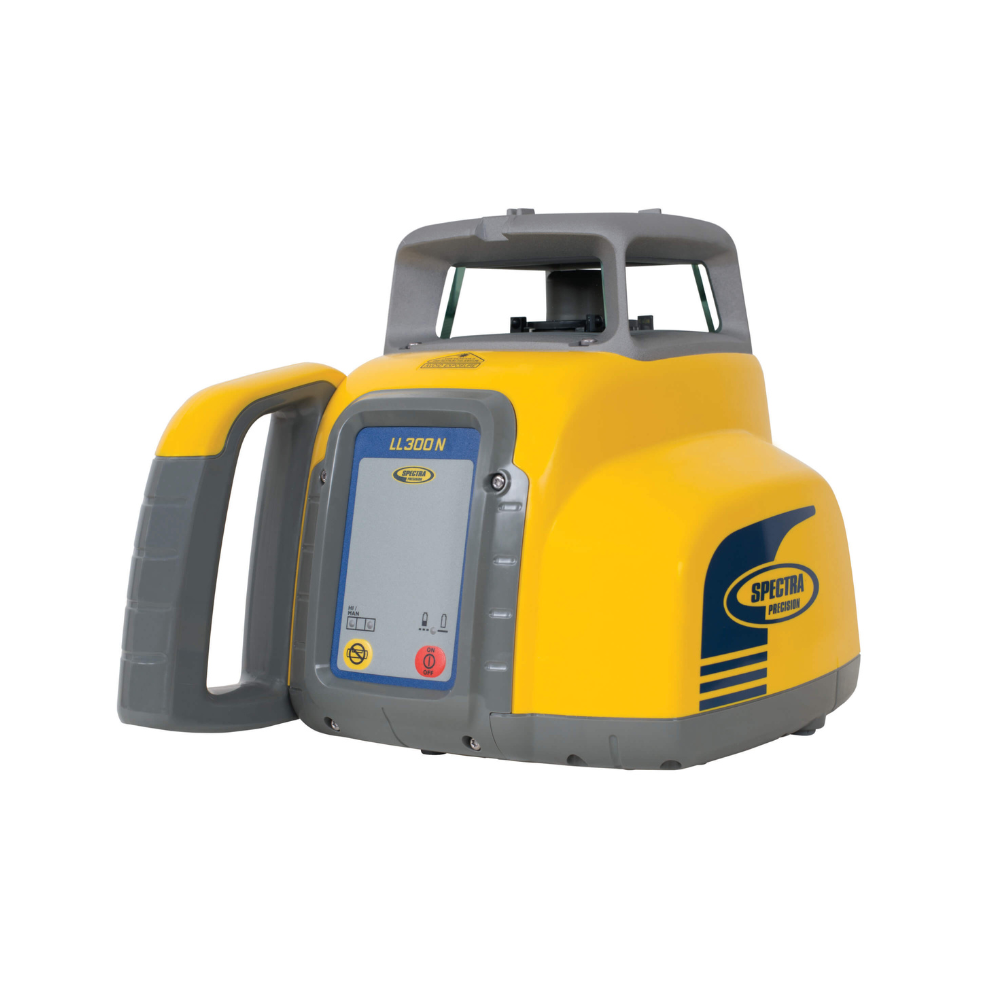
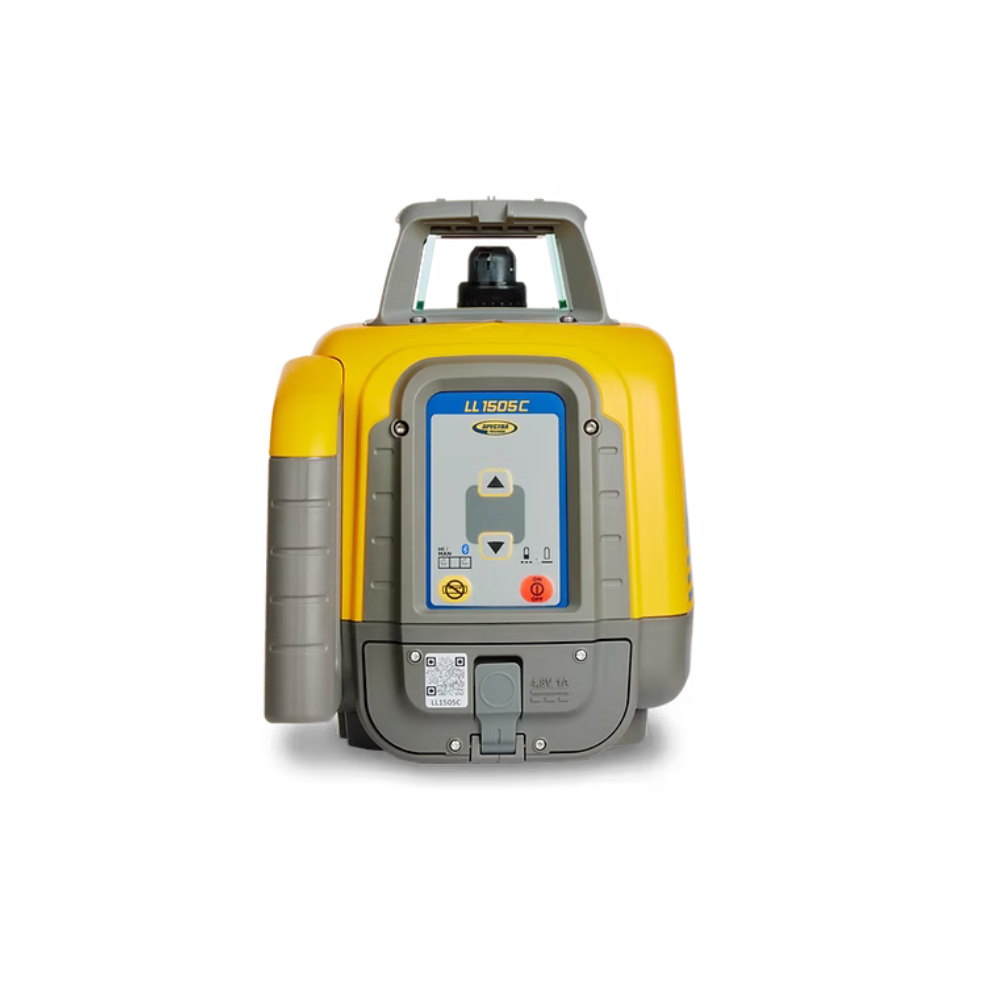
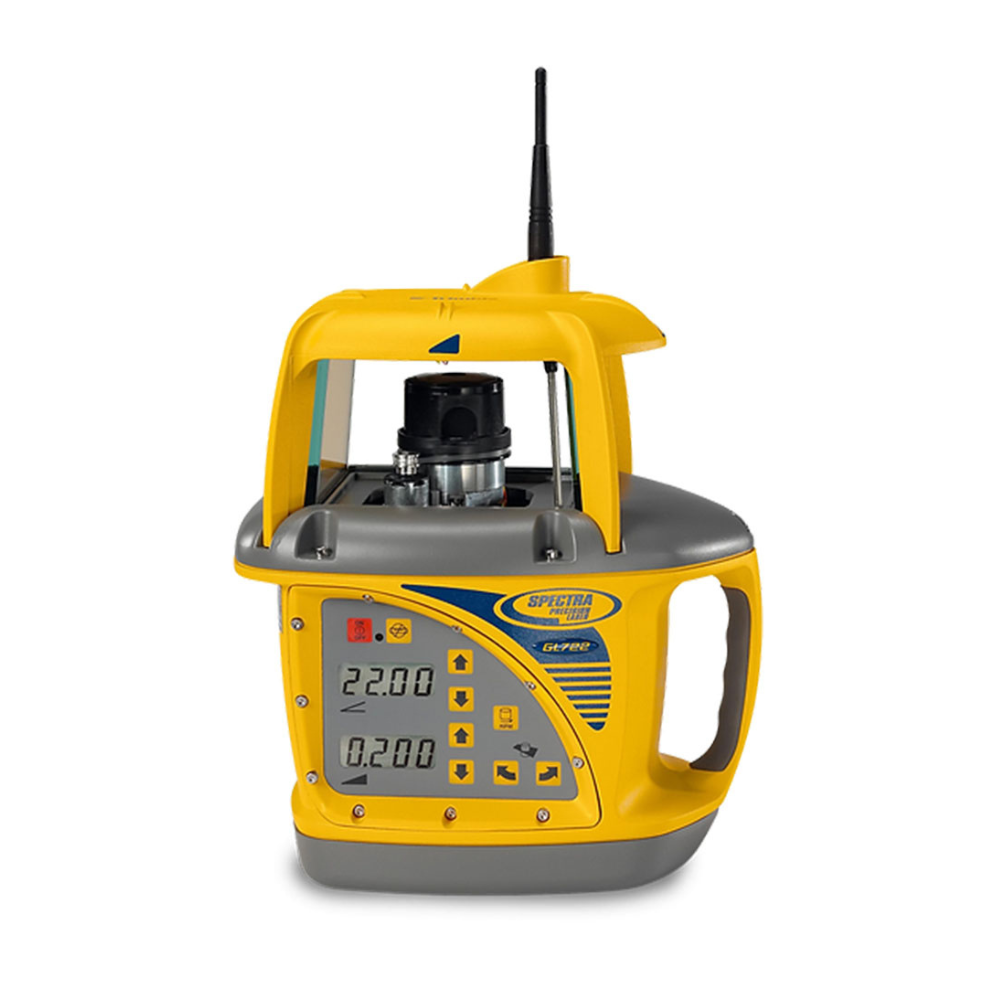
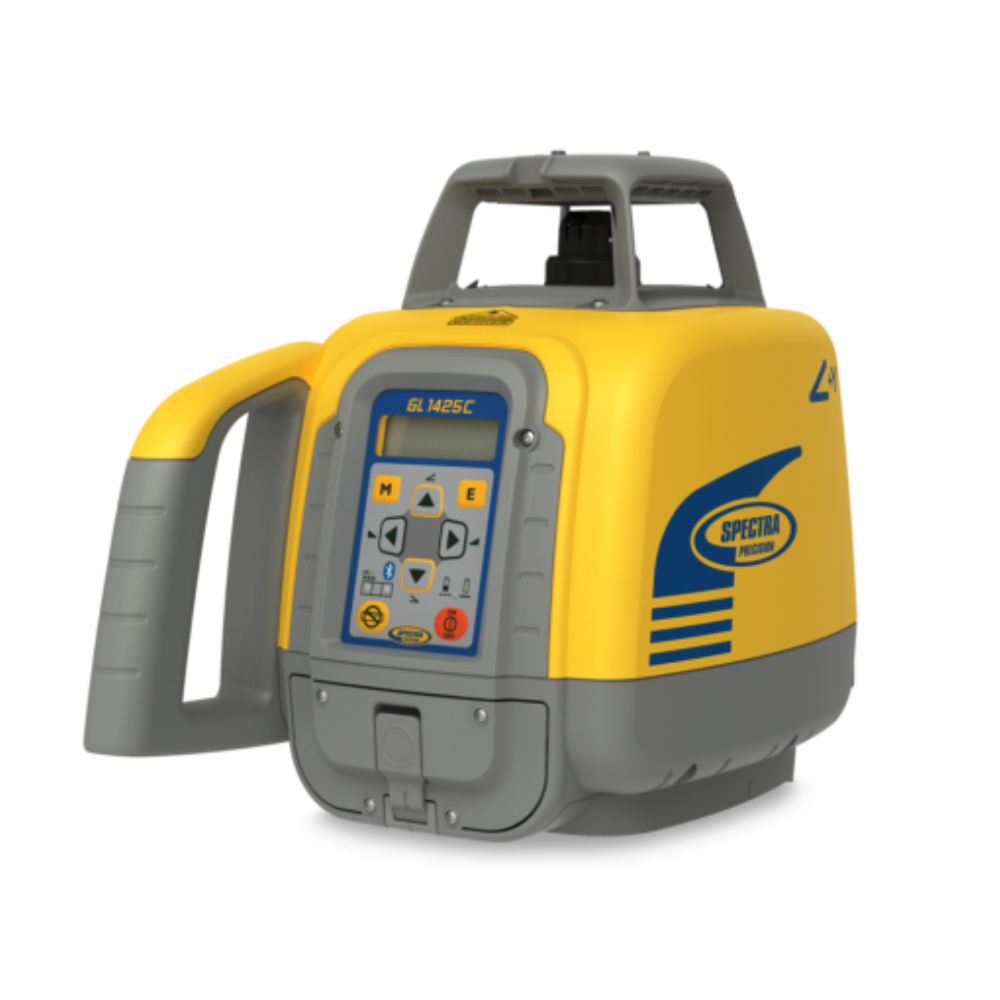
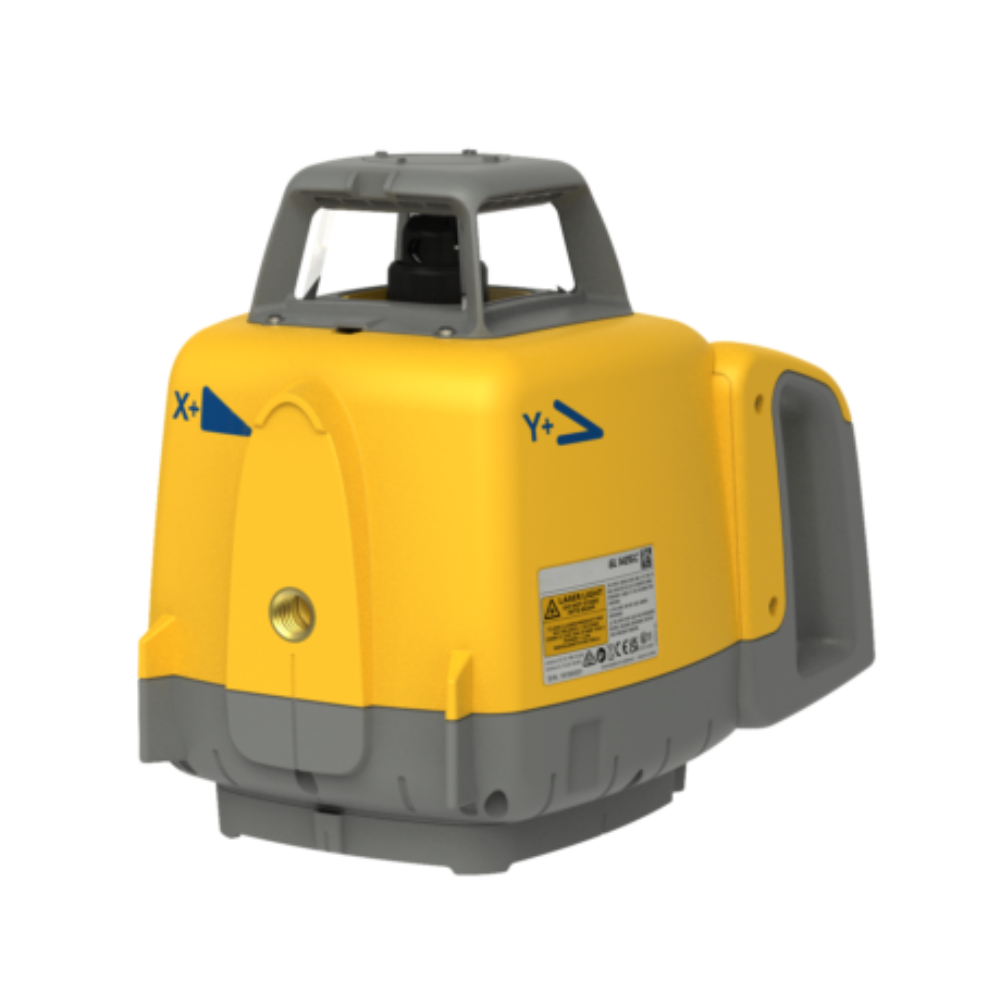
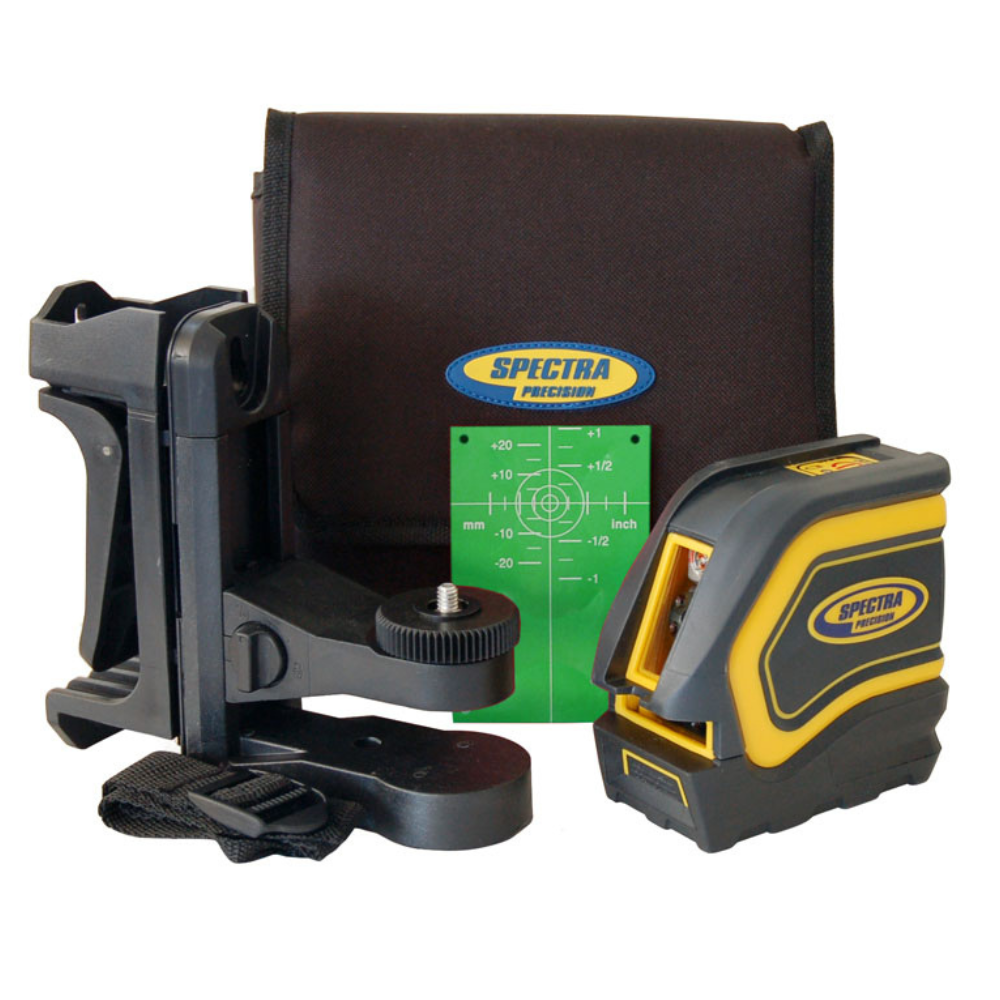
The collection includes rotary lasers, grade lasers, pipe lasers, point and line lasers, laser receivers and supporting equipment from Spectra Precision, Topcon, Nestle and Giant Precision Instruments.

23 products
23 products
Sort by:
- Featured
- Most relevant
- Best selling
- Alphabetically, A-Z
- Alphabetically, Z-A
- Price, low to high
- Price, high to low
- Date, old to new
- Date, new to old
Choosing the Right Laser Level
Laser levels create a consistent reference across a work area, helping you check heights, establish lines and transfer levels without taking repeated manual measurements.
A contractor setting foundations across an open site will need a different setup from someone installing partitions inside a building.
Outdoor work usually calls for a rotary laser with a suitable receiver, while internal layout often benefits from a clearly visible point, line or cross-line laser.
Before choosing a model, consider the working range, required accuracy and the conditions in which it will be used.
It is also worth checking whether you need horizontal levelling only or additional functions such as vertical operation, plumb alignment or grade control.
Internal vs External Laser Levels
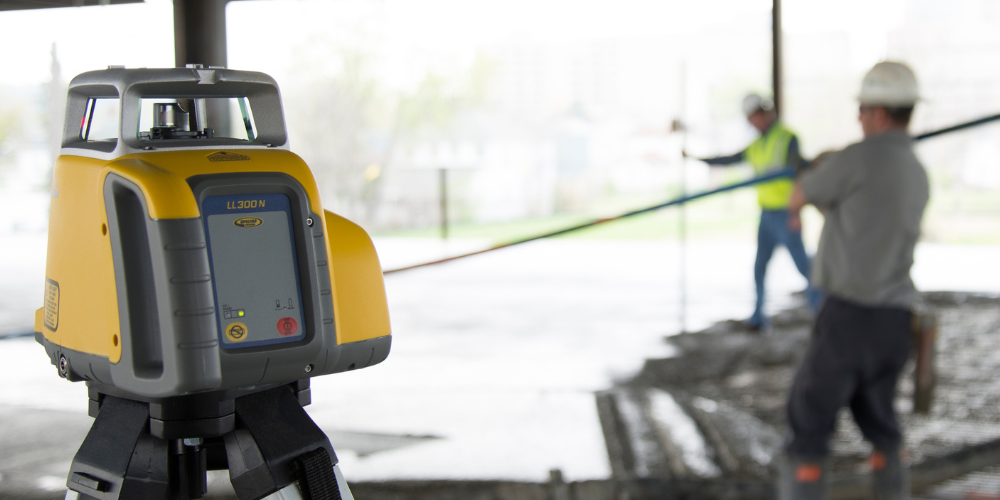
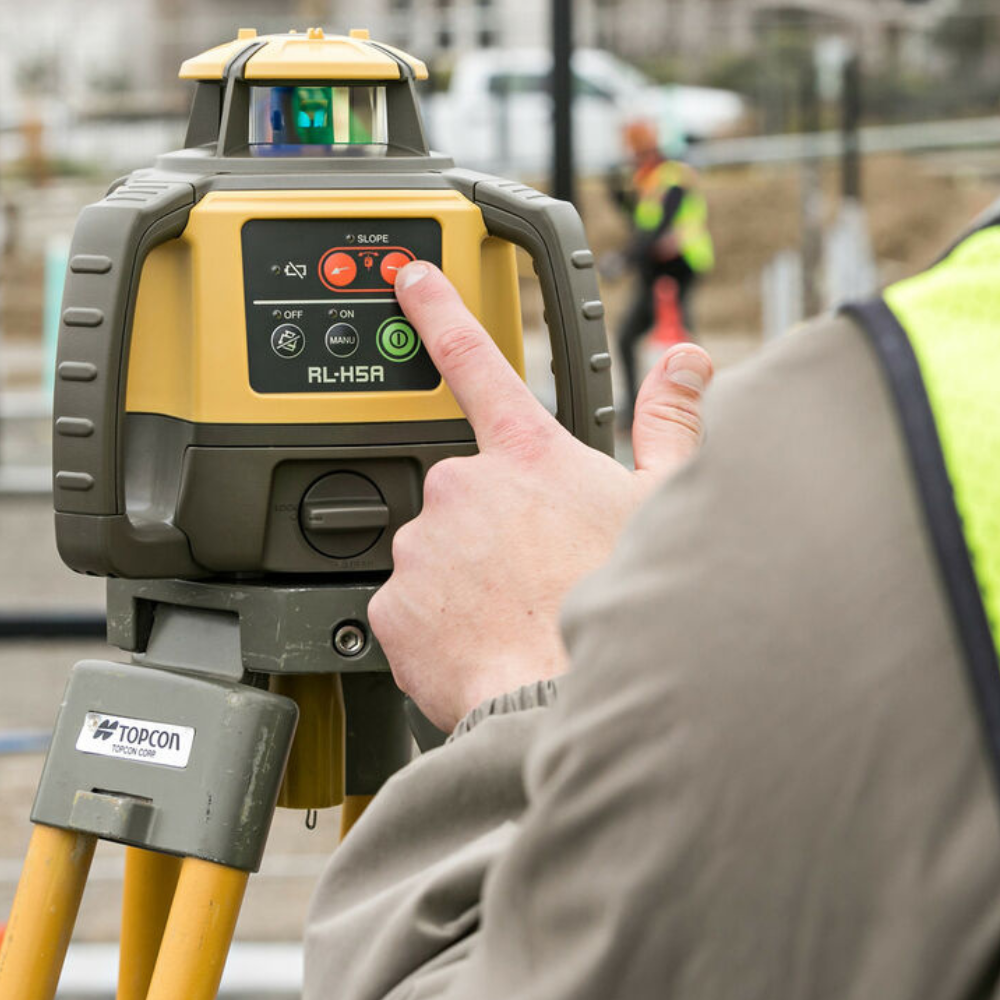
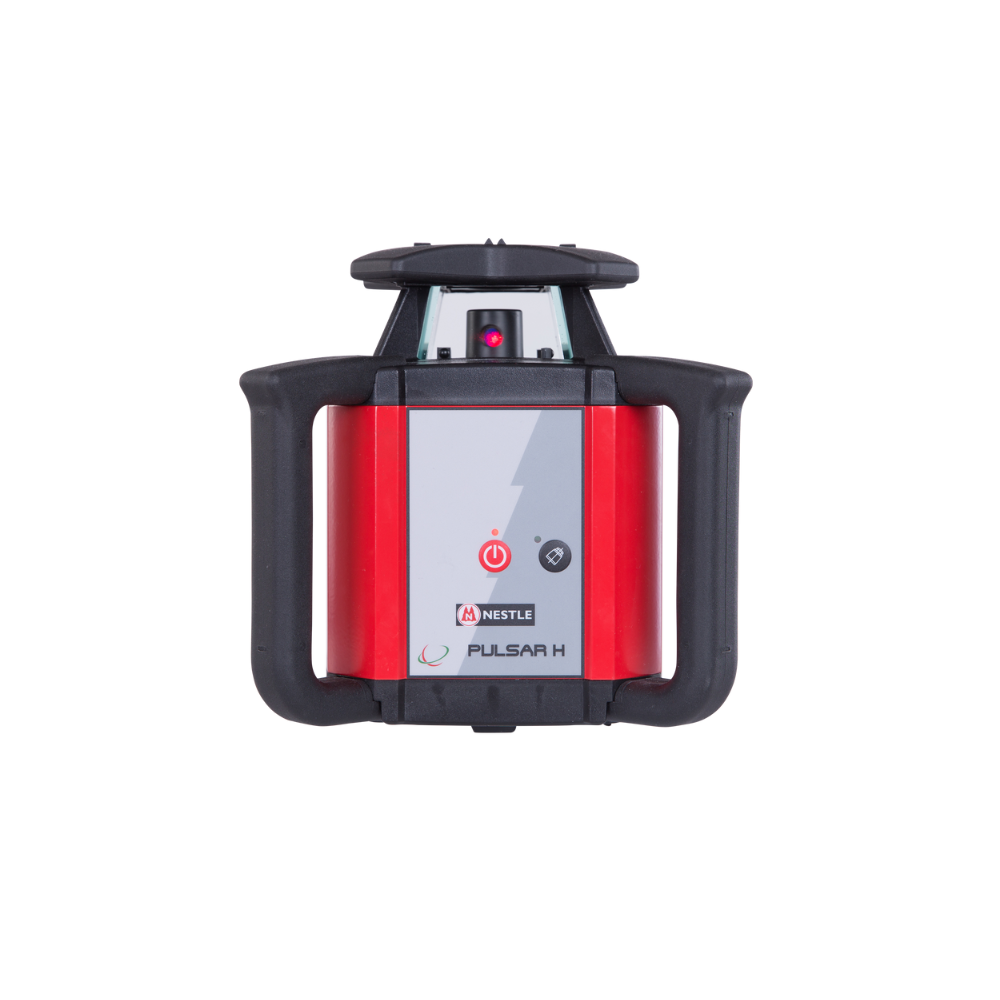
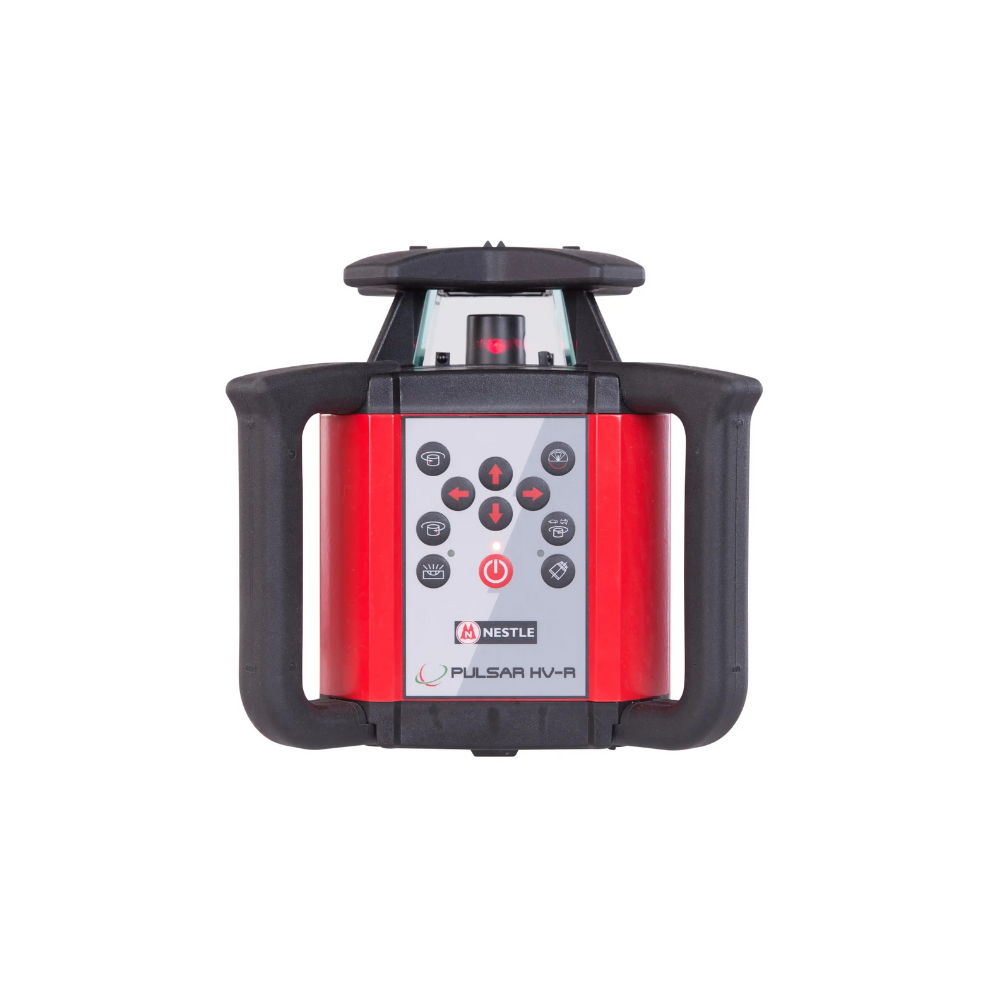
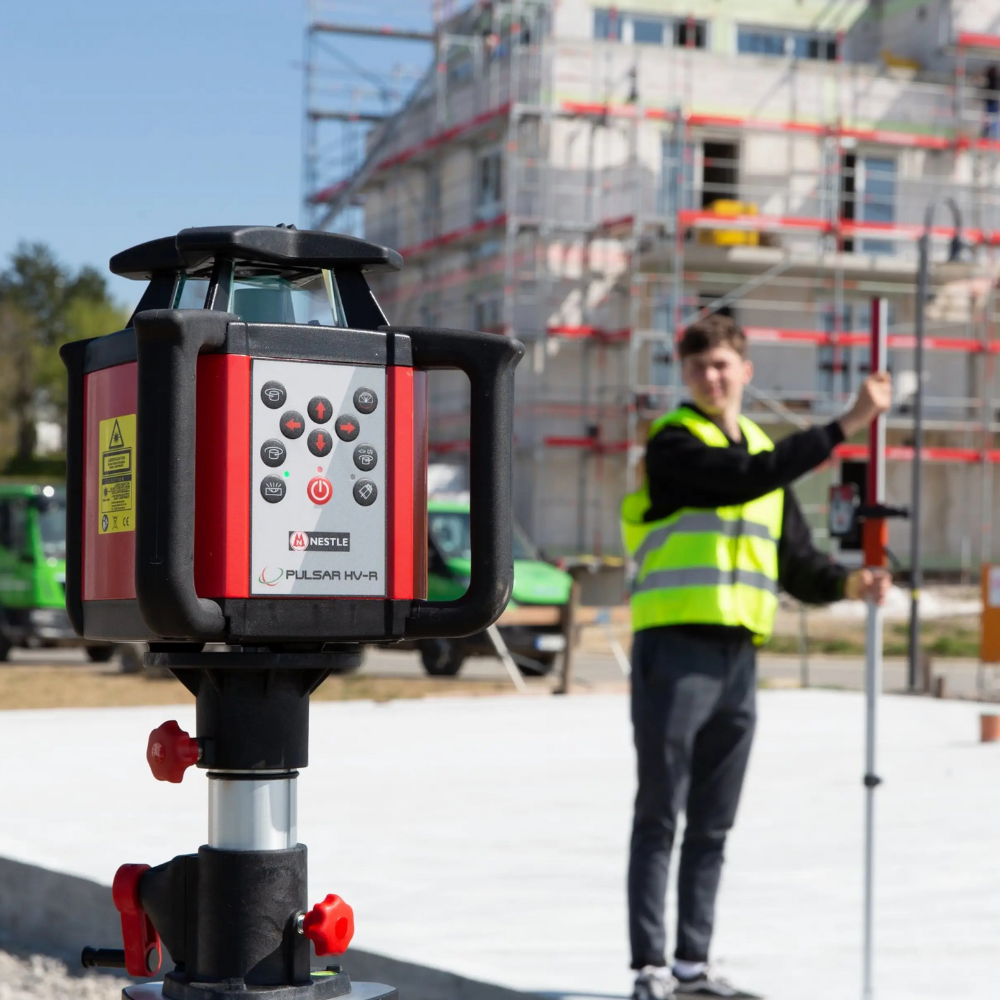
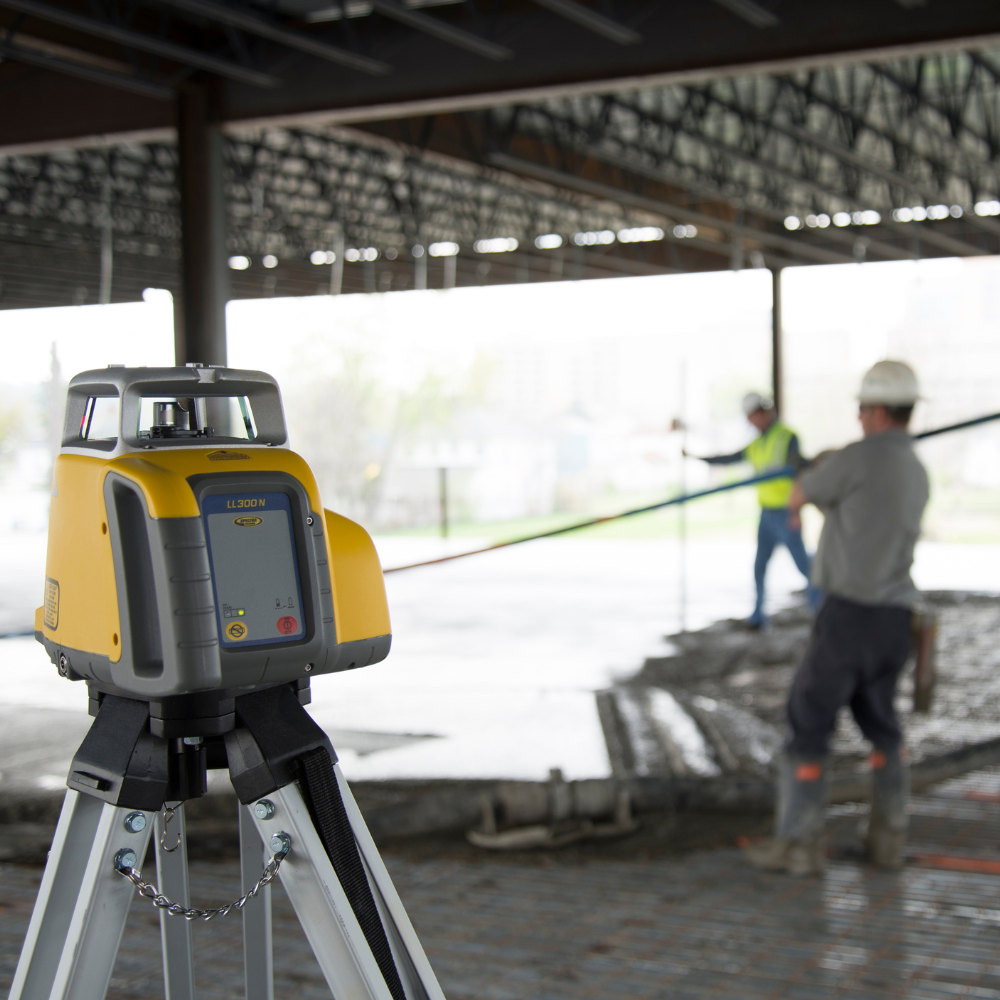
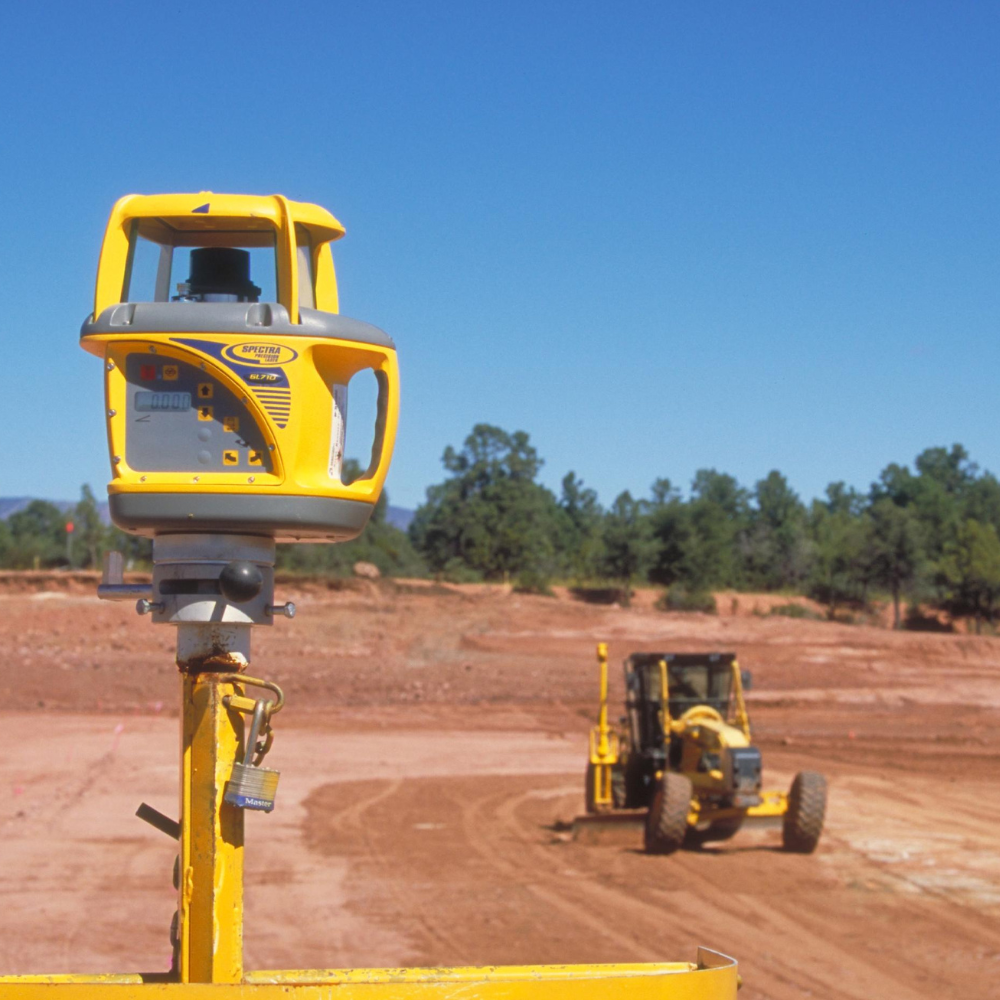
External laser levels are commonly used for groundworks, concrete pours, foundation levels, excavation and general site preparation.
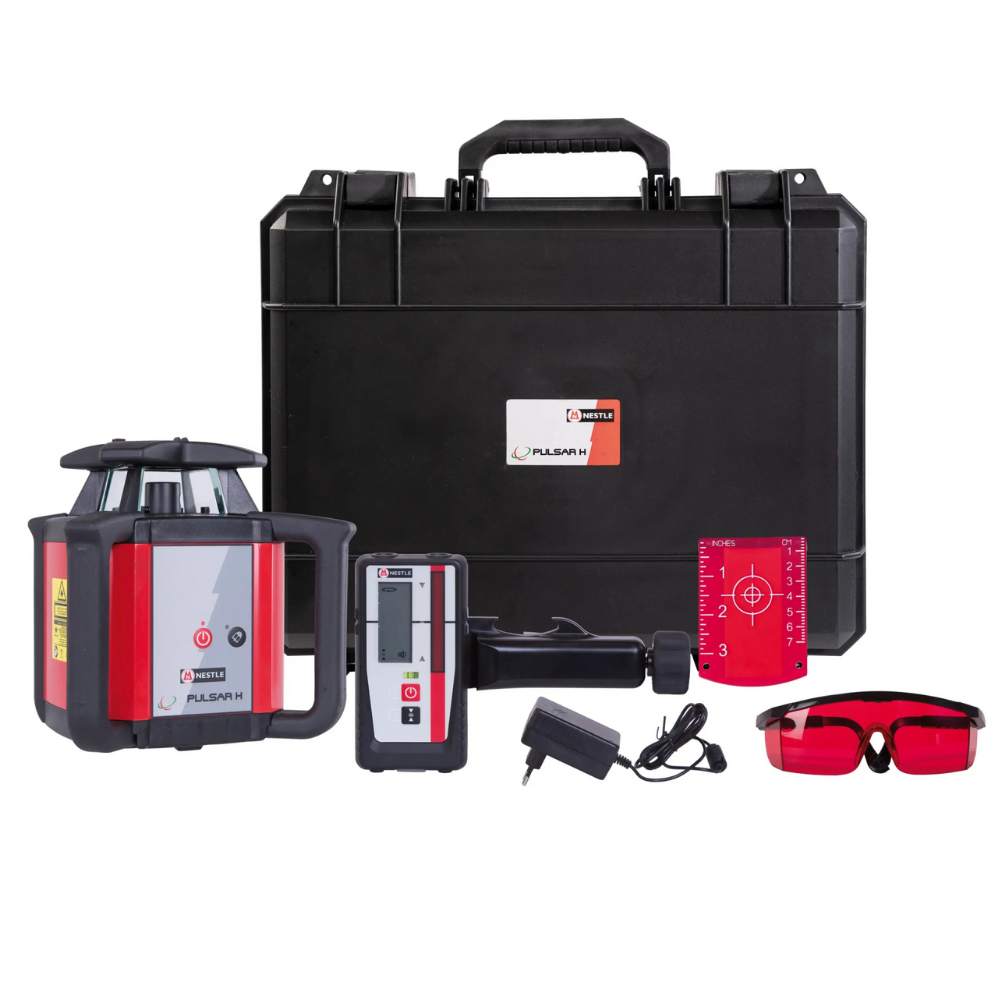
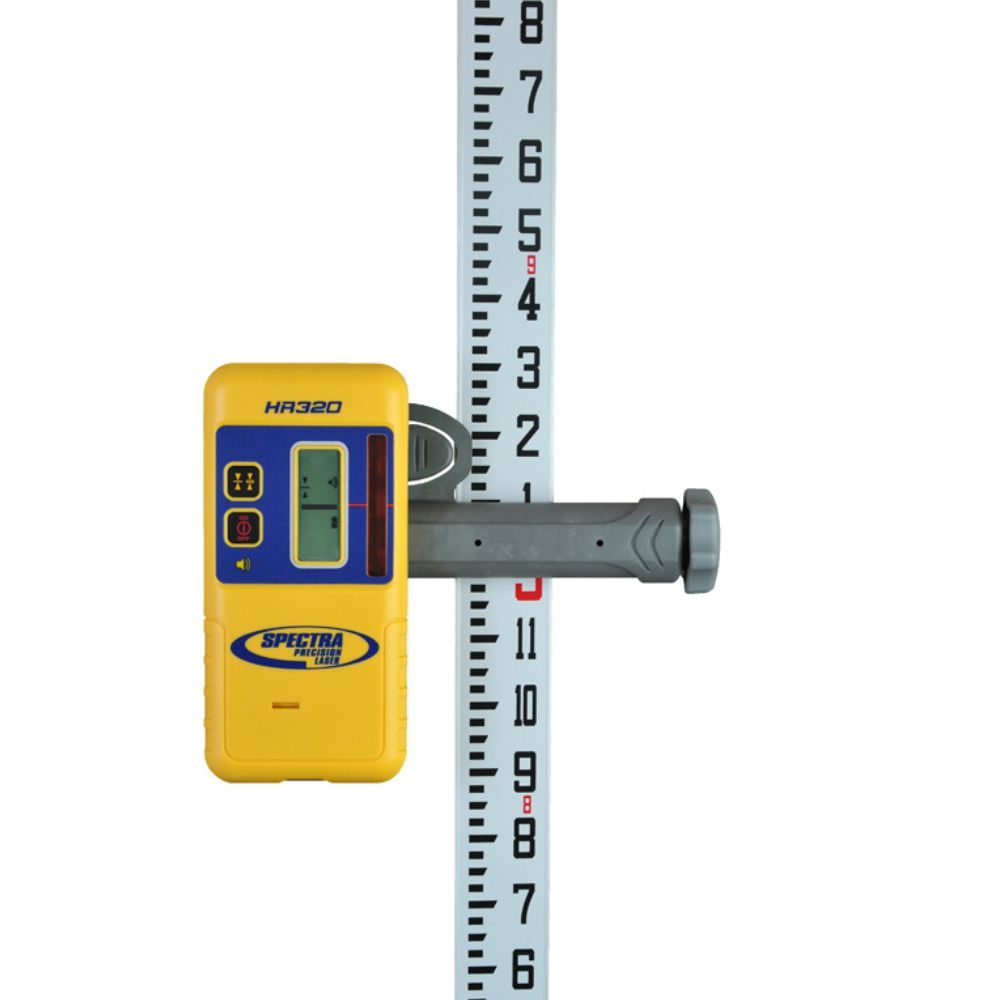
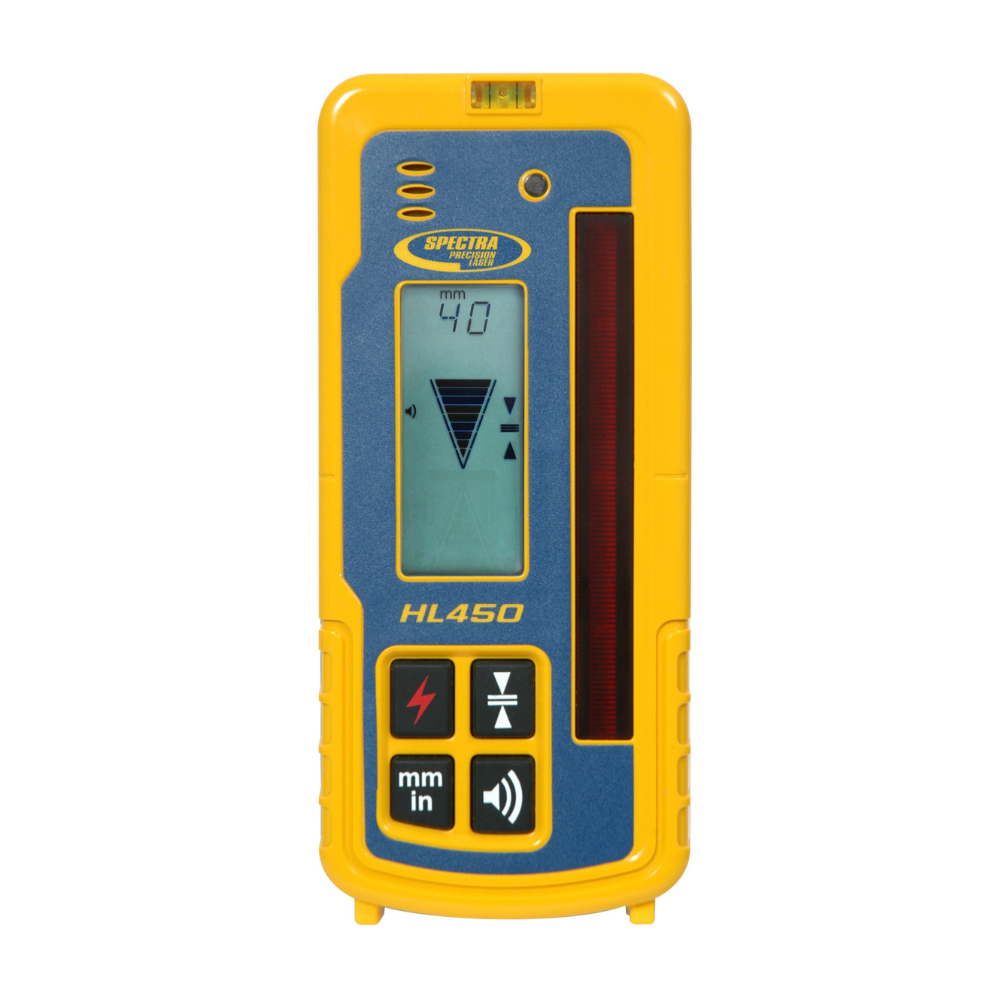
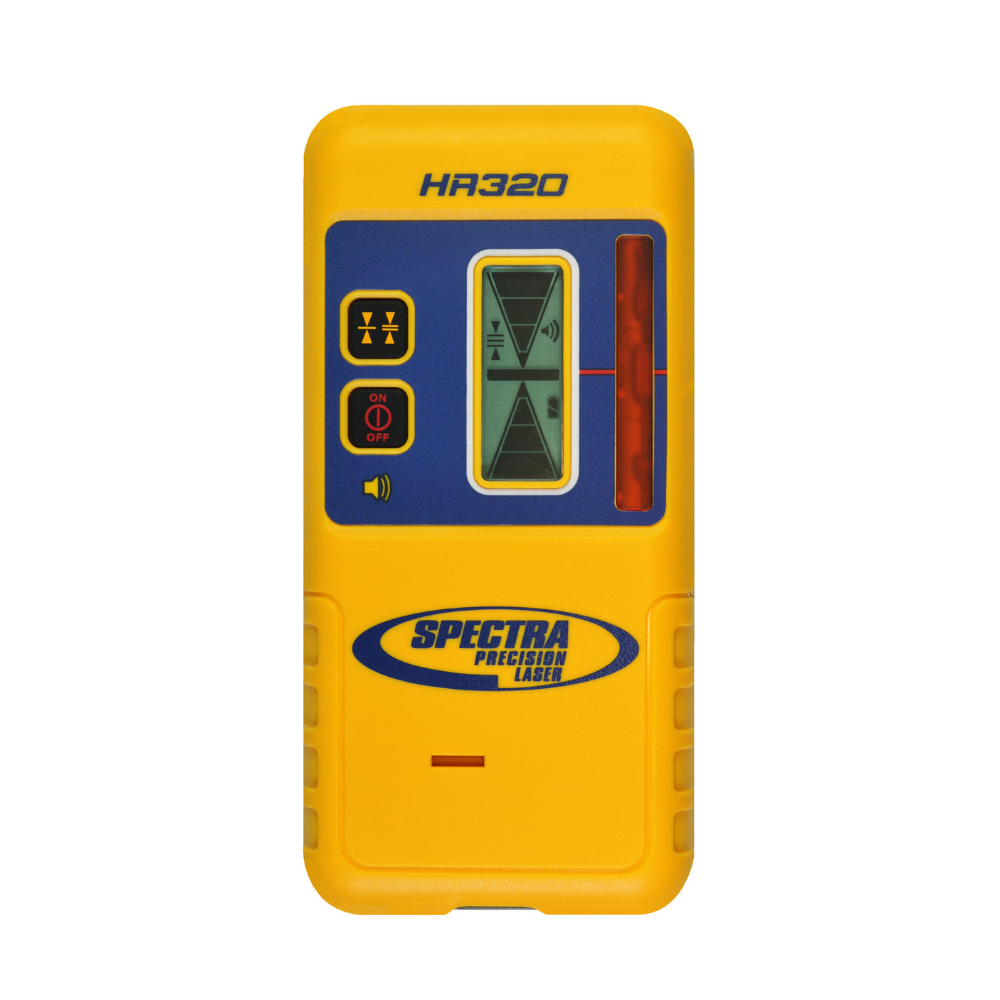
A rotating laser projects a level plane across the work area, while a laser receiver detects the beam on a staff or machine, even when bright daylight makes it difficult to see.
Working range is usually stated as a diameter when a receiver is used. This matters on larger sites, where the instrument may need to cover several hundred metres from a single setup.
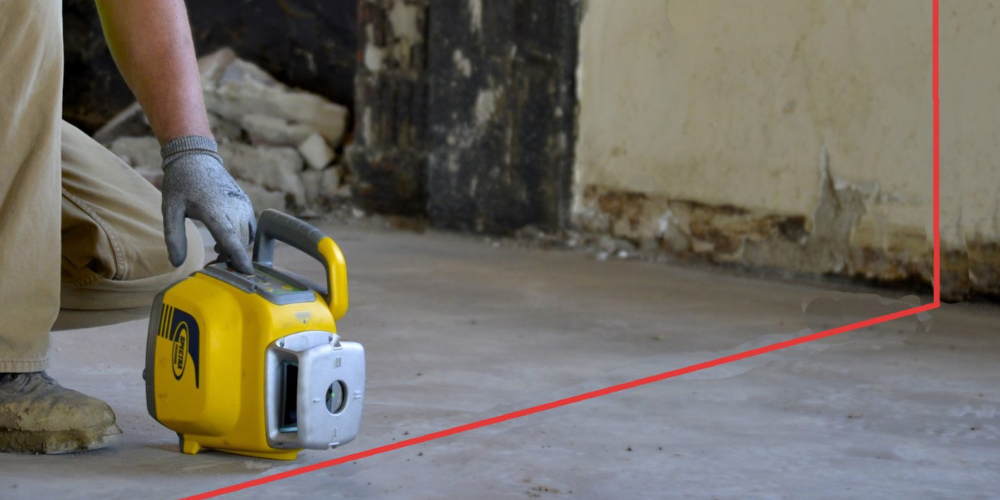
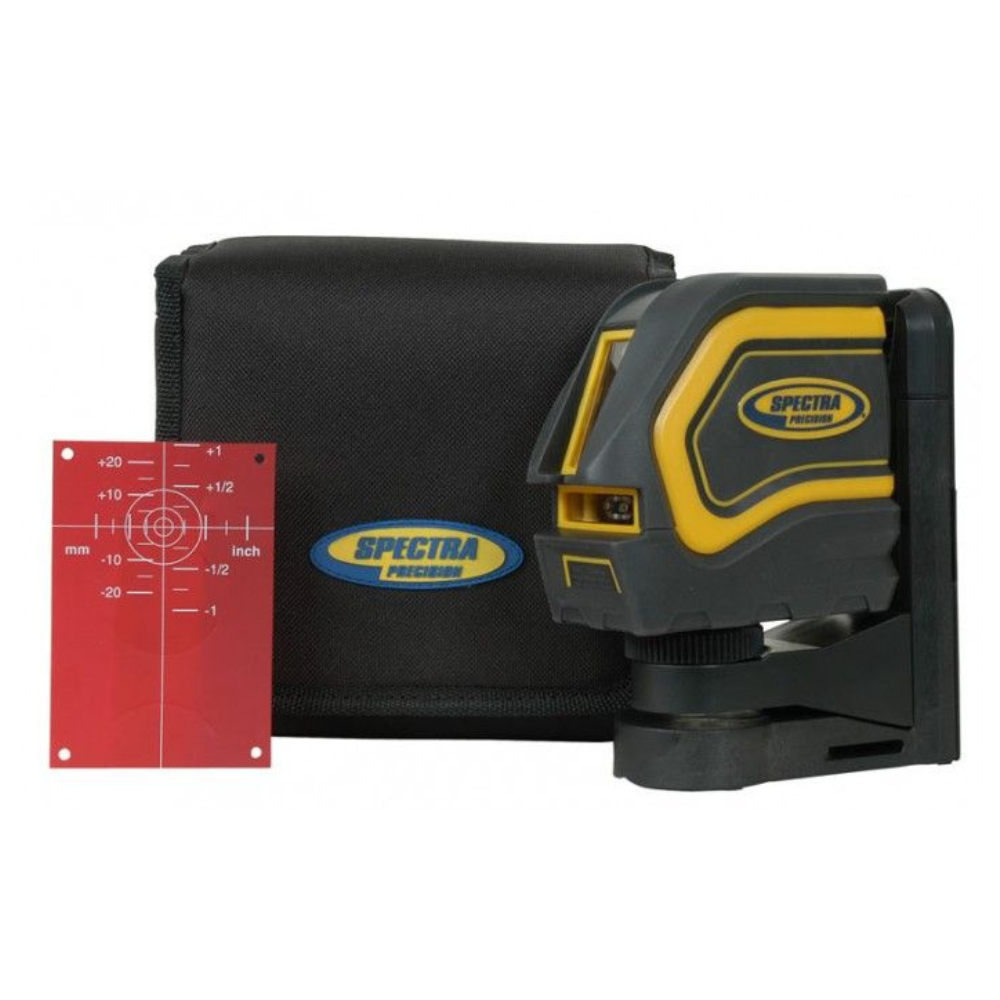
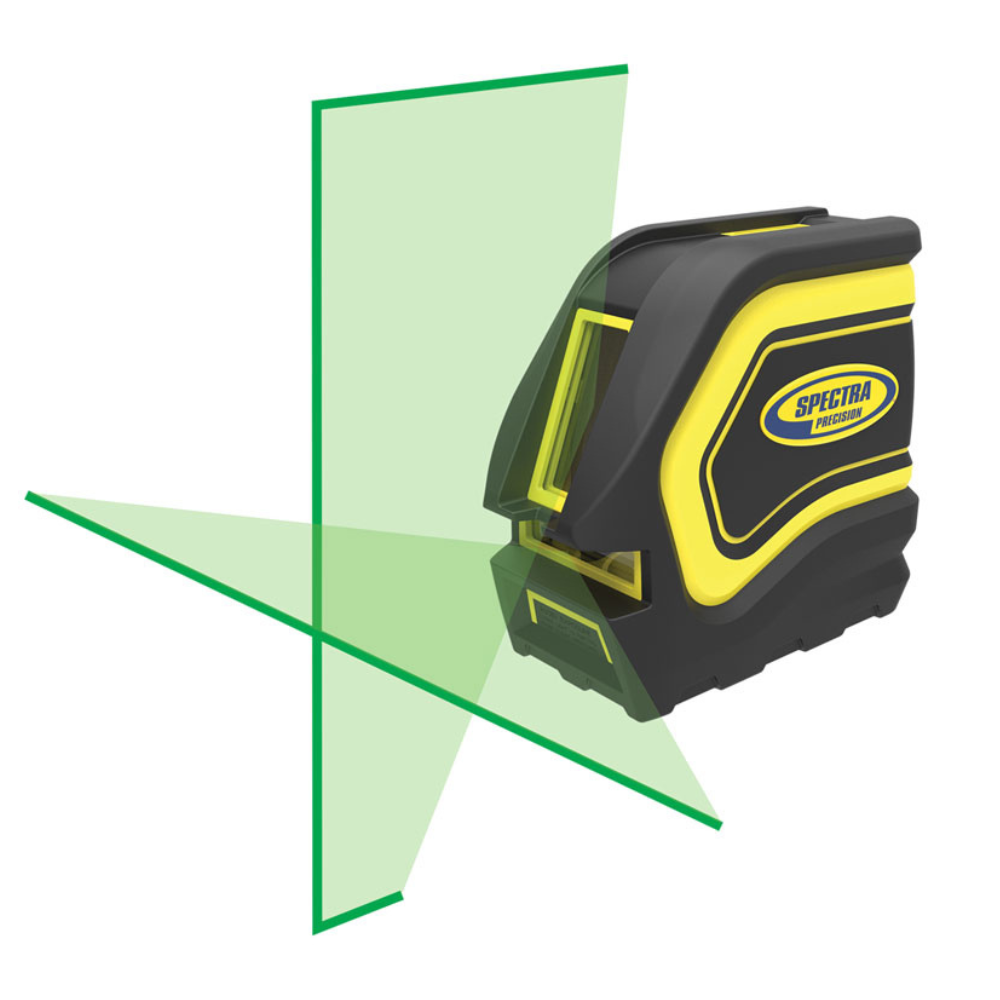
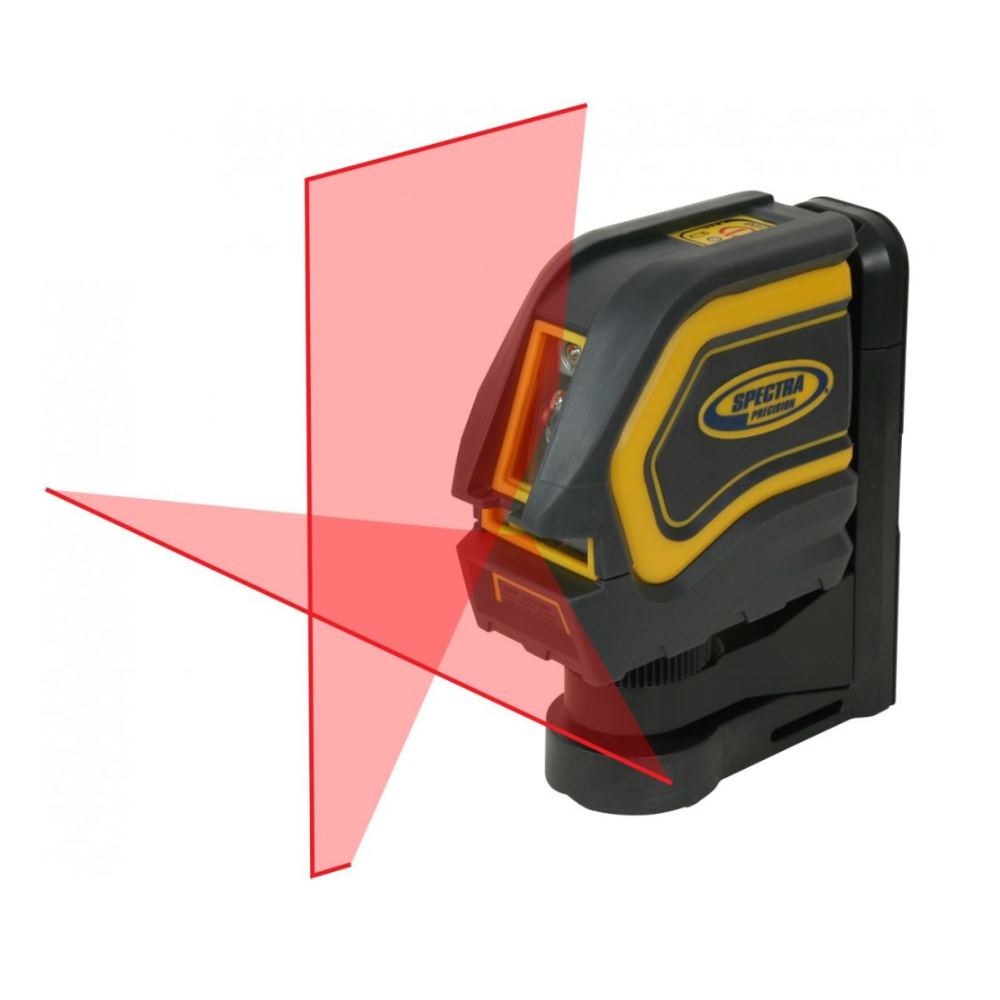
Internal laser levels provide visible reference lines for shorter-range tasks such as setting out walls, fitting ceilings, aligning services and positioning fixtures.
Green beams can appear brighter than red beams under many indoor conditions, although beam colour is only one factor to compare. Accuracy, range, mounting options and line configuration all affect how useful the instrument will be for a particular job.
Grade Lasers, Pipe Lasers and Receivers
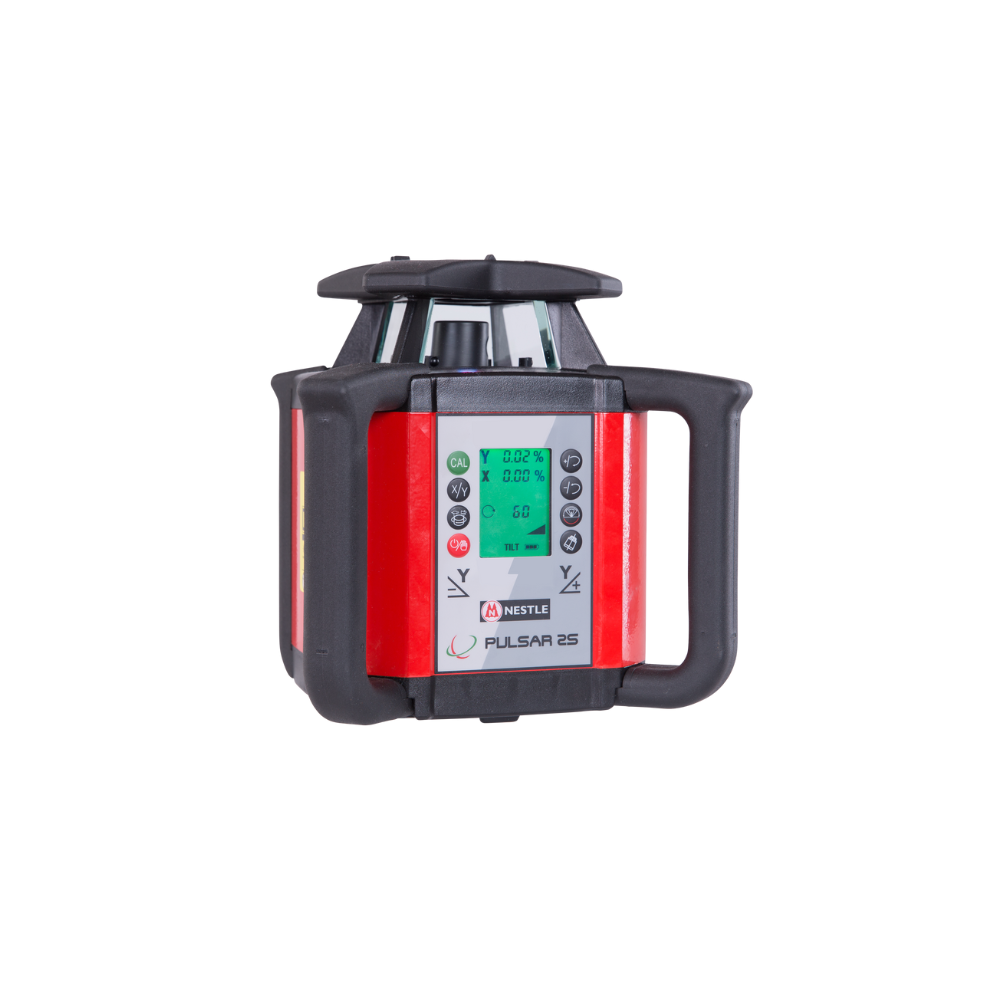
Grade laser levels allow you to create a defined slope rather than a completely level plane. Single-grade models control the gradient on one axis, while dual-grade lasers can set independent slopes across two axes.
This makes them useful for drainage, road construction, landscaping, sports pitches, ramps and other work where water flow or surface fall needs to follow a specified design.
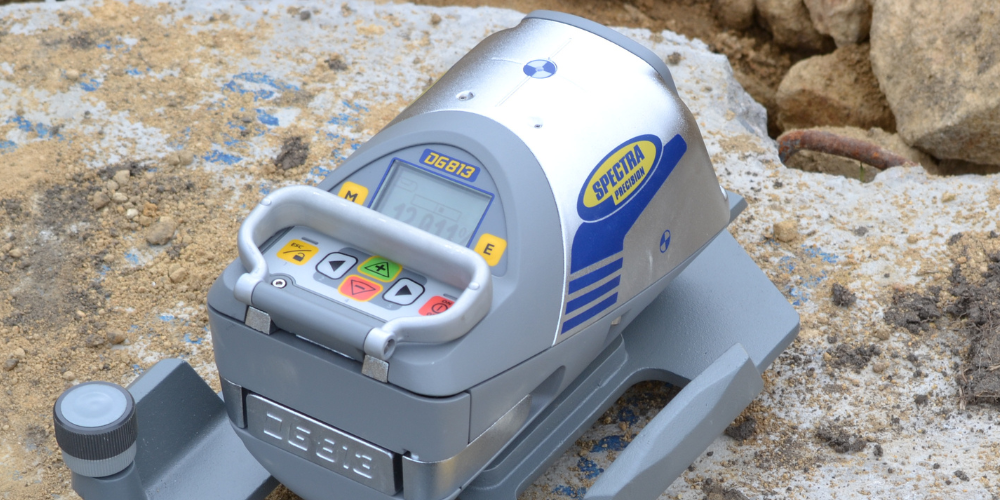
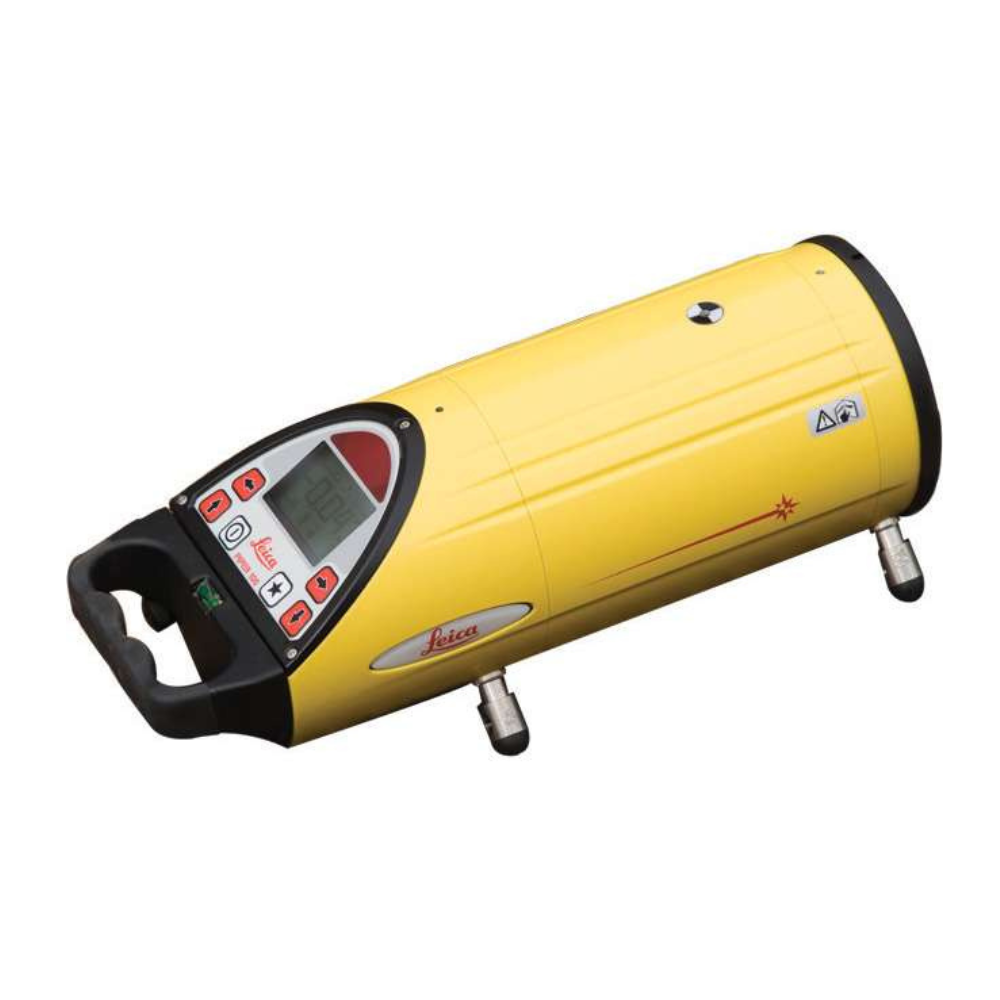
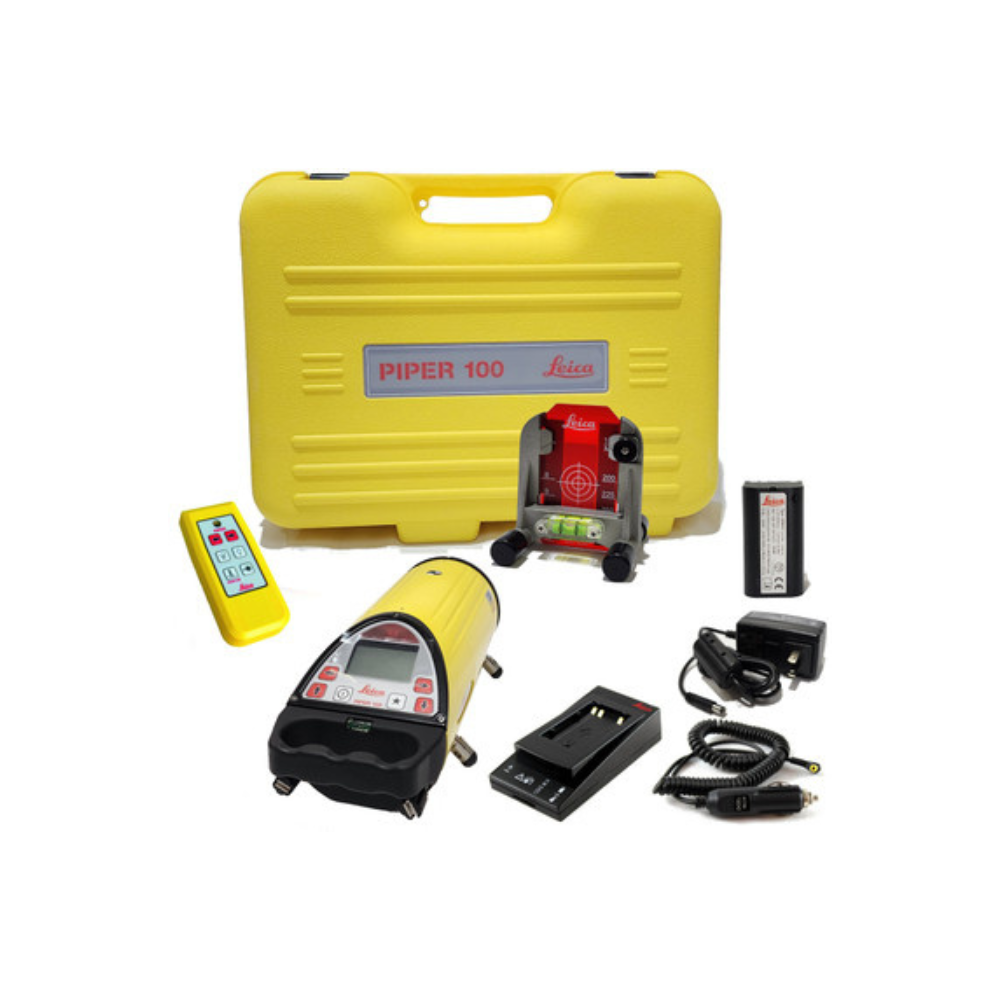
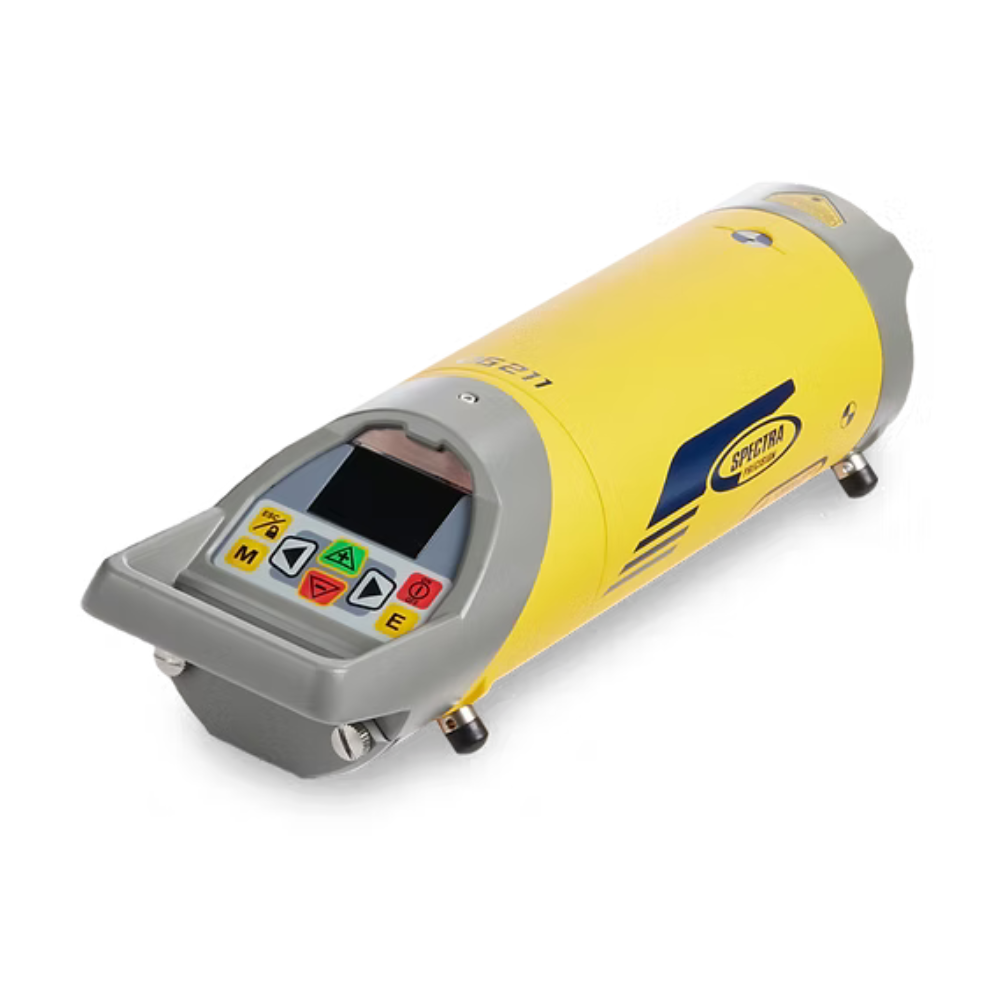
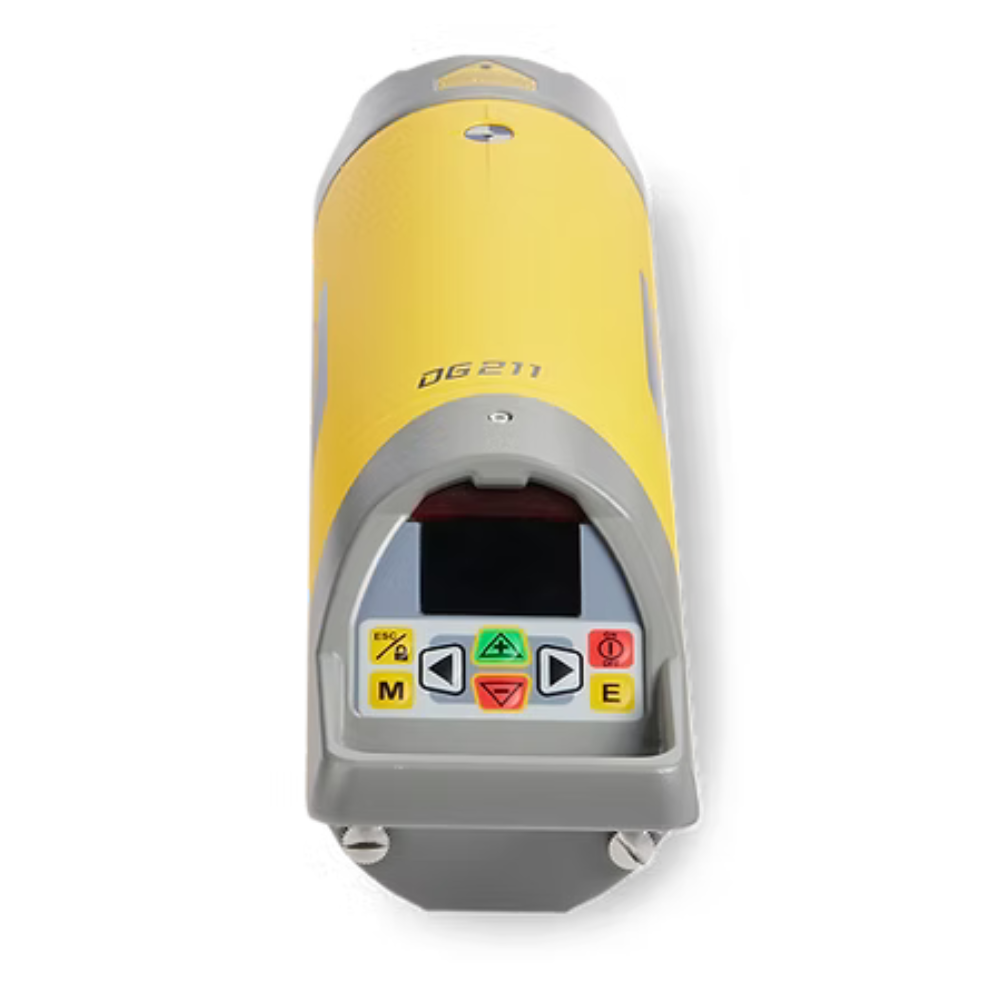
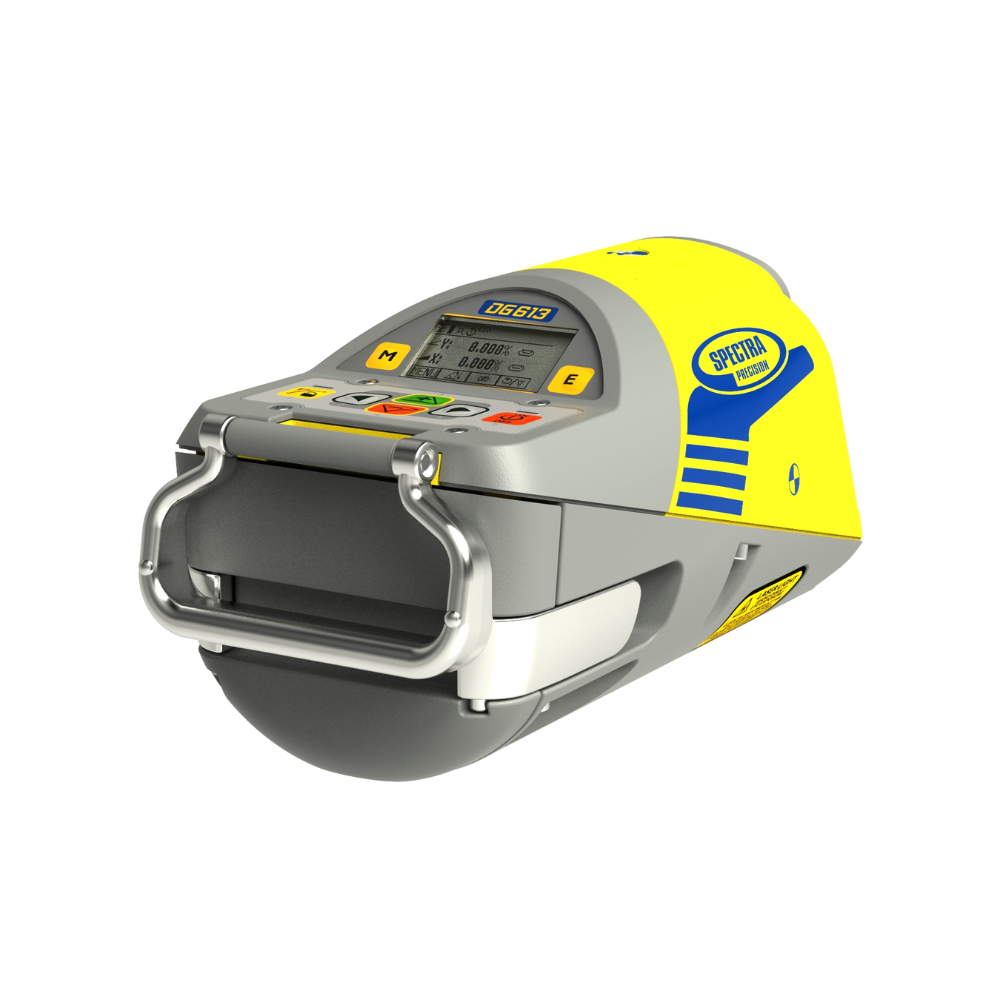
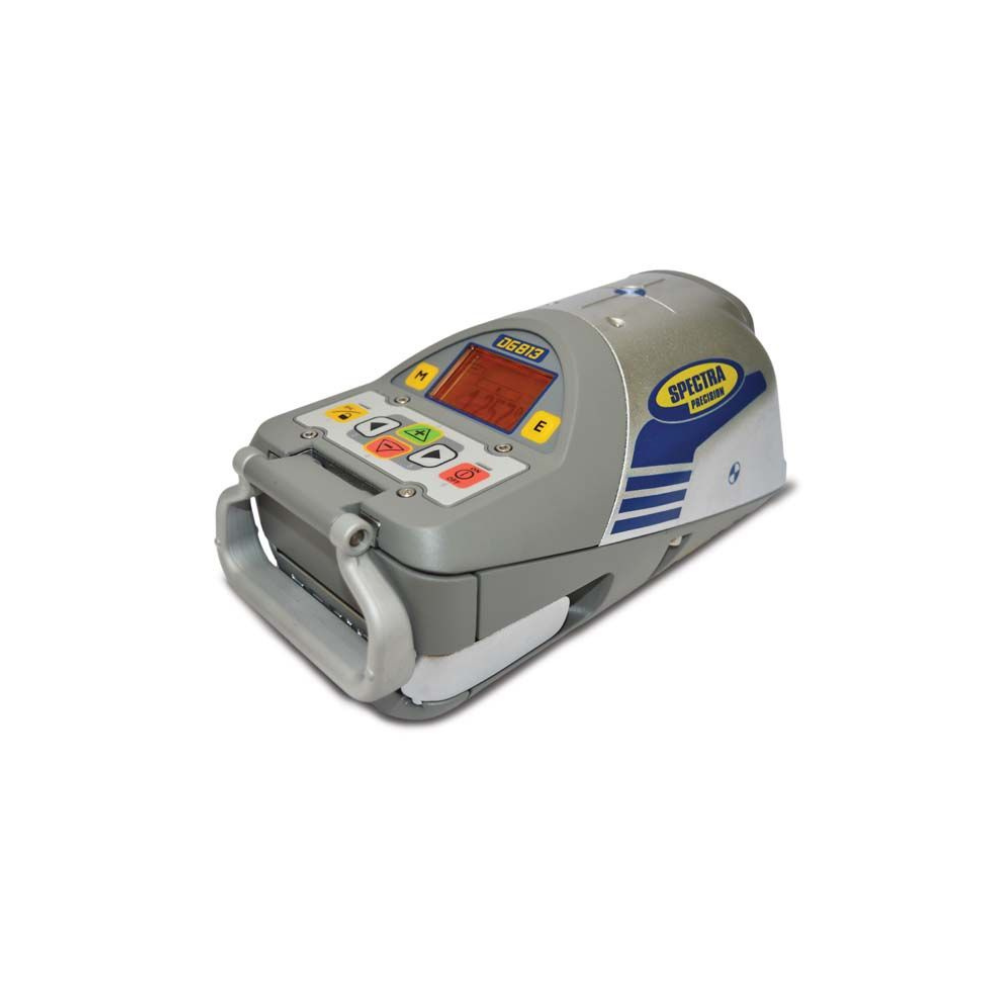
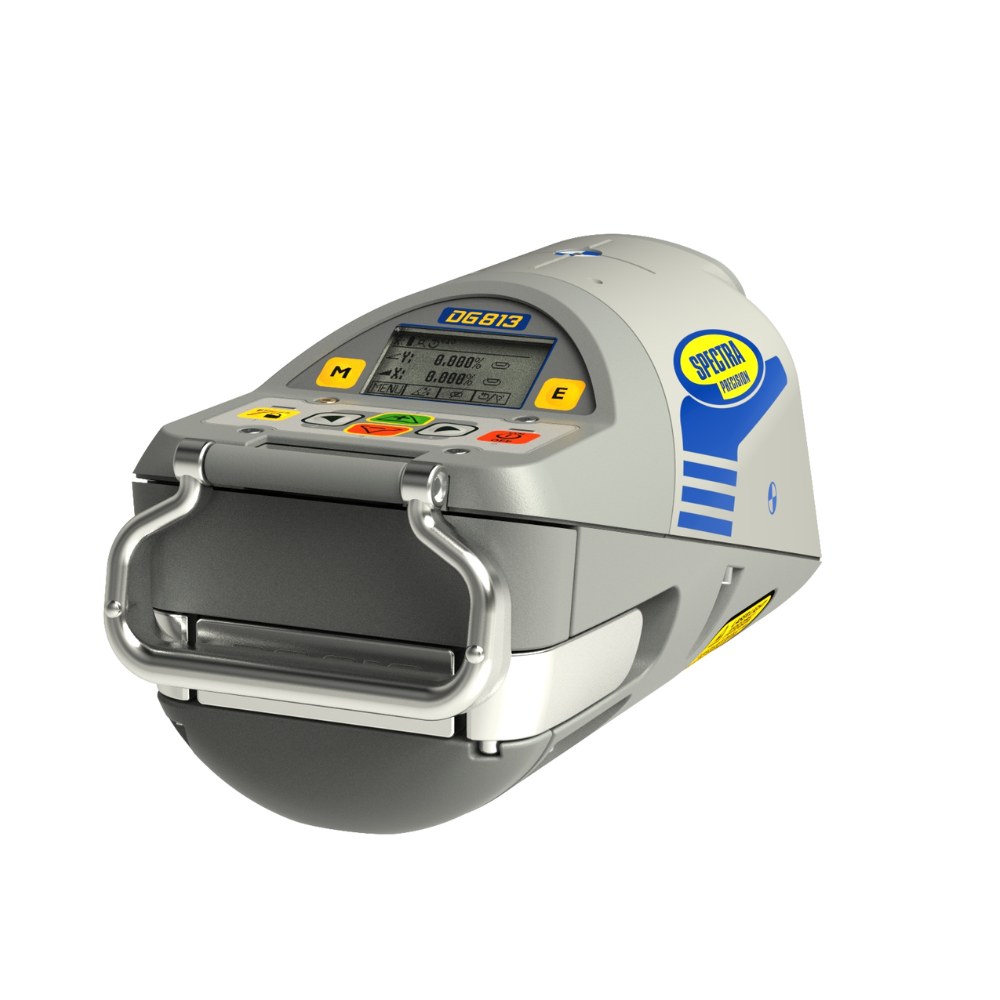
Pipe lasers provide a reference inside drainage and utility runs, helping installers control both alignment and gradient through the pipe. Their compact housing allows them to work in confined spaces where a standard rotary laser would not be suitable.
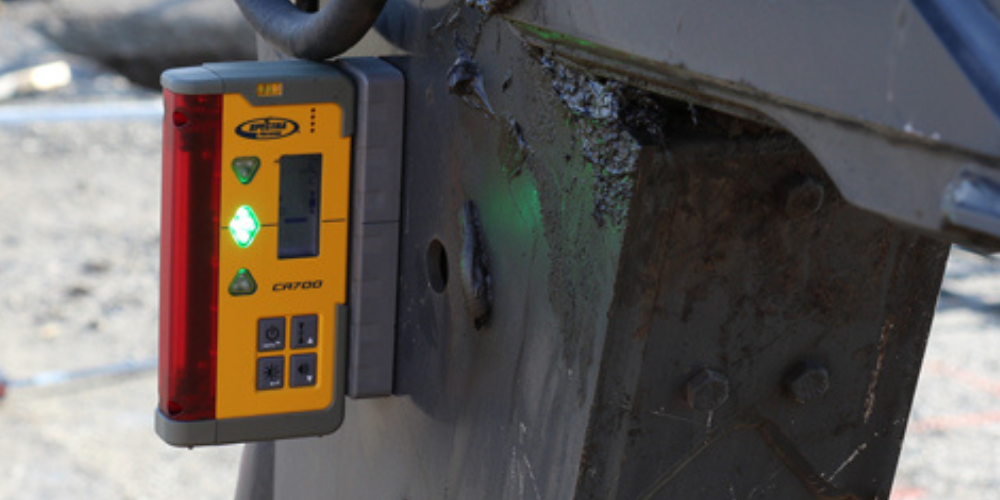
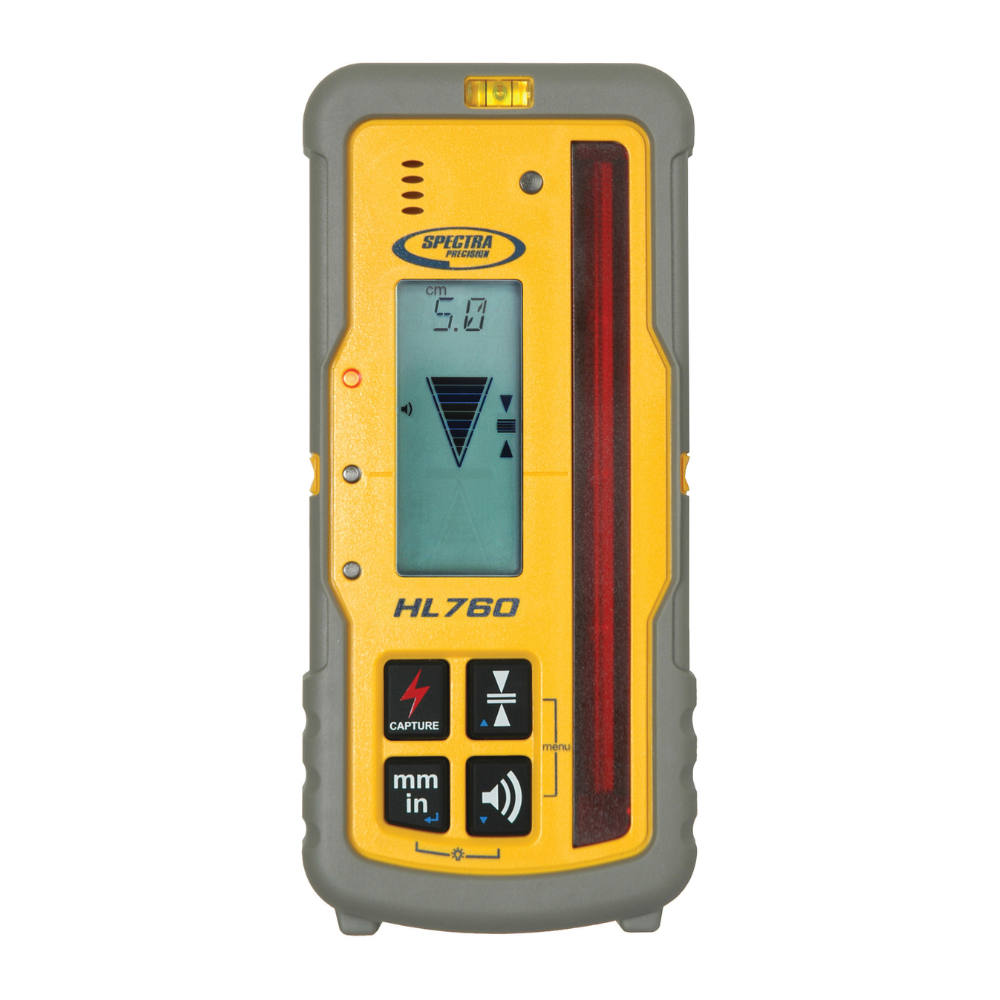
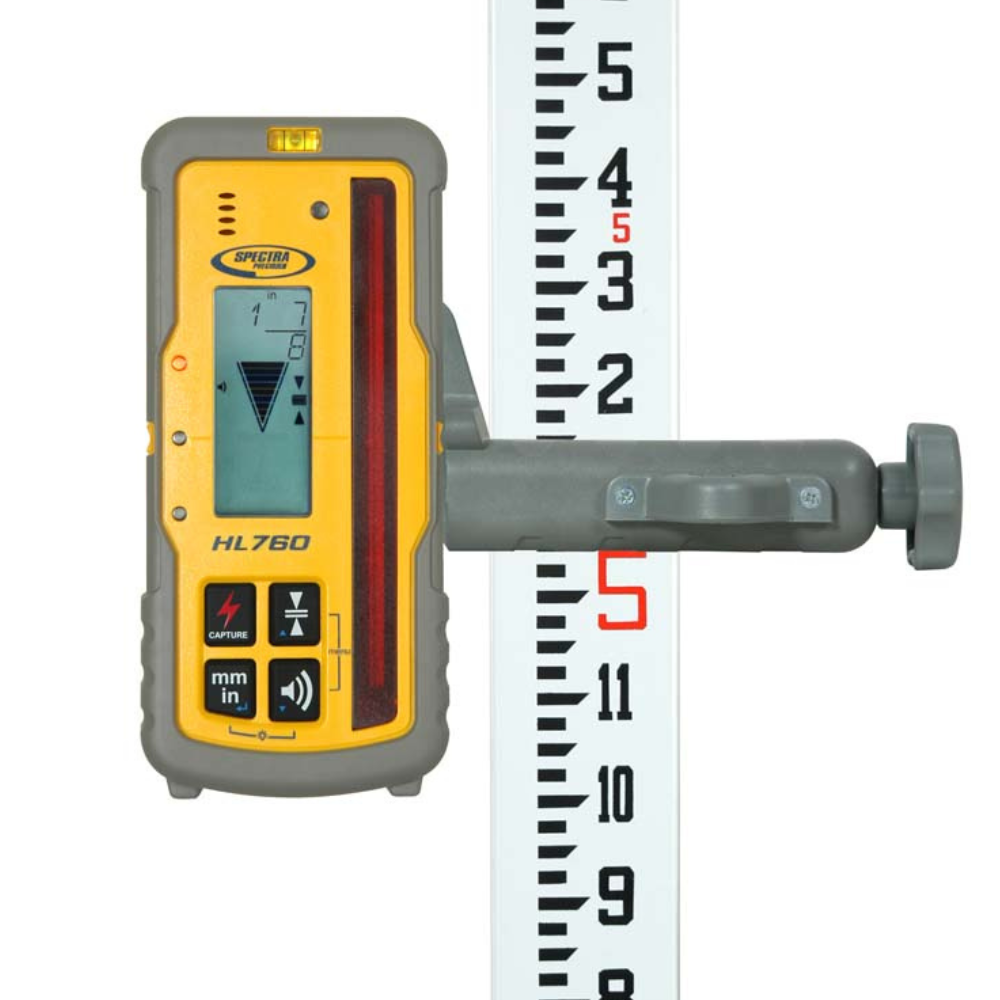
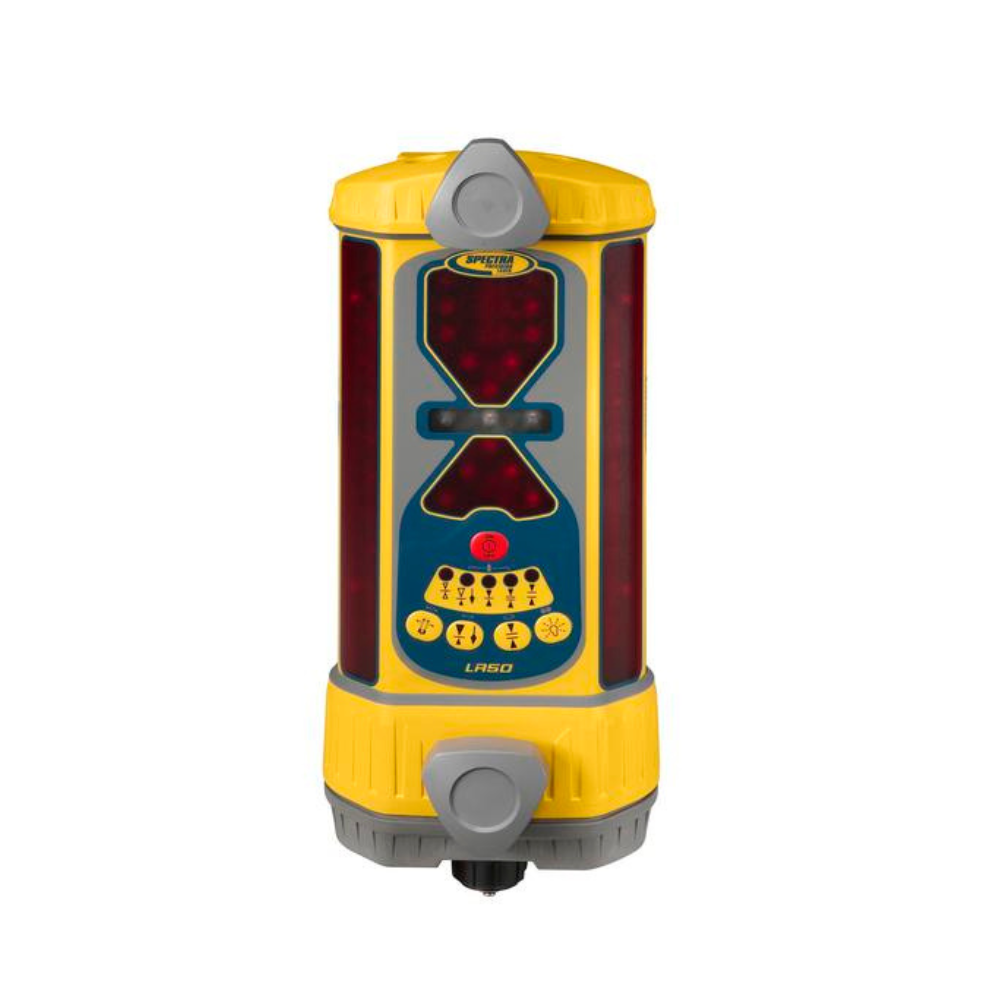
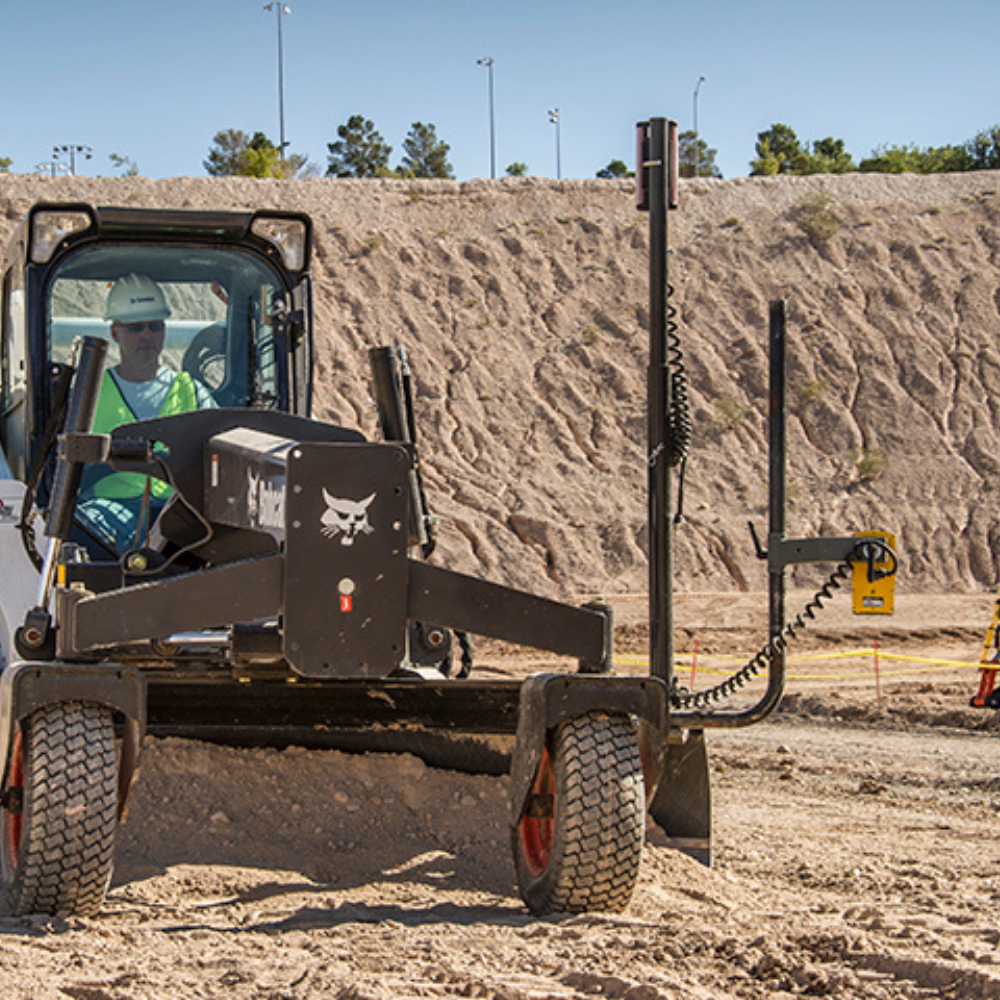
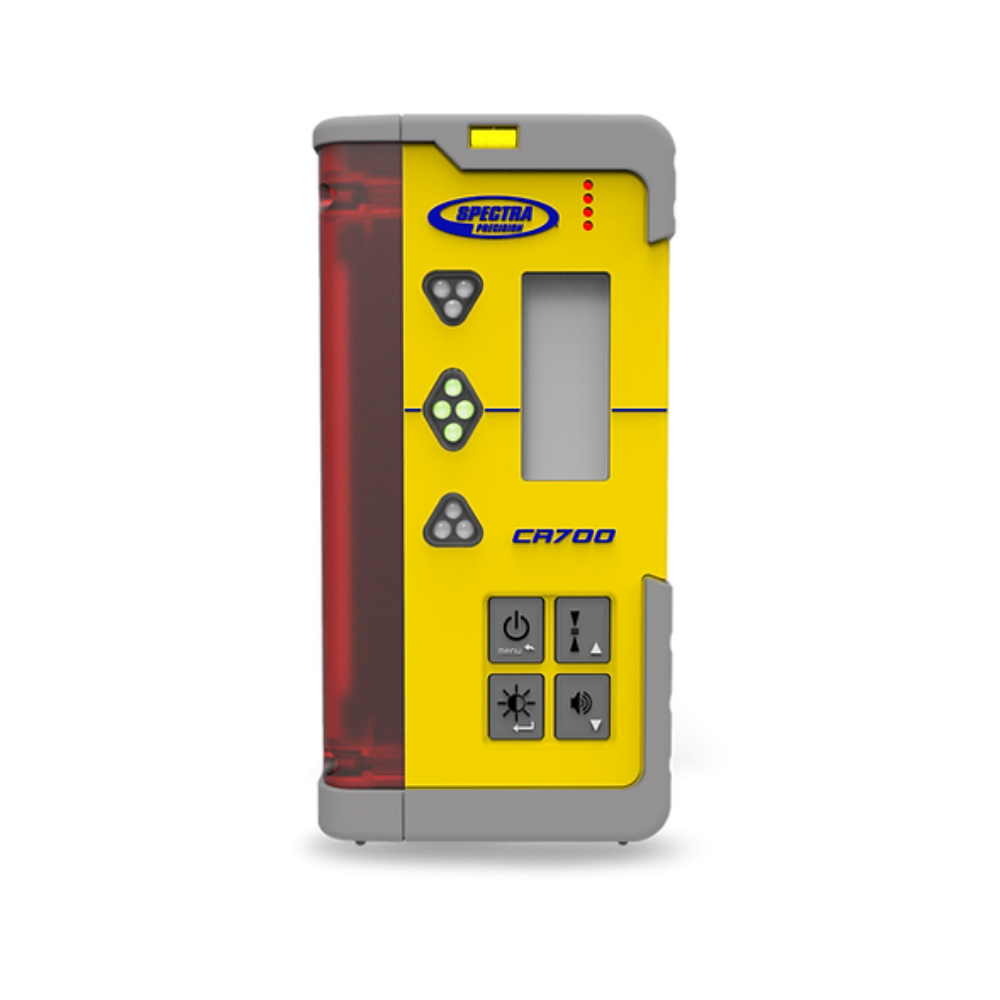
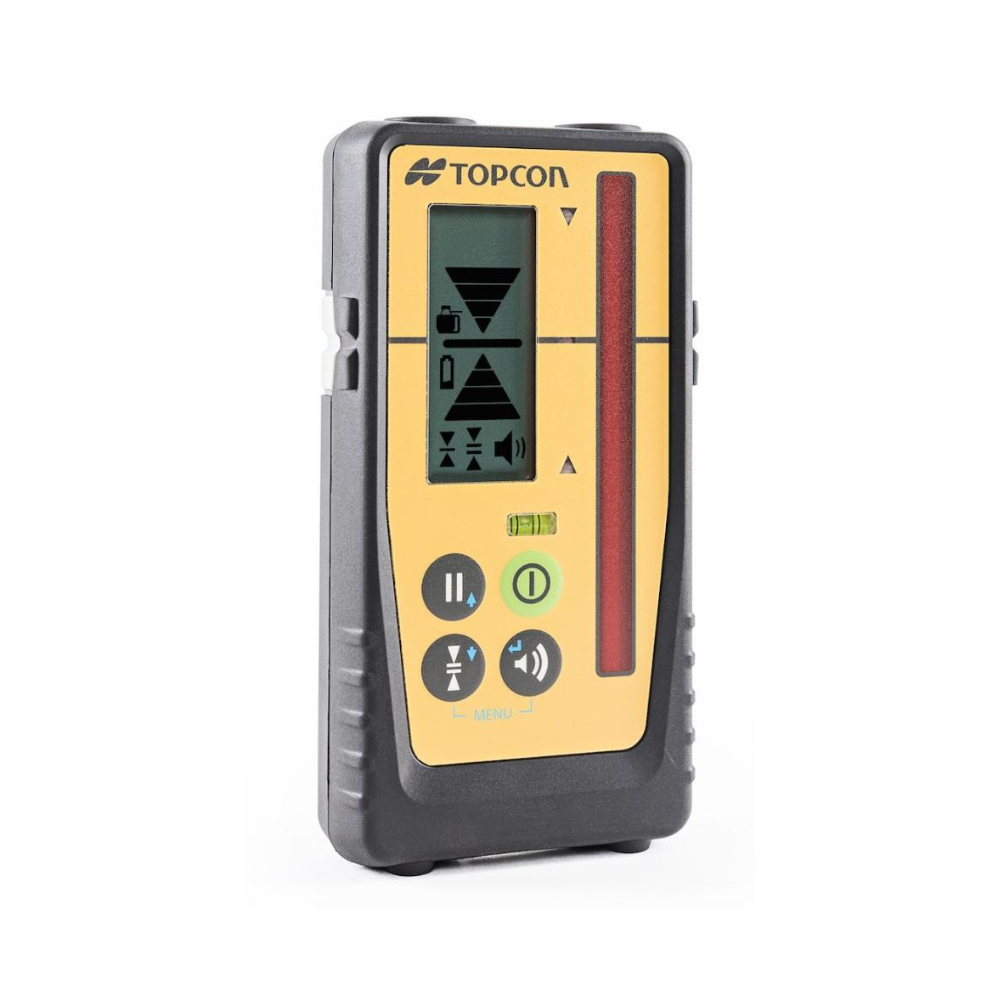
Laser receivers extend the practical use of rotating lasers outdoors. Some mount to a staff for manual level checks, while machine receivers can provide direct grade information to operators working with excavators, backhoes or other plant.
Technical Features to Compare
Accuracy is often stated as a tolerance over a set distance, such as millimetres at 10 or 30 metres. A smaller tolerance means less deviation across the working area.
You should also compare the self-levelling range, operating diameter, rotation speed and ingress protection rating. An IP rating indicates how well the housing resists dust and water, which can make a real difference on exposed construction sites.
Other useful features include rechargeable batteries, remote controls, grade matching, automatic axis alignment and compatibility with machine control equipment. Some models also include height-of-instrument alerts, which stop the laser if it is disturbed and help prevent work continuing from an incorrect reference.
Browse the range above to compare laser levels and related equipment. If you are unsure which model suits your work, our team can help you assess the required range, accuracy, functions and accessories before you make a decision.